
Plants
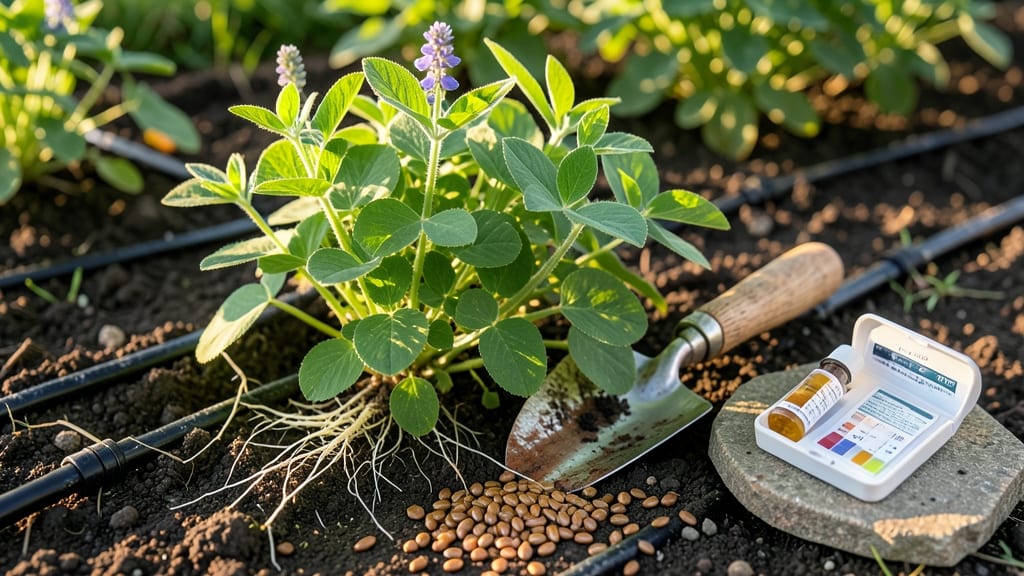
Planting alfalfa in Texas at the wrong time can turn your drought-resistant dreams into a costly lesson—especially when summer heat turns soil into concrete before seeds even sprout. The key to thriving 🌱 fields lies in understanding Texas’ two golden windows: fall’s cooler embrace and spring’s early wake-up call.
If you’ve ever watched alfalfa struggle through a Texas summer, you know timing matters more than seed quality. I’ve seen firsthand how planting too late in spring or too early in fall can leave crops stunted—or worse, dead before they take root.
The good news? Texas’ 8a-10b zones actually give you two chances a year to get this right.
North Texas gardeners have different frost dates than their South Texas counterparts, and that shifts planting windows by weeks. We’ll break down exactly when to drop those seeds—whether you’re in Lubbock’s high plains or Houston’s humid heat—to maximize survival and yield. No more guessing games, just data-driven planting.
Ready to turn your alfalfa dreams into reality? Let’s dive into the spring vs. fall showdown and why soil temperature is the real game-changer for Texas farmers. Your fields will thank you.
Optimal planting windows for alfalfa in Texas: spring vs fall breakdown
Texas gardeners and livestock farmers know alfalfa is a hardy drought-resistant forage crop that thrives in the Lone Star State—but timing your planting makes all the difference.
The two best windows are fall (September-November) and early spring (February-March), but regional climate variations mean your exact schedule should differ based on whether you're in North, Central, or South Texas.
Let's break down the ideal planting times, soil temperature requirements, and how to beat Texas' unpredictable weather patterns.
Fall planting is generally preferred because cooler temperatures and consistent rainfall give alfalfa seeds the best chance to germinate before winter dormancy. However, spring planting can work in frost-free areas like South Texas, where winters are milder.
The key is avoiding extreme heat or drought—both can kill young seedlings before they establish strong roots. For example, planting in August or late spring often leads to poor germination due to soil temperatures exceeding 85°F.
Here’s how Texas’ three main regions differ in their ideal planting windows:
| Region | Best Fall Window | Best Spring Window | Soil Temp Requirement | Drought Risk |
|---|---|---|---|---|
| North Texas (USDA 8a) | September 15 - October 31 | February 15 - March 15 | 50-75°F | High (April-June) |
| Central Texas (USDA 8b) | September 1 - November 15 | February 1 - March 30 | 55-70°F | Moderate (May-July) |
| South Texas (USDA 9a-10b) | August 15 - October 15 | February 1 - April 15 | 60-75°F | Low (consistent rainfall) |
In North Texas, where winters can bring hard frosts, aim to plant alfalfa by late October to allow roots to establish before the first freeze. The soil temperature should be between 50-75°F for optimal germination.
If you miss fall, wait until mid-February in spring, but be prepared for potential drought stress in late spring when rainfall drops.
Central Texas offers a slightly longer window due to milder winters, but September through November remains ideal. The soil temperature here can run warmer, so focus on planting when it drops below 70°F.
Spring planting in Central Texas should wrap up by March 30 to avoid the peak of summer drought. If you're in Central Texas and experience a dry spell, consider mulching to retain moisture and reduce evaporation.
South Texas stands out as the most forgiving region for alfalfa planting, thanks to its warmer winters and more consistent rainfall. You can start as early as mid-August, but aim for September-October to avoid the hottest part of summer.
Spring planting can extend into April, giving you flexibility. However, even South Texas can face unpredictable droughts, so always monitor soil moisture and adjust your irrigation plan accordingly.
One of the biggest challenges for Texas alfalfa growers is drought conditions. Alfalfa is drought-tolerant once established, but young seedlings need consistent moisture to germinate. If you're planting during a dry spell, consider using a drip irrigation system to deliver water directly to the roots.
Another tip is to plant alfalfa after a good rainfall to give seeds the moisture they need without overwatering afterward.
Finally, don’t forget to test your soil before planting. Alfalfa prefers a slightly alkaline pH (6.5-7.5) and well-draining soil. If your soil is too acidic, amend it with lime before planting.
In regions like North Texas, where soils can be clay-heavy, adding compost or organic matter will improve drainage and water retention.
By following these regional guidelines and paying attention to soil temperature and moisture, you’ll give your alfalfa the best chance to
How to prepare Texas soil for alfalfa planting: drought-proofing your field
Alfalfa thrives in Texas’ arid climate, but its success hinges on well-prepared soil. The key to drought-proofing your field starts with soil testing and pH adjustment—both critical for nutrient uptake and water retention.
Without these steps, even the hardiest alfalfa varieties struggle under Texas’ 100°F+ summers and sporadic rainfall.
First, test your soil’s nutrient levels and water-holding capacity. Alfalfa prefers loamy soil with a pH between 6.5 and 7.5. If your soil is too alkaline or sandy, it’ll drain too quickly, leaving roots thirsty. Amendments like gypsum or composted manure can improve structure and moisture retention.
Here’s your step-by-step drought-proofing plan to ensure your alfalfa stands strong through Texas’ dry spells:
- 🔍 Test soil pH and nutrients – Use a soil test kit or lab service to check pH and organic matter. Aim for 6.5–7.5 pH and 2–4% organic matter.
- 🌱 Adjust pH if needed – Add lime to raise pH or sulfur to lower it. For alkaline soils, gypsum helps without altering pH.
- 💧 Improve water retention – Mix in 2–3 inches of compost or aged manure to boost organic matter. For sandy soils, add peat moss.
- 🌿 Plant a cover crop – Sow clover or ryegrass 4–6 weeks before alfalfa to prevent erosion and add nitrogen.
- 🔧 Install drip irrigation – Use soaker hoses or drip tape to deliver water directly to roots, reducing evaporation by 30–50%.
- 🪴 Mulch heavily – Apply 3–4 inches of straw mulch to retain moisture and suppress weeds, especially in North Texas’ windy conditions.
Don’t skip the cover crop step—it’s a game-changer for South Texas’ clay-heavy soils. Legumes like clover fix nitrogen while improving soil structure, reducing your need for synthetic fertilizers. After harvesting the cover crop, till it under just before planting alfalfa for a nutrient boost.
For irrigation, drip systems are your best bet. They deliver water slowly and efficiently, minimizing waste during Texas’ scorching afternoons. Pair this with mulching to lock in moisture, and your alfalfa will weather droughts like a pro.
Even in West Texas’ extreme heat, these steps keep roots hydrated.
Finally, monitor soil moisture with a moisture meter or by hand. Alfalfa roots need consistent moisture—never let the top 2 inches dry out. In Central Texas’ unpredictable rains, this means checking weekly and adjusting watering as needed.
With these prep steps, your alfalfa will thrive year-round, even in Texas’ toughest conditions. 🌱