
Plants
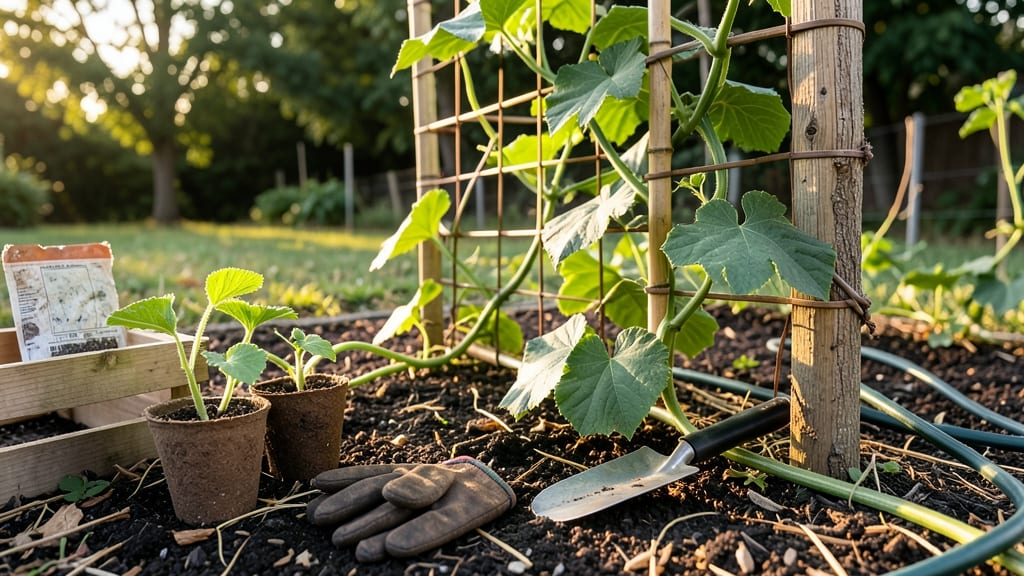
Planting cucumbers 🥒 in North Texas isn’t just about tossing seeds into the ground—it’s about nailing the 30-day frost-free window and soil temps that make all the difference between a thriving vine and a sad, wilted disappointment.
If you’ve ever watched your cucumber plants bolt in the heat or get fried by a late spring frost, you know timing is everything. The key?
Waiting until soil hits 60°F and all danger of frost has passed—usually mid-March to early May for spring, or late July to early August for summer.
But here’s the secret most gardeners miss: North Texas’s microclimates mean your neighbor’s perfect harvest might not work for you. Urban heat islands, soil types, and even elevation can shift your ideal planting date by weeks.
I’ll break down the exact frost dates, soil prep tricks, and succession planting hacks to keep your 🥒 harvest going from late May all the way to October—no guesswork, just results.
North Texas cucumber planting calendar: frost dates & ideal soil temperatures
North Texas gardeners know timing is everything—plant cucumbers too early, and frost will wipe them out; too late, and summer heat arrives before your vines produce. Mastering the frost-free window and soil temperature thresholds is the key to a bountiful harvest.
In USDA Zone 8a, cucumbers thrive when soil warms to 55°F+ for germination and 70°F+ for optimal growth. The 30-day frost-free window after the last frost date (typically March 15) determines your planting windows for both spring and summer crops.
For North Texas cities like Dallas, Fort Worth, and Waco, the average last frost date falls between March 15 and March 25.
This means your spring planting window opens around mid-March to early April, while your summer planting window begins after the July 4th heatwave, typically in late July to early August.
Understanding these thresholds helps you avoid common pitfalls like late frosts or overly hot soil, both of which can stunt growth or kill seedlings.
Here’s the breakdown of your North Texas cucumber planting calendar, including soil temperature thresholds, frost dates, and ideal planting windows for both spring and summer crops:
| Planting Window | Soil Temperature Threshold | Last Frost Date | Actionable Steps |
|---|---|---|---|
| Spring Planting (March–April) | 55°F+ (germination) / 70°F+ (optimal) | March 15–25 | Start seeds indoors 3–4 weeks before last frost; transplant after soil warms to 60°F. |
| Summer Planting (July–August) | 70°F+ (heat-tolerant varieties) | July 4th heatwave | Direct-sow seeds after July 15; use shade cloth if temps exceed 90°F. |
| Frost-Free Window | N/A (planting dependent) | March 15–November 15 | Plant within 30 days after last frost for spring; 30 days before first frost for fall. |
| Harvest Window | N/A (growth-dependent) | Late May–October | Harvest every 2–3 days to encourage continuous production. |
In Dallas and Fort Worth, where urban heat islands can raise soil temperatures faster, you might push your spring planting window slightly earlier—around late February to early March—if you use black plastic mulch to warm the soil.
However, always verify soil temperature with a soil thermometer to avoid false starts. For Waco’s slightly cooler microclimate, wait until mid-April to ensure soil stays above 60°F consistently.
For summer planting, focus on heat-tolerant varieties like ‘Straight Eight’ or ‘Lemon Cucumber,’ which thrive in 80°F+ soil temperatures. Plant seeds directly into the ground after July 15, when daytime highs stabilize and the risk of late frosts disappears.
Use drip irrigation to maintain even moisture, as summer heat can dry out soil quickly and stress young plants.
Pro tip: If you’re planting in raised beds, soil warms up faster than in-ground plots, giving you a 1–2 week head start on your planting schedule. Just ensure beds are at least 12 inches deep to accommodate cucumber vines and their extensive root systems.
Add a 2–3 inch layer of compost before planting to boost nutrient availability and improve drainage.
Monitor your local Texas A&M AgriLife Extension updates for real-time frost advisories, as microclimates in North Texas can vary significantly. For example, areas near Lake Lewisville may experience delayed last frosts due to lake-effect cooling, while urban Dallas might see earlier soil warming.
Adjust your planting timeline accordingly to maximize your cucumber harvest.
Once your cucumbers are in the ground, maintain soil temperatures above 70°F for optimal growth. If daytime highs exceed 95°F, provide afternoon shade with 30% shade cloth to prevent vines from wilting.
Mulch heavily with straw or wood chips to retain moisture and regulate soil temperature, especially during North Texas’ summer heatwaves.
By aligning your planting schedule with soil temperature thresholds and frost-free windows, you’ll ensure your cucumbers thrive from spring to fall
Spring vs. summer cucumber planting: which season works best in North Texas?
Deciding whether to plant cucumbers in spring or summer in North Texas depends on your tolerance for heat and patience for harvests. Spring planting (March–April) gives you a head start, but summer (June–July) can deliver a second bounty if managed correctly.
Both seasons have trade-offs, from bolting risks in spring to powdery mildew threats in summer.
Spring cucumbers thrive in cooler temperatures (60–85°F), while summer plants must endure 90°F+ heat without wilting. The key difference? Yield timing—spring cucumbers arrive earlier, but summer varieties often outperform in North Texas' brutal July heat if given proper care.
Let’s break down the pros, cons, and yield potential for each season.
Spring planting (March–April) offers earlier harvests but risks late frosts or bolting if temperatures spike too soon. Use heat-tolerant varieties like ‘Straight Eight’ or ‘Marketmore’ to avoid bitter fruit. Water deeply in the morning to prevent fungal diseases, and mulch to retain moisture during North Texas’ unpredictable spring showers.
Summer planting (June–July) requires shade cloth and consistent watering to combat powdery mildew and heat stress. Choose drought-resistant varieties like ‘Armenian’ or ‘Lemon Cucumber’ for better survival.
Plant in afternoon shade or use black plastic mulch to keep roots cool. Yields may lag in early summer but often surpass spring crops by August.
Avoid common pitfalls like overcrowding (space vines 2–3 feet apart) or skipping succession planting. For spring, sow seeds every 2 weeks until May. For summer, start a second batch in late July to extend harvests into September.
Both seasons demand well-draining soil—amend with compost before planting to prevent root rot.
My recommendation? Plant both seasons for continuous harvests. Start with spring for early cucumbers, then transition to summer varieties by July. With the right heat management and disease prevention, you’ll enjoy fresh cucumbers from May through October—just in time for summer salads and pickling!