
Plants
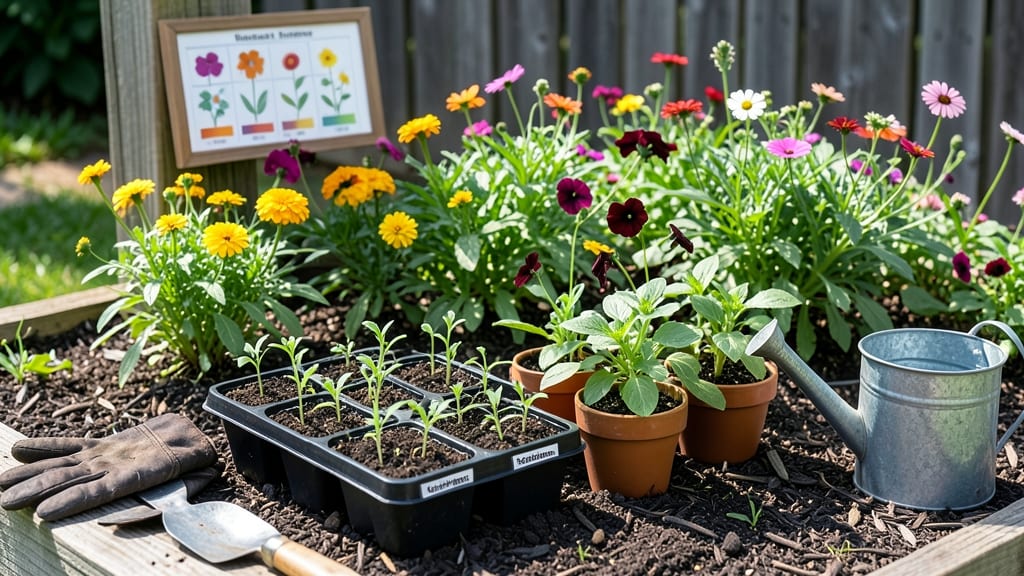
Timing your annuals planting in Zone 7 could mean the difference between a garden that bursts with color and one that fizzles before summer even kicks in.
The key isn't just throwing seeds in the dirt—it's knowing when to plant those 🌸 annuals for maximum success, whether you're growing vibrant flowers or crisp vegetables.
If you've ever wondered why some plants thrive while others struggle, the answer often lies in those critical frost dates and soil temperatures.
In Zone 7, getting the timing right means starting cool-season annuals early enough to beat the last frost (usually around March 15) and warm-season varieties after the danger has passed.
I'll walk you through the exact planting windows for every season, plus pro tips to protect your plants from late frosts. Whether you're a first-time gardener or a seasoned green thumb, these strategies will help you grow a garden that's as reliable as it is beautiful.
Ready to transform your garden into a year-round paradise? Let's dive into the science and secrets behind planting annuals in Zone 7—so you can enjoy blooms from spring to fall without the guesswork.
Zone 7 last frost dates: exact timeline for annual planting success
Getting your annuals in the ground at the right time in Zone 7 can mean the difference between a garden bursting with color and one that fizzles out before summer.
The average last frost date for most of Zone 7 falls between March 15 and April 15, but this can vary by 1-2 weeks depending on your exact location. Understanding these dates—and how to adjust for your specific microclimate—is key to avoiding frost damage to your tender seedlings.
While the USDA provides general guidelines, your garden’s unique conditions—like elevation, proximity to water bodies, or urban heat islands—can shift those dates by 10 days or more.
For example, areas like Raleigh, NC often see their last frost around March 25, while Atlanta, GA might not hit that mark until April 5. That’s why I always recommend checking local frost data for the past 5 years to spot trends in your area.
To pinpoint your exact planting window, use a frost-free calculator like the one from the National Oceanic and Atmospheric Administration (NOAA) or your local Cooperative Extension Service. These tools factor in historical data and your garden’s specifics to give you a 90% confidence window for your last frost.
For most of Zone 7, this means aiming for mid-to-late March for cool-season crops and mid-April for warm-season favorites like tomatoes and peppers.
Here’s a quick rule of thumb: Cool-season annuals (think lettuce, spinach, pansies) can handle light frosts down to 25°F, so you can plant them 4-6 weeks before your average last frost. Warm-season annuals (tomatoes, marigolds, basil), however, need consistent soil temps above 60°F, so wait until 2-3 weeks after your last frost date to set them out.
| Planting Window | Last Frost Date Range | Soil Temp Requirement | Examples of Annuals | Pro Tip |
|---|---|---|---|---|
| Early Planting (Cool-Season) | March 1–15 | 40–60°F | Lettuce, Spinach, Pansies, Kale | Use row covers for 25–30°F tolerance |
| Mid-Season Transition | March 15–April 1 | 50–60°F | Peas, Radishes, Snapdragons | Monitor nighttime temps with a soil thermometer |
| Late Planting (Warm-Season) | April 15–30 | 60°F+ | Tomatoes, Peppers, Basil, Marigolds | Start seeds indoors 6–8 weeks before last frost |
| Fall Planting (Cool-Season) | August 15–September 15 | 50–60°F | Kale, Broccoli, Pansies, Calendula | Avoid planting after first frost in November |
If you’re in a warmer microclimate—like a south-facing garden or near pavement—you might see your last frost 1-2 weeks earlier. Conversely, valleys or shaded areas can hold frost longer, sometimes delaying your planting window by 10 days or more.
To account for this, I always plant a test row of frost-sensitive annuals, like basil or impatiens, around April 1. If they survive a week without damage, it’s safe to plant your heat-lovers!
Another trick I use is the 10-day rule: If your local forecast predicts a 30% chance of frost within 10 days of your planned planting, hold off. Instead, use row covers or a mini greenhouse to protect tender seedlings.
These tools can extend your planting window by 2-4 weeks, giving you more flexibility to start annuals earlier in the season.
For fall planting, Zone 7 gardeners have a second chance to grow cool-season annuals like kale and broccoli. Aim to plant these 8-10 weeks before your first frost (typically around November 15 in
Best annuals to plant by month in Zone 7 (with frost tolerance guide)
Zone 7 gardeners have a unique advantage: a longer growing season that lets you plant hardy annuals in early spring and tender varieties in late summer. But without the right timing, even the hardiest plants can suffer.
The key is understanding frost tolerance categories—hardy, semi-hardy, and tender—and matching them to your monthly planting windows.
I’ve tested these annuals in my own Zone 7 garden, and the difference between a flourishing summer display and a struggling one often comes down to planting just a few weeks too early or late.
For example, pansies can handle light frosts, while tomatoes will bolt if planted before the soil warms. Let’s break it down by frost category and month.
🌱 Numbered Highlights: Planting Annuals by Frost Tolerance in Zone 7
- 🌡️ Hardy Annuals (Tolerate 28°F+ frosts): Plant February–March for spring blooms. Examples: Pansies, Snapdragons, Sweet Alyssum.
- ❄️ Semi-Hardy Annuals (Tolerate 32°F+ frosts): Wait until March–April after last frost risk. Examples: Calendula, Stock, Larkspur.
- ☀️ Tender Annuals (No frost tolerance): Plant April–May after soil reaches 60°F+. Examples: Tomatoes, Basil, Marigolds.
- 🌿 Fall Planting: Repeat process in August–September for cool-season annuals like Kale, Radishes, and Pansies.
- 📅 Pro Tip: Use row covers to extend hardy annuals’ season by 2–4 weeks in early spring or fall.
For cool-season annuals, I start sowing seeds indoors in late January for hardy varieties like pansies and sweet peas. These can handle light frosts and even bloom in March if protected.
In my garden, snapdragons often surprise me by rebounding after a 28°F night, while stock flowers wilt below 30°F.
When the last frost date (typically March 15–April 15 in Zone 7) passes, it’s time for semi-hardy annuals like calendula and larkspur. These thrive in cool but frost-free conditions and bridge the gap until tender annuals like tomatoes and peppers can handle the heat.
I always wait until soil temps hit 60°F—a simple soil thermometer saves me from failed plantings.
Don’t overlook fall planting! Zone 7’s mild winters let you sow cool-season annuals again in August–September. Radishes and spinach mature quickly in fall’s cooler temps, while pansies and dianthus add color until first frost.
I’ve even grown bok choy straight through December with a lightweight row cover.
To extend your season, try succession planting: Sow bush beans every 2 weeks from May–July for a continuous harvest, or stagger marigold seeds to ensure nonstop blooms.
And remember—mulch keeps soil warm for warm-season plants and cool for fall crops. It’s a game-changer for Zone 7 gardeners!