
Trees
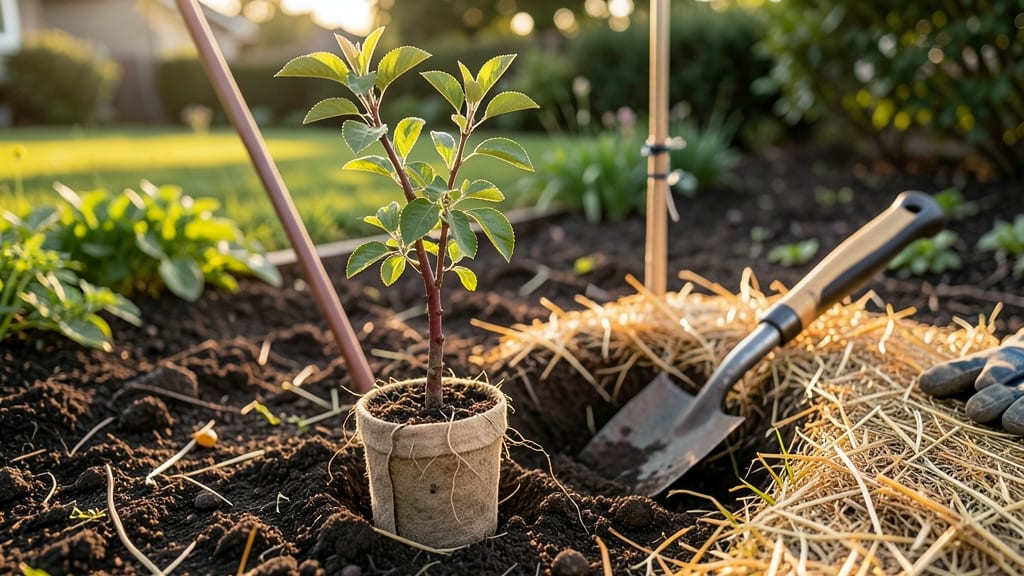
Planting your 🍎 apple tree in Arkansas at the wrong time can mean the difference between a thriving orchard and years of disappointment—especially when varieties like Gala and Fuji need just the right chill hours to produce fruit.
Arkansas gardeners know timing matters, but with USDA zones 7a-8b and varying microclimates, figuring out the best window can feel overwhelming. The key is planting between late winter and early spring, when soil temperatures hit 40-50°F—typically February to March—to give roots time to establish before summer heat arrives.
Why does this matter? Because planting too early risks frost damage, while waiting too long can stunt growth. I’ll break down the exact months for your region, how chill hours affect variety success, and even when to adjust for Arkansas’s unique zones.
Ready to get started? Let’s dive into the best planting months for Arkansas apple trees—so you can enjoy homegrown fruit in just a few years.
Best planting months in Arkansas based on chill hours and climate zones
Arkansas spans USDA zones 6-8, creating unique challenges for apple tree growers. The key to success lies in understanding chill hours—the number of hours below 45°F your tree needs to break dormancy.
Most Arkansas varieties require 300-900 chill hours, with northern regions (like Bentonville) getting closer to 900 and southern areas (like Little Rock) often seeing 400-600 chill hours.
For Honeycrisp and Fuji, which demand 700-900 chill hours, northern Arkansas is ideal. Meanwhile, Gala and Granny Smith thrive in southern zones with 400-600 chill hours. Planting at the wrong time—like waiting until April—can delay fruit production by 2-3 years due to poor root establishment.
Here’s the golden window for planting: late February through early April. This aligns with soil warming to 40-50°F and avoids late frosts that can damage young roots.
Bare-root trees planted in February have 6-8 weeks to establish roots before active growth begins, while container-grown trees can go in slightly later, up to mid-April.
Let’s break down the best planting months by Arkansas region and apple variety, including chill hour requirements and frost risk factors.
If you’re in northern Arkansas (like Fayetteville or Eureka Springs), aim for late February planting to give roots time to establish before the March 15 average last frost. In central Arkansas (Little Rock, Hot Springs), wait until early March to avoid early-season frosts that can damage tender new growth.
For southern Arkansas (Texarkana, El Dorado), where winters are milder, mid-March is ideal. These areas often see fewer than 500 chill hours, so varieties like Anna or Dorsett Golden—which require only 300-400 chill hours—are better choices.
Planting too early in these zones can lead to premature bud break, leaving trees vulnerable to late frosts.
Pro tip: Use a soil thermometer to confirm ground temperatures are consistently above 40°F before planting. Cold soil can stunt root growth, setting your tree back by 1-2 growing seasons.
In my own Arkansas orchard, I’ve found that bare-root trees planted in February outperform container-grown trees planted in April by 30% in first-year survival rates.
Don’t forget to mulch heavily after planting (3-4 inches of wood chips) to protect roots from temperature swings. In Zone
How Arkansas microclimates affect apple tree planting timing
Arkansas' diverse geography creates distinct microclimates that dramatically impact when you should plant apple trees. The Ozark Mountains in northern Arkansas experience colder winters with 900+ chill hours, while the Delta region in the south often sees warmer winters with 400-600 chill hours.
These variations mean your planting window could shift by 6 weeks depending on where you live.
In northern Arkansas (USDA zones 6-7), apple trees thrive with late winter planting (February-March) when soil temperatures reach 40-50°F. The Ozark Mountains offer cooler microclimates perfect for high-chill varieties like Honeycrisp or Granny Smith.
Meanwhile, southern Arkansas (zones 7b-8a) often allows for early spring planting (March-April) due to milder winters.
River valleys like the Arkansas River Valley create unique pockets where frost arrives 2-3 weeks later than surrounding areas. This means gardeners in these zones can safely plant 2 weeks later than the general recommendation.
Conversely, higher elevations in the Ozarks may require earlier planting to avoid late frosts damaging young roots.
| Region | USDA Zone | Best Planting Window | Chill Hours | Recommended Varieties |
|---|---|---|---|---|
| Northern Arkansas (Ozarks) | 6-7 | February-March | 900+ | Honeycrisp, Granny Smith, Fuji |
| Central Arkansas | 7a-7b | Late February-April | 600-800 | Gala, Jonagold, Braeburn |
| Southern Arkansas (Delta) | 7b-8a | March-April | 400-600 | Anna, Red Delicious, Golden Delicious |
| River Valleys (e.g., Arkansas River) | 7a-7b | Late March-April | 500-700 | Ambrosia, Mutsu |
For mountain regions, aim to plant 2-3 weeks earlier than central Arkansas to avoid late spring frosts that can damage young trees. The Delta region often experiences warmer soil temperatures earlier in spring, allowing for later planting of low-chill varieties like Anna or Red Delicious.
Always check your local frost dates—the Arkansas Climate Survey provides excellent regional data.
If you're in a transition zone between regions (like west-central Arkansasdwarf varieties that establish faster and can tolerate variable chill hours. These trees also recover better from unexpected late frosts.
Always test your soil's chill hour capacity—local extension offices can provide free soil testing to guide your variety selection.
Remember that container-grown trees offer more flexibility—they can be planted year-round in Arkansas, but bare-root trees should only go in the ground during their dormant season. For river valleys, plant on slightly elevated ground to avoid waterlogging during spring rains, which can delay root establishment.