
Trees
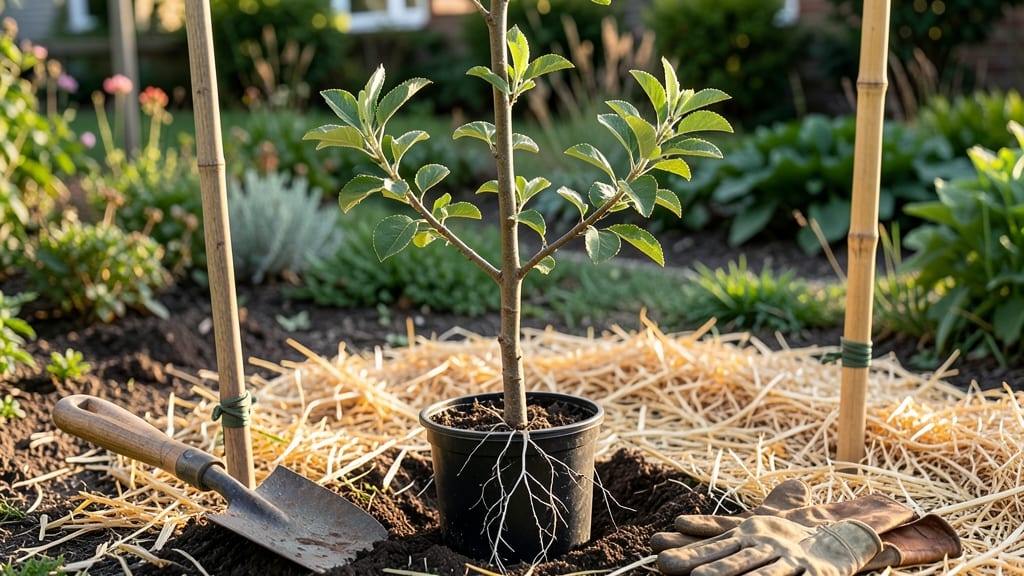
Planting an apple tree 🍎 in Maine at the wrong time could mean the difference between a thriving orchard and a sad, struggling sapling.
The key to success lies in understanding your region's chill-hour requirements—those critical cold periods that trigger fruit production—and aligning them with Maine's 5b-6b climate zones.
Most gardeners assume spring is the only window, but fall planting actually gives young trees a head start. Whether you're working with bare-root saplings or container-grown varieties, timing matters just as much as soil prep.
I'll walk you through the exact months that work best for Maine's short growing season, plus how to avoid common mistakes that derail new plantings.
You might be surprised to learn that some apple varieties thrive better in Maine's cooler climate than others. We'll cover the top cold-hardy options that deliver reliable harvests, along with soil preparation tips to set your tree up for long-term success.
Let's get those roots in the ground at the perfect moment.
The right planting window isn't just about the calendar—it's about matching your tree's needs with Maine's unpredictable frost patterns. I'll show you how to read the signs, choose the best time of year, and give your apple tree the strong foundation it needs to produce fruit for decades.
Your future harvest starts with this one decision.
Maine’s best planting months for apple trees based on chill hours
Maine’s cool climate and variable frost dates demand precise timing when planting apple trees. The key factor? Chill hours—the number of hours below 45°F needed for fruit set.
Most Maine varieties require 300–1,000+ chill hours, and planting outside the ideal window can stunt growth or prevent fruiting entirely.
For bare-root trees, early spring (late April–May) is ideal—soil thaws but frost risk remains low. Container-grown trees, however, thrive when planted in early fall (September–October), giving roots time to establish before winter. Both windows avoid Maine’s unpredictable frost patterns and ensure proper dormancy cycles.
Here’s how to match your apple variety to Maine’s USDA Zones 5b–6b and chill-hour needs:
| Planting Window | Chill-Hour Range | Best Varieties | Soil Prep Tip |
|---|---|---|---|
| Late April–May (Spring) | 600–1,000+ hours | Honeycrisp, McIntosh, Cortland | Amend with compost; test pH (6.0–7.0) |
| September–October (Fall) | 300–600 hours | Liberty, Zestar!, Haralson | Mulch heavily; water deeply before frost |
| Avoid: June–August | N/A (Heat stress risk) | None (except potted trees) | High heat disrupts root growth |
Spring planting lets roots establish before Maine’s short growing season, while fall planting gives trees a head start on spring bud break. For dwarf varieties, container-grown trees planted in fall can fruit in as little as 2–3 years, compared to 5+ years for bare-root spring plantings.
Always check your local last frost date—Maine’s ranges from May 10–20 in the north to May 1–10 in the south. Planting 2–3 weeks after the average last frost minimizes frost damage to tender new shoots. Use frost cloth if early blooms appear before Memorial Day.
Soil temperature matters too: roots won’t grow in cold, soggy soil. Aim for 45–55°F soil temps (use a soil thermometer). In northern Maine (Zone 5b), wait until mid-May; in southern Maine (Zone 6b), early April works for hardy varieties like Haralson or McIntosh.
Post-planting care depends on the season: Spring plantings need consistent watering (1–2 inches weekly) to prevent drought stress, while fall plantings benefit from deep mulching (4–6 inches of straw or wood chips) to insulate roots. Avoid fertilizing newly planted trees—wait until spring bud break for the first feeding.
Pro tip: Pair your apple tree with a pollinator variety (e.g., plant Honeycrisp with McIntosh) to ensure fruit set. Maine’s short pollination window (late May–June) means cross-pollination is critical for most varieties.
Check your tree’s chill-hour label—some modern varieties (like Zestar!) need only 300 hours and thrive in Zone 5b.
If you’re in central Maine, where chill hours hover around 700–800, prioritize Honeycrisp or Cortland. For coastal areas (milder winters), Liberty (fire blight-resistant) or Gala (600+ chill hours) are safer bets. Always buy from Maine-certified nurseries to ensure cold-hardy rootstock.
Timing your planting right isn’t just about the calendar—it’s about matching your variety to Maine’s microclimates. Whether you choose spring’s fresh start or fall’s early advantage, the goal is the same: robust roots and abundant harvests for years to come. 🌳🍏
Top 5 apple tree varieties for Maine’s short growing season
Maine’s short growing season demands apple varieties that thrive with fewer than 1,000 chill hours and tolerate cold snaps. The right cold-hardy varieties ensure reliable fruit production despite unpredictable weather. I’ve selected five top performers that balance hardiness, yield, and flavor for Maine’s climate.
These varieties excel in USDA Zones 5b-6b, where winters are harsh but summers are brief. Each was chosen for its ability to meet Maine’s chill-hour requirements (typically 400–800 hours) while delivering high-quality fruit.
Whether you’re a backyard grower or homesteader, these apples will reward your efforts with juicy, crisp harvests.
Honeycrisp tops the list for its crisp texture and sweet-tart flavor, making it a favorite for fresh eating. This variety requires 600–800 chill hours, perfect for most of Maine. Plant in well-draining soil with full sun, and expect harvests in late August to September. For best results, pair it with a pollinizer like McIntosh.
McIntosh is a classic Maine apple, thriving with 400–600 chill hours and offering a tangy, juicy profile ideal for pies and sauces. Its early maturity (late August) makes it a reliable choice for short seasons. Prune annually to maintain an open canopy, which improves air circulation and reduces disease risk in Maine’s humid summers.
Cortland stands out for its long storage life (up to 6 months) and 500–700 chill hours requirement. Harvest in September to October, and store in a cool, dark place to preserve freshness. This variety handles Maine’s late frosts well, making it a smart choice for northern regions.
Macoun delivers a balanced sweetness with 500–700 chill hours, ripening in late September. Its disease resistance is a plus for Maine’s apple scab and cedar apple rust challenges. Mulch heavily around the base to protect roots during winter temperature swings common in the region.
Finally, Liberty is a fire blight-resistant variety with 500–600 chill hours, perfect for organic growers. Its crisp, aromatic apples ripen in late September and store well. To maximize yields, plant in well-amended soil and water deeply during drought-prone Maine summers.