
Plants
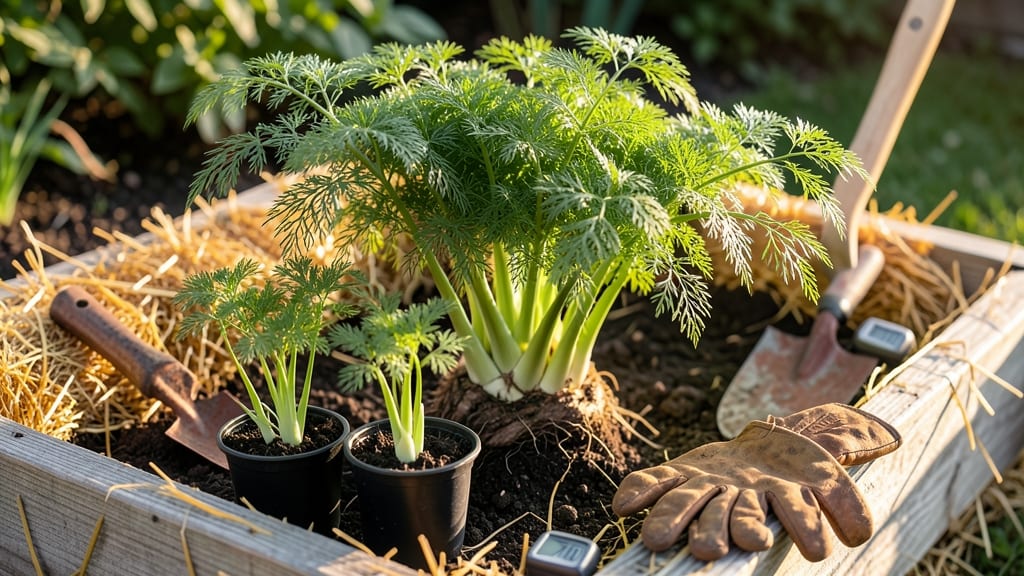
Planting asparagus in Arkansas at the wrong time could mean years of disappointment—this hardy perennial needs the perfect early spring window to establish roots before summer’s heat or winter’s freeze.
In USDA Zones 7a-8a, timing isn’t just about the calendar; it’s about avoiding those critical frost dates that can stall growth or worse, kill your crowns before they take hold.
Most Arkansas gardeners swear by February to March for planting asparagus crowns, when soil temperatures hover between 40-50°F—just warm enough for roots to sprout without inviting pests or fungal diseases. But here’s the catch: if you miss this window, you’re not out of luck entirely.
I’ll show you how to adjust for late plantings and even when to sow seeds for a second chance at harvest.
Why does this matter? Because asparagus isn’t like your average vegetable—it takes 2-3 years to mature, and rushing or delaying planting can set you back decades in yield.
Whether you’re a first-time gardener or a seasoned pro, these Arkansas-specific tips will help you avoid common pitfalls and get your 🌱 asparagus off to the strongest possible start.
Let’s dive into the exact dates, soil prep secrets, and microclimate tweaks that make all the difference in your garden’s success. You’ll walk away knowing not just when to plant, but how to give your asparagus the best shot at thriving in Arkansas’ unique growing conditions.
Ideal Arkansas asparagus planting dates by USDA Zone 7a vs 7b
Asparagus thrives in Arkansas's USDA Zones 7a/7b, but timing is critical—plant too early, and frost will damage tender roots; too late, and summer heat stress weakens establishment.
The perfect window for planting asparagus crowns spans late February to mid-April, with Zone 7a favoring the earlier end and Zone 7b accommodating slightly later dates.
Your goal is to plant when soil temperatures reach 40-50°F—warm enough for root growth but cool enough to avoid heat shock. In Arkansas, this typically aligns with late February to early March for most areas, though microclimates (like sheltered valleys) may allow earlier planting in Zone 7b.
Missed the window? Don’t panic—fall planting (September-October) is a backup, though yields may take an extra year to mature. The key is ensuring 6-8 weeks of root establishment before winter dormancy or summer heat sets in.
🌱
| USDA Zone | Ideal Planting Window | Soil Temp Threshold | Backup Window | Key Consideration |
|---|---|---|---|---|
| 7a (North AR) | Late Feb - Early Mar | 40-45°F | Sep-Oct (fall) | Higher frost risk |
| 7b (Central/South AR) | Early Mar - Mid-Apr | 45-50°F | Late Aug - Sep | Warmer microclimates |
| Both Zones | Avoid after Apr 15 | N/A | N/A | Summer heat stress |
In Zone 7a, aim for late February to early March—this gives roots time to establish before the average last frost (March 15). For Zone 7b, extend planting to mid-April, as warmer microclimates (like the Arkansas River Valley) delay frost risks.
Use a soil thermometer to confirm 40-50°F soil temps before planting. Cold soil slows root growth, while soil above 50°F can cause crowns to dry out. In Arkansas’s clay-heavy soils, add compost to improve drainage and warm up faster.
For fall planting, choose September-October to allow roots to establish before winter. This method works best in Zone 7b, where milder winters reduce frost damage risks. Mulch heavily with straw or leaves to insulate roots during winter.
🌿
If you’re unsure about your exact last frost date, check the Arkansas Climate Office or use local gardeners’ reports. In northern Arkansas (Zone 7a), frost can linger until April 1, while southern Arkansas (Zone 7b) typically sees frost-free conditions by March 15.
Pro tip: Plant 1-year-old crowns (not seeds) for faster harvests. These are pre-grown and establish roots 30-50% quicker than seeds. Space them 12-18 inches apart in trenches 6-8 inches deep—this mimics their natural growth habit.
🪴
How to prepare Arkansas soil for asparagus success before planting
Asparagus thrives in well-draining, nutrient-rich soil with a slightly alkaline pH (6.5-7.5). Arkansas gardeners often face clay-heavy or acidic soils, which can stunt root growth and reduce yields.
Before planting, focus on amending your soil to create the perfect foundation for this perennial vegetable—one that will reward you for years to come.
Start by testing your soil pH using a home kit or sending a sample to the University of Arkansas Cooperative Extension. If your soil is too acidic (below 6.5), add lime to adjust it gradually.
For clay-heavy soils, organic matter like compost will improve drainage and structure, preventing waterlogged roots that asparagus hates.
For clay-heavy Arkansas soils, mix in coarse sand or perlite to break up compaction. Work these amendments into the top 12 inches of soil, where asparagus roots will spread. Avoid working soil when it’s too wet or dry, as this can damage soil structure.
If your garden bed is raised, fill it with a mix of 50% topsoil, 30% compost, and 20% sand for optimal growing conditions.
Asparagus benefits from companion planting to deter pests like asparagus beetles and voles, common in Arkansas gardens. Pair your asparagus with onions, garlic, or tomatoes, which repel insects naturally. Avoid planting near potatoes or beans, as they compete for nutrients and attract similar pests.
After amending your soil, create a mulch layer of straw or wood chips (2-3 inches thick) around your asparagus bed. This helps retain moisture, suppress weeds, and regulate soil temperature—critical for Arkansas’s hot summers and cold winters. Replenish mulch annually to maintain soil health and protect young plants.
With these steps, your Arkansas soil will be ready to support healthy asparagus crowns that establish quickly and produce abundant spears for years. Remember, patience is key—asparagus takes 2-3 years to reach full production, but the wait is worth it for fresh, homegrown harvests!