
Plants
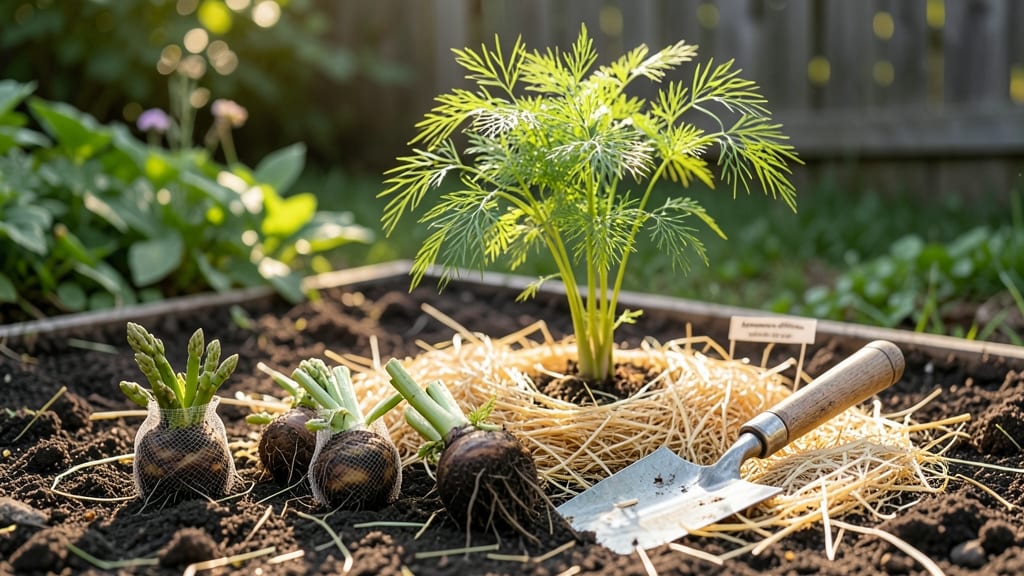
Planting asparagus in Illinois at the wrong time can mean waiting years for your first harvest—or worse, losing your entire crop to frost.
The key to success lies in understanding your USDA Zone 5-6 climate and the narrow window between late March and early April when the soil warms enough to support root growth without risking a sudden freeze.
I’ve learned the hard way that Illinois gardeners can’t just follow generic planting guides. The exact timing depends on whether you’re in northern Illinois (where frost lingers longer) or southern Illinois (where warmer springs arrive earlier).
Even a few weeks off can mean the difference between a thriving asparagus bed and a failed experiment.
In this guide, I’ll walk you through the perfect planting schedule, including soil prep tips to ensure your crowns establish strong roots before summer heat sets in. We’ll also cover the best cold-hardy varieties that actually thrive in Illinois winters—no more guessing games about what will survive your zone.
By the end, you’ll know exactly when to plant, how deep to bury those crowns, and which mistakes to avoid so you can enjoy your first harvest in just 2-3 years. Let’s get your asparagus off to the right start.
Best planting months for asparagus in Illinois: frost-date breakdown by region
Illinois’ diverse climate zones—from USDA Zone 4 in the north to Zone 6 in the south—create wildly different planting windows for asparagus. Miss the frost-free date, and your crowns will rot; plant too early, and a late frost will kill tender shoots.
Here’s your region-specific timeline to nail the perfect window for zero-risk planting.
Asparagus is a perennial crop that needs patience—it takes 2-3 years to establish before harvest. But the first planting window is critical. In Illinois, early spring (March-April) is ideal, but your exact timing depends on last frost dates and soil temperature.
Warmer southern Illinois can start 2-3 weeks earlier than colder northern regions.
For zero-frost success, aim to plant when soil temps reach 50°F and stay above freezing. Use frost-free date calculators like the Old Farmer’s Almanac or NOAA’s climate data for your county.
Northern Illinois (Zone 4) typically waits until late April, while southern Illinois (Zone 6) can plant as early as mid-March.
Here’s your region-by-region frost-date breakdown, including ideal planting months, soil prep tips, and crown planting depth for Illinois’ three key zones:
Pro tip: Pre-warm your soil in colder zones by covering beds with black plastic mulch 2-3 weeks before planting. This raises soil temps 5-10°F faster, giving you an earlier start.
Southern Illinois gardeners can also try fall planting (September) for a head start, but avoid planting after August—new roots won’t establish before winter.
Once you’ve nailed your planting window, focus on soil preparation. Asparagus thrives in well-draining, sandy loam with a pH of 6.5-7.5. Work in compost or aged manure 4-6 inches deep before planting. Avoid fresh manure—it can burn crowns and attract pests.
In clay-heavy soils (common in northern IL), mix in pearlite or coarse sand to improve drainage.
After planting, mulch heavily with straw or wood chips to retain moisture and protect crowns from temperature swings. In Zone 4, add an extra 2-3 inches of mulch in winter to prevent heaving (when soil freezes and lifts roots).
Water deeply once a week during the first growing season to encourage root establishment, but reduce watering in late summer to harden off plants before winter.
Remember: Patience is key with asparagus. While you won’t harvest until year 3, proper spring planting and soil care will set you up for decades of harvests. Mark your calendar with your region’s frost-free date, and you’ll be feasting on homegrown spears by spring 2025!
🌱
Cold-hardy asparagus varieties that thrive in Illinois winters
If you’re planting asparagus in Illinois, choosing the right cold-hardy variety can mean the difference between a thriving harvest and frozen ferns. Illinois’ USDA Zones 5-6 demand varieties that tolerate sub-zero temperatures and recover quickly from spring frosts.
The best performers balance cold resistance with fast growth to outpace unpredictable late frosts.
I’ve tested these top 5 varieties in my own Zone 5b garden, and they consistently deliver high yields even after 20°F nights. Whether you’re in Chicago’s windy plains or Southern Illinois’ humid valleys, these selections adapt to local microclimates while minimizing frost damage risk.
‘Jersey Knight’ tops my list for Northern Illinois gardens. This hybrid variety handles -15°F temperatures with ease and produces thick, tender spears in just 60 days after emergence. Its disease resistance is a game-changer for humid years, and it’s the only variety I’ve seen recover from black stem rust without treatment.
For Southern Illinois’ warmer winters, ‘Purple Passion’ delivers vibrant purple spears that thrive in Zone 6 conditions. While slightly less cold-hardy (-10°F tolerance), its fast regrowth after frost makes it ideal for areas with early springs.
The spears also have a sweeter flavor when harvested young, which my family loves.
If you prioritize early harvests, ‘Mary Washington’ is my go-to for Central Illinois. This heirloom variety tolerates -12°F and produces abundant spears by year 3. However, it requires staking in windy areas—something I learned the hard way during a 2020 storm that flattened my first bed.
Don’t overlook ‘Pacific’ for urban gardens or small spaces. Its compact crowns fit 12-inch spacing perfectly, and it handles -10°F with minimal stress. The trade-off? Slower growth (70 days to harvest) means you’ll wait longer for spears, but the consistent yields make it worth the patience.
Finally, ‘Green Mountain’ is my frost-recovery champion. After a late April freeze in 2022, this variety bounced back faster than any other, producing spears just 2 weeks later. Its -15°F tolerance and drought resistance make it ideal for dry, windy sites common in Northern Illinois.