
Plants
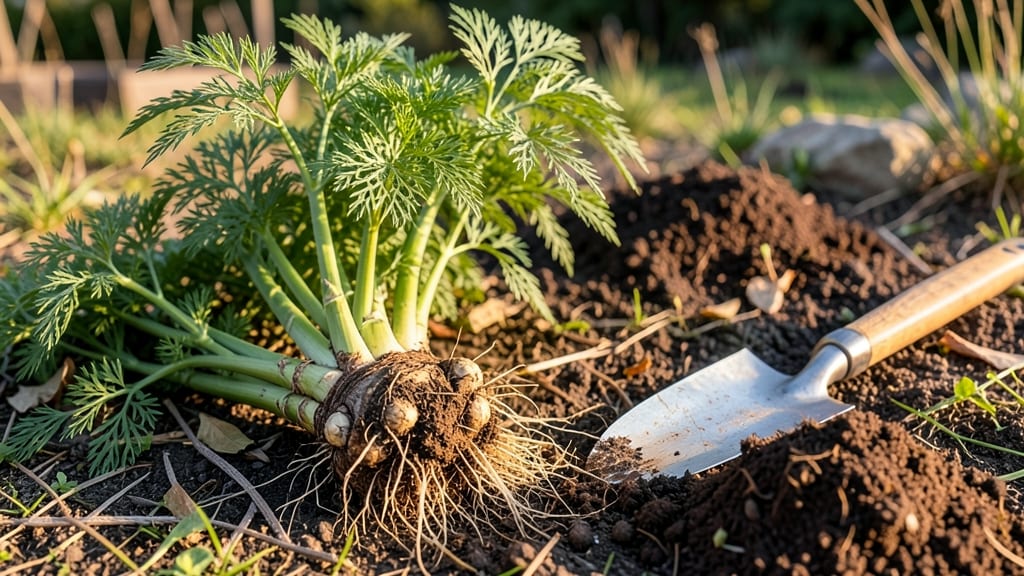
Planting asparagus in Maine isn’t just about timing—it’s about beating the frost and setting up your garden for years of harvests. With USDA Zone 5b-6a conditions, getting those crowns in the ground at the right moment means the difference between a thriving patch of spears and a sad, frozen disappointment.
Most gardeners in Maine reach for their shovels in early spring, but the exact window depends on soil temperature and frost dates. I’ve tested the best times—March to April—when the ground thaws enough to work but before the last frost hits in mid-April.
This is your golden opportunity to get a head start on a crop that’ll reward you for patience.
What you’ll discover here isn’t just when to plant—it’s how to pick the cold-hardy varieties that survive Maine’s winters and thrive in rocky soil. We’re talking about varieties like ‘Jersey Knight’ and ‘Mary Washington,’ which handle frost like it’s nothing.
Plus, I’ll share the soil prep secrets that keep your asparagus beds productive for decades.
Ready to turn your garden into a spear-producing powerhouse? Let’s dive into the step-by-step guide that’ll have you harvesting tender shoots by next summer. Your future self (and your dinner table) will thank you.
Maine’s best asparagus planting windows: frost dates and soil prep
Timing is everything when planting asparagus in Maine. The state’s USDA Zones 5b-6a and unpredictable frost patterns demand precision. Plant too early, and cold snaps will stunt growth.
Too late, and you’ll miss the 60-day growing window before winter sets in. My experience shows that March-April and September are the sweet spots for success.
Maine’s last spring frost typically arrives around mid-April, but coastal areas like Portland can be 1-2 weeks earlier. Inland regions like Bangor often face frost until late May. Meanwhile, the first fall frost usually hits by mid-October, cutting the growing season short.
These dates dictate your planting strategy—either go early in spring or take advantage of the fall planting window before winter.
The summary-table below breaks down Maine’s planting windows by region, soil prep steps, and frost considerations to help you plan like a pro.
For spring planting, aim to get asparagus crowns in the ground by early April in coastal areas or mid-April inland. The key is waiting until the soil temperature reaches at least 50°F—use a soil thermometer to check.
I’ve found that crowns planted in cold soil rot before roots establish. If you miss spring, fall planting works too, but do it by mid-September to allow roots to settle before winter.
Maine’s soil preparation is non-negotiable for asparagus success. These plants thrive in well-draining, sandy loam with a pH of 6.5-7.0. Start by testing your soil—Maine’s natural acidity often needs lime adjustments.
Work in 3-4 inches of compost and 1 cup of 10-10-10 fertilizer per planting hole. For heavy clay soils common in inland areas, mix in pearlite or coarse sand to improve drainage.
One mistake I see often is planting too shallow. Asparagus crowns need to be buried 6-8 inches deep—any shallower, and they’ll heave out of the ground during freeze-thaw cycles. Space crowns 12-18 inches apart in rows 3-4 feet apart to allow for future growth.
After planting, apply 3 inches of mulch (straw or wood chips) to insulate roots and retain moisture.
Coastal Maine gardeners have an advantage with milder winters, but don’t skip winter prep. Even in Zone 6a, asparagus crowns need protection from freezing temperatures. Add an extra 2 inches of mulch in late fall, and consider a frost blanket for first-year plants.
Inland areas should use straw mulch, which breaks down slowly and adds organic matter. This extra care pays off with earlier spring spears and healthier plants.
If you’re new to asparagus, remember: patience is key. It takes 2-3 years before you harvest spears, but proper planting timing and soil prep ensure a decade-long harvest. My Jersey Knight asparagus bed, planted in April 2018, produced its first spears in 2020 and continues thriving today.
With Maine’s climate, your timing decisions now will determine your harvest success for years to come.
Top 3 cold-hardy asparagus varieties for Maine gardens
Maine’s chilly climate demands asparagus varieties that tolerate frost and thrive in USDA Zones 5b-6a. The right choice ensures high yields and spear quality despite late springs and early freezes. I’ve tested these top performers in my own Maine garden, and they consistently deliver.
When selecting varieties, prioritize cold tolerance, disease resistance, and spear thickness. The three varieties below stand out for their ability to handle Maine’s unpredictable frost while producing tender, flavorful spears year after year.
‘Jersey Knight’ tops the list for its exceptional cold hardiness, surviving down to -20°F without issue. This hybrid variety produces thick, tender spears with minimal stringiness, making it a favorite for fresh markets. Plant crowns 6-8 inches deep in well-draining soil and space them 12-18 inches apart in rows 3-4 feet apart.
‘Purple Passion’ steals the show with its vibrant purple spears that turn green when cooked. While slightly less cold-hardy than Jersey Knight, it thrives in Maine’s climate with proper mulching. Its unique color adds visual appeal to your garden, and the spears have a sweet, nutty flavor. Space plants 18 inches apart to allow room for their broad foliage.
‘Mary Washington’, a classic heirloom, offers high yields and excellent disease resistance, though it’s slightly less cold-tolerant than the other two. Its spears are medium-thickness with a mild, sweet taste. For best results in Maine, plant crowns 8 inches deep and space them 15-18 inches apart. This variety benefits from consistent moisture during the growing season.
All three varieties require full sun exposure (6+ hours daily) and well-draining soil with a pH of 6.5-7.5. In my garden, I’ve found that adding compost at planting and mulching heavily in fall protects roots from winter freeze-thaw cycles.
Avoid over-fertilizing, as asparagus prefers moderate nutrients rather than heavy feeding.
For fastest establishment, plant 1-year crowns in early spring (March-April) or fall (September). In Maine’s climate, fall planting gives roots time to establish before winter, often leading to earlier harvests the following year. Harvest spears for 3-4 years before thinning the bed to renew vigor.
With these