
Plants
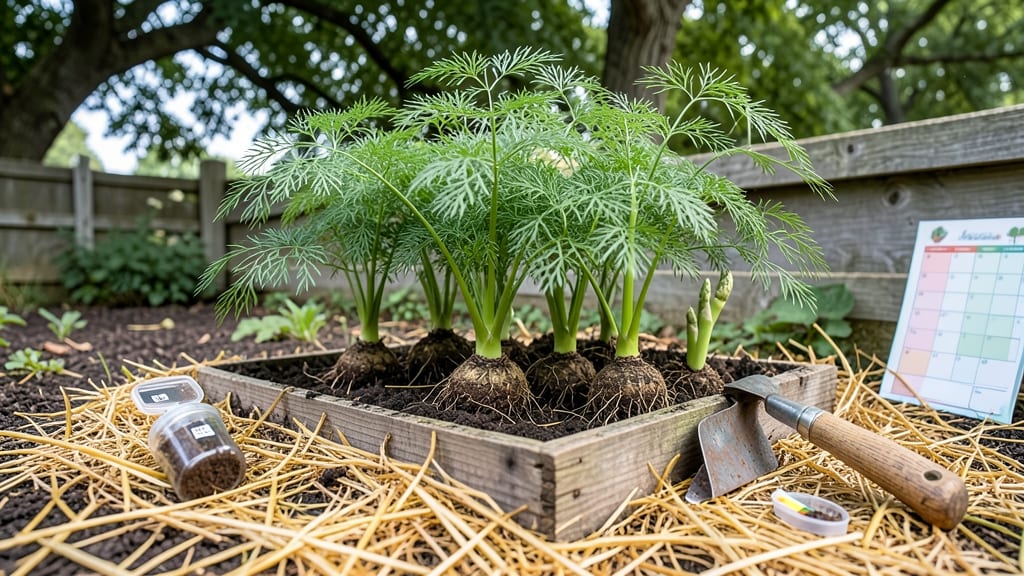
Planting asparagus in Seattle might seem tricky with its unpredictable weather, but timing it right means you could be harvesting fresh spears in just a few years—starting with a simple early spring planting window.
Seattle’s USDA Zone 8a climate gives you two prime chances to get asparagus crowns in the ground: early spring (March-April) or late summer (August-September). The key is waiting until the soil warms to at least 40°F—cold soil can stunt root growth and delay your first harvest.
Why wait? Because asparagus is a patient plant—it takes 2-3 years to establish before you’ll see those prized spears. But once it’s growing, you’ll get year-round harvests with minimal effort, making it one of the most rewarding vegetables for Pacific Northwest gardeners.
Let’s break down exactly when to plant, how to prep your soil, and what to watch for in Seattle’s unique microclimates so you can avoid common mistakes and set up your asparagus for long-term success.
Best planting months for asparagus in Seattle’s climate zones
Seattle’s USDA Zone 8a/8b climate offers two prime windows for planting asparagus crowns: early spring and late summer. The key is planting when soil temperatures consistently stay above 40°F, ensuring roots establish before winter dormancy.
My favorite timing? March through April for spring planting, when frost risk drops and days lengthen.
Fall planting is trickier in Seattle due to rainy, cool conditions, but August is ideal if you choose this route. The goal is to give roots 6-8 weeks to settle before first frost (typically mid-November).
I’ve found spring planting yields healthier crowns with fewer fungal issues in Seattle’s damp climate.
Microclimates matter—Seattle’s urban heat islands (like Ballard or Beacon Hill) may warm 2-3°F faster than rural areas, allowing slightly earlier spring planting. Always check your local last frost date—Seattle’s average is March 15, but microclimates can shift this by weeks.
For spring planting, aim to get crowns in the ground 4-6 weeks before last frost. This gives roots time to establish before spear production begins. I’ve had success planting as early as late February in south-facing beds with black plastic mulch to warm the soil faster.
If you choose fall planting, August is your last chance—plant 6-8 weeks before first frost (mid-November). Use raised beds or well-draining soil to prevent waterlogging. I’ve seen fall-planted crowns struggle in Seattle’s clay-heavy soils, so amending with compost and sand is a must.
Seattle’s Pacific Northwest climate demands attention to soil drainage. Asparagus hates soggy roots, so avoid low-lying areas where water pools. A simple soil test (pH 6.5-7.0) will confirm your garden’s readiness—Seattle’s acidic soils often need lime adjustments.
Pro tip: Mulch heavily after planting (3-4 inches of straw or wood chips) to insulate roots during Seattle’s cool, wet winters. This mimics the plant’s natural dormancy cycle and prevents crown rot, a common issue in our climate.
Remember, asparagus is a perennial investment—it takes 2-3 years to reach full production. Planting at the right time ensures your crowns establish strong roots before spear harvests begin in April-June of year two.
For Seattle gardeners, patience and timing are everything. With these planting windows, your asparagus will thrive in our cool, damp climate and reward you with fresh spears for decades. 🌱
Step-by-step asparagus planting timeline for Seattle gardeners
Seattle’s rainy season and cool temperatures make timing critical for growing asparagus. Planting at the right time ensures strong root establishment before winter, while avoiding frost damage or soggy soil.
With the right schedule, you’ll enjoy harvestable spears in just 2-3 years—starting with these key steps tailored to our local climate.
The best time to plant asparagus crowns in Seattle is either early spring (March-April) or late summer (August). Spring planting gives roots time to settle before winter, while fall planting allows for root growth before dormancy.
Both methods work, but spring is ideal for beginners due to milder soil conditions.
Test soil pH (6.5-7.0) and amend with compost. In Seattle’s clay-heavy soil, mix in organic matter to improve drainage. Mark planting rows with stakes.
Plant 1-year-old crowns 6-8 inches deep, 12-18 inches apart. Water deeply after planting. Mulch with straw or wood chips to retain moisture and suppress weeds.
For fall planting, choose disease-resistant varieties like ‘Purple Passion’ and plant 6 weeks before first frost. Water thoroughly to encourage root growth before dormancy.
Avoid harvesting spears in year 1. Instead, let foliage grow to build energy for next year’s harvest. Apply balanced fertilizer (5-10-10) in early spring.
Start harvesting in April-June when spears reach 6-8 inches. Cut at soil level with a sharp knife. Expect first harvests in late spring, tapering by summer.
Seattle’s rainy season means extra attention to drainage. If your soil stays soggy, consider raised beds or mounding soil to prevent root rot. Mulching with straw or leaves helps regulate soil temperature and moisture, especially during our unpredictable winters.
With this timeline, your asparagus patch will thrive in Seattle’s climate. Patience is key—first harvests won’t come until year 2 or 3, but the reward of fresh, homegrown spears makes it worth the wait. Start small with 3-5 crowns to test your soil and microclimate before expanding.
Pro tip: Mark your planting rows with stakes or flags to avoid disturbing roots during weeding. Asparagus is a perennial crop, so proper planting now means decades of harvests with minimal replanting.