
Plants
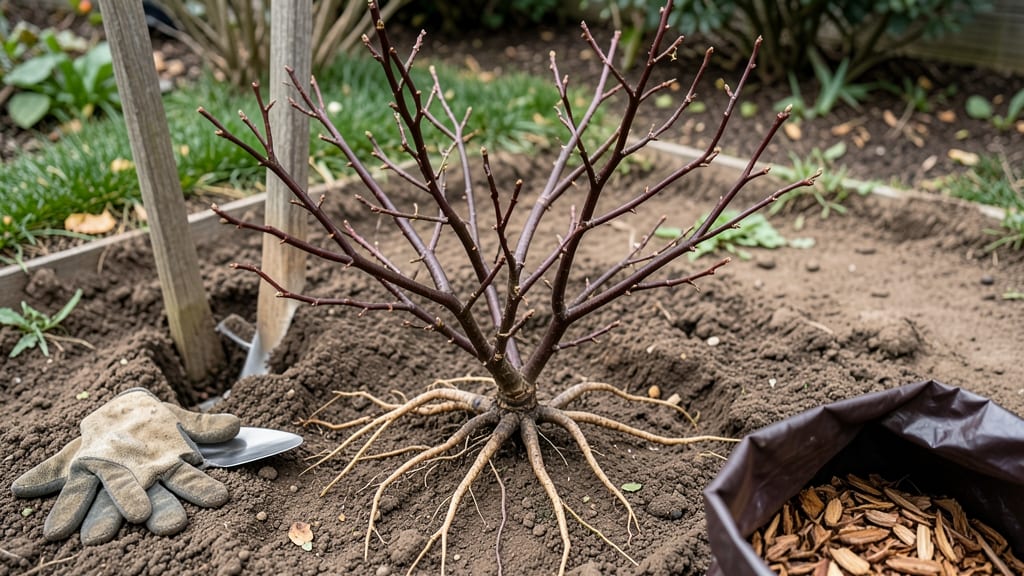
Planting bare root roses in California at the wrong time can mean the difference between a thriving 🌹 garden and wasted effort—especially when frost risk looms.
Unlike other regions, California's microclimates create unique challenges, from coastal areas with near-year-round growing seasons to inland valleys where winter chills can sneak in unexpectedly.
If you're wondering when to plant bare root roses in your specific zone, the answer isn't one-size-fits-all. Coastal gardeners in USDA Zone 10 can plant as late as March, while those in inland valleys (Zone 9) should aim for November through January to avoid frost damage.
The key is understanding your local frost-free window and soil conditions.
I've planted roses across California's diverse landscapes, and what I've learned can save you from common mistakes. Whether you're in San Diego or the Central Valley, timing your 🌹 planting right ensures stronger root establishment and healthier blooms.
Let me show you exactly how to match your planting schedule to your microclimate.
From soil prep to post-planting care, we'll cover everything you need to know to give your roses the best possible start. You'll discover how to read your local climate cues and adjust your schedule accordingly—because in California, the right timing truly makes all the difference for your bare root roses.
California’s best bare root rose planting months by USDA Zone
California’s diverse climate makes timing everything when planting bare root roses. Unlike most states, frost isn’t the only concern—coastal fog, inland heat waves, and unpredictable rain all play a role.
The key is planting when soil temperatures stay above 50°F (10°C) and before spring growth begins, typically between November and March. But your exact window depends on whether you’re in USDA Zone 7 (mountain foothills) or Zone 10 (coastal areas).
For Northern California gardeners (Zones 7-9), the sweet spot is November through January. This gives roots time to establish before the first frost in inland valleys. Meanwhile, Southern California gardeners (Zones 9-10) can plant as late as February or even early March, thanks to milder winters.
But don’t wait too long—soil warming in spring can shock newly planted roses.
Here’s the critical difference: Coastal areas (like San Diego or Santa Barbara) have no frost risk and can plant almost year-round, but inland valleys (like Sacramento or Fresno) must finish by late January to avoid frost damage.
Even a light freeze can kill tender new growth, so check your local frost-free date.
🌹
| USDA Zone | Best Planting Window | Soil Temp Requirement | Frost Risk Deadline | Microclimate Notes |
|---|---|---|---|---|
| Zone 7 (Mountain Foothills) | November 15 – January 15 | 50–60°F (10–15°C) | January 20 (first frost) | Cold nights, dry soil; mulch heavily |
| Zone 8 (Central Valley) | November 1 – February 15 | 55–65°F (13–18°C) | February 1 (light frost possible) | Hot days, cool nights; water deeply |
| Zone 9 (Inland SoCal) | December 1 – March 1 | 60–70°F (15–21°C) | None (rare frost) | Drought-prone; use drip irrigation |
| Zone 10 (Coastal) | January – March (or year-round) | 65–75°F (18–24°C) | None (fog protection) | High humidity; watch for fungal diseases |
If you’re in Zone 7 or 8, aim for late November to early January—this gives roots time to establish before the ground freezes. For Zones 9 and 10, you’ve got more flexibility, but February is ideal to avoid the heat of late spring.
Pro tip: Check your local National Weather Service for 10-day forecasts before planting. A sudden cold snap can set back your roses for months.
Another critical factor is soil temperature. Bare root roses need soil that’s at least 50°F (10°C) to avoid shock. Use a soil thermometer to test—cooler soils delay root growth. In coastal areas, soil stays warmer year-round, while inland valleys can have chilly nights even in winter.
If your soil is too cold, wait a week or two before planting.
For coastal gardeners, the biggest mistake is waiting too late. While you might not get frost, spring heat waves can stress newly planted roses. Aim to finish by early March to give roots time to adjust before the summer sun intensifies.
Meanwhile, inland gardeners should plant early—by January 15 at the latest—to avoid frost damage to tender shoots.
One trick I use is to soak bare root roses for 1–2 hours before planting. This jump-starts root growth and helps them recover from dormancy. After planting, mulch heavily (3–4 inches) to protect roots from temperature swings.
In Zone 7, I even add a lightweight frost blanket for the first few weeks to give roots extra insurance.
🌿
Remember, bare root
How to prepare bare root roses for California’s unique climate challenges
California’s clay-heavy soils and drought-prone zones demand special care when planting bare root roses. Unlike other regions, our sudden temperature swings—from coastal fog to inland heatwaves—can stress newly planted roses if you don’t prepare properly.
The key? Amending soil, adjusting watering schedules, and protecting roots during those critical first weeks.
Start by testing your soil’s drainage and pH. California’s clay soils (common in Central Valley) compact easily, suffocating roots. Mix in compost or aged manure to improve aeration and water retention.
For sandy soils (like coastal areas), add organic matter like peat moss to hold moisture. Aim for a pH of 6.0–6.5—roses thrive in slightly acidic soil.
Before planting, soak the bare roots in water for 1–2 hours to rehydrate them. Trim any damaged or mushy roots with clean pruners, but leave 2–3 healthy canes to encourage strong growth. This step is critical in California’s dry winters, where roots can dry out quickly if not prepped.
- Plant in November–March to avoid spring heat stress.
- Amend clay soil with compost; sandy soil needs peat moss.
- Water deeply 2–3 times weekly for first 6 weeks.
- Mulch with 3 inches of wood chips to protect roots from temperature swings.
- Avoid fertilizing until new growth appears (usually 6–8 weeks post-planting).
Watering is where most California gardeners go wrong. Newly planted roses need deep, infrequent watering—not light sprinkles. Aim for 1–2 gallons per plant every 2–3 days during the first 6 weeks.
This encourages roots to grow deep, making them drought-resistant once established. In coastal areas, reduce watering slightly due to higher humidity, but inland valleys may need daily watering in summer.
Protect your roses from temperature swings by applying a 3-inch layer of mulch around the base (but not touching the stem). Use wood chips or straw—these insulate roots from chilly nights and scorching afternoons.
In USDA Zone 9 (like Los Angeles or San Diego), watch for unexpected frost in coastal canyons. A lightweight frost cloth can save your roses if temps drop below 32°F.
After planting, monitor your roses closely for wilting or yellowing leaves, signs of overwatering or underwatering. Adjust your schedule based on your microclimate: coastal gardens stay cooler and damper, while inland valleys bake in the sun.
With the right prep, your bare root roses will establish strong roots and reward you with vibrant blooms all season long.