
Plants
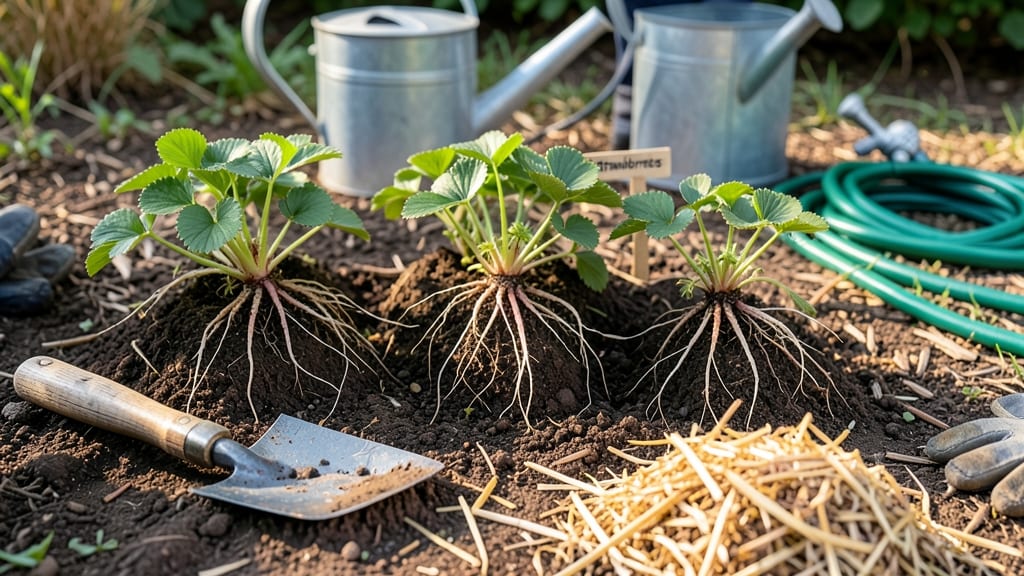
Timing your bare root strawberry 🍓 planting in Zone 8 wrong could mean tiny berries—or no fruit at all. The secret to juicy June-bearing harvests lies in understanding chill hours and the perfect window between late fall and early spring.
Most gardeners in Zone 8 make one critical mistake: planting too early or too late. When you get the timing right, your strawberries will thrive, producing bigger, sweeter berries all season. I’ll show you exactly when to plant for maximum yield—and how to avoid common pitfalls that waste your effort.
Whether you’re a first-time planter or a seasoned gardener, knowing the chill-hour requirements for your specific strawberry variety is the key to success. Let’s break down the science behind it and give you a clear planting schedule tailored for Zone 8’s mild winters.
You’ll discover the best months to plant, how to prepare your soil, and what to watch for after planting to ensure your strawberries get off to a strong start. Ready to grow the best strawberries of your life? Let’s get started.
Zone 8 chill-hour requirements for June-bearing strawberries: what you need to know
June-bearing strawberries in Zone 8 thrive when they receive 300-500 chill hours—a critical window that triggers fruit production. Without enough cold exposure, your plants may produce fewer berries or none at all.
This range ensures your strawberries break dormancy at the right time for optimal growth and June harvests.
Chill hours are calculated by tracking temperatures between 32°F and 45°F (0°C–7°C). For example, a 40°F night counts as one chill hour, while a 35°F night counts as two. Zone 8’s mild winters often fall short of 500 hours, which is why timing is everything for June-bearing varieties.
Your local chill accumulation depends on winter patterns. Areas with colder winters (e.g., Zone 8a) may hit 500+ hours, while milder Zone 8b regions might only reach 300-400. Planting too early in a mild winter risks premature budding and frost damage, while waiting too long delays fruit set.
Here’s how to match your planting window to chill hours in Zone 8:
| Chill Hour Range | Best Planting Window | Zone 8 Winter Type | Fruit Set Risk |
|---|---|---|---|
| 300-400 hours | Late January–February | Mild (Zone 8b) | Low (if planted early) |
| 400-500 hours | December–early January | Moderate (Zone 8a) | Moderate (frost risk) |
| 500+ hours | November–December | Cold (Zone 8a) | High (if planted late) |
If your winter typically delivers 300-400 chill hours, aim for late January planting to avoid early budding. For 400-500 hours, plant in December to ensure enough cold exposure before spring warmth.
Use a chill-hour calculator (like the one from your local Cooperative Extension Service) for precise local data.
Timing also affects root establishment. Bare root strawberries need 4-6 weeks to develop roots before active growth. Planting in late winter gives roots time to anchor before March warmth triggers flowering. If you plant too late (e.g., March), roots may struggle to support fruit production.
For June-bearing varieties, chill hours directly impact fruit set. Insufficient chill hours can lead to poor pollination or small berries. For example, Chandler or Seascape varieties need 400+ hours for reliable yields.
If your area rarely hits this, consider everbearing varieties like Albion, which tolerate lower chill hours.
Monitor your local weather forecasts for frost warnings after planting. A late frost can damage emerging foliage. Use row covers or mulch to protect plants until they’re 4-6 inches tall. In Zone 8b, where winters are milder, February planting is often the safest bet.
Pro tip: Plant bare root strawberries on a cloudy day to reduce transplant shock. Keep roots moist with a rooting hormone and water deeply after planting. This ensures your plants focus on root growth rather than flowering too soon.
Understanding chill hours isn’t just about when to plant—it’s about maximizing your harvest. With the right timing, your June-bearing strawberries will reward you with sweet, abundant berries all season long. 🍓
Exact planting dates for Zone 8: when to plant bare root strawberries for maximum yield
Timing is everything when planting bare root strawberries in Zone 8. The ideal window spans from late fall to early spring, but your exact timing depends on your local chill hours and variety.
For June-bearing types, aim for 300-500 chill hours—this ensures proper fruit set and a bountiful harvest. Planting too early risks frost damage, while waiting too long may delay growth and reduce yields.
Your Zone 8 climate offers flexibility, but precision matters. Mild winters mean you can extend planting into early February, while colder microclimates may benefit from a November start. Below, I’ve broken down the best months for planting, including soil prep tips and root inspection tricks to maximize success.
- 📅 November: Plant early varieties (e.g., 'Chandler') if your area experiences early frosts. Soil temps should be 40-50°F.
- 📅 December: Avoid planting if ground is frozen. Focus on soil prep—amend with compost and mulch to protect roots.
- 📅 January: Best window for most Zone 8 growers. Plant after last frost (typically mid-January) when soil is workable.
- 📅 February: Plant late varieties (e.g., 'Seascape') by early February. Ensure no frost is forecasted for 2 weeks.
⚠️ Risk Assessment: Planting outside these windows may lead to poor root establishment or heat stress before flowering.
Before planting, inspect your bare root strawberries for firm, white roots and avoid any with brown, mushy roots—these signal rot. Soak roots in lukewarm water for 30 minutes to rehydrate before planting.
In well-draining soil, dig holes wide enough to spread roots without crowding, and place the crown 1/2 inch above soil to prevent rot.
Adjust your schedule if you’re using day-neutral varieties, which tolerate wider planting windows. These can go in as late as March, but June-bearing types demand stricter timing.
Always check your local frost dates—Zone 8’s last frost varies from mid-December to early February, depending on elevation and proximity to coasts.
After planting, mulch with straw or pine needles to retain moisture and suppress weeds. Water deeply once a week (more in dry spells) to encourage strong root growth. By following this schedule, you’ll set your strawberries up for a productive first year and years of harvests to come.
Pro tip: Mark your planting dates on a calendar and track chill hours using a local weather app. This ensures you’re always one step ahead of your strawberries’ needs—because in gardening, timing truly is everything. 🌱