
Plants
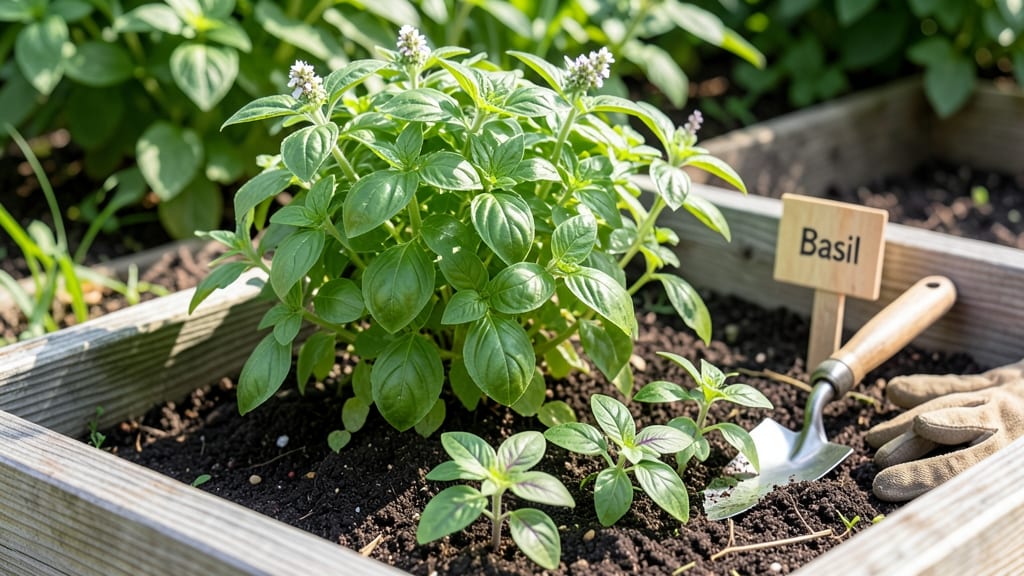
Planting your 🌿 basil at the wrong time in Georgia could mean watching your hard work wilt before it even gets a chance to thrive.
The key to a bountiful harvest lies in understanding your local heat zones and frost dates—because those 210 frost-free days make all the difference between a thriving herb garden and a sad, bolted disappointment.
Most Georgia gardeners know basil is a summer favorite, but did you know it actually prefers cooler fall temperatures? That’s why timing your mid-March to early April or late August plantings is critical—especially in zones 7b-8b, where a single late frost can turn your seedlings into confetti.
I’ve learned the hard way that rushing it leads to leggy, weak plants that never recover.
What if I told you there’s a way to stretch your basil’s growing season for months longer? Whether you’re growing it outdoors or starting seeds indoors, the right techniques can turn your garden into a year-round basil powerhouse.
Let’s dive into the exact planting schedule and tricks that’ll keep your plants happy from seed to harvest.
From protecting tender seedlings to choosing the best varieties for Georgia’s heat, I’ll walk you through every step so you can enjoy fresh basil from June through November—no matter what surprises the weather throws your way. Ready to master the art of timing?
Georgia’s basil planting timeline by heat Zone (avoid frost & bolting)
Georgia’s USDA heat zones 7a-8b create unique challenges for growing basil—late frosts in the north and scorching summers in the south. Getting the timing right means avoiding frost damage in spring and premature bolting in summer.
Whether you're planting Genovese for pesto or Thai basil for spicy dishes, these zone-specific guidelines will help you harvest fresh leaves all season.
Basil thrives as an annual in Georgia, meaning it completes its life cycle in one growing season. However, with strategic planting, you can enjoy basil from late spring through fall.
The key is aligning your planting windows with last frost dates and soil temperatures—both critical for seed germination and seedling survival. In Zone 7a, you’ll have about 180 frost-free days, while Zone 8b enjoys 240+ days of warmth.
Here’s your heat zone breakdown for planting basil in Georgia, including ideal transplant dates, fall planting windows, and tips to extend your harvest. Use this as your go-to reference before reaching for those seeds!
| Heat Zone | Last Frost Date | Ideal Planting Window | Fall Planting Window | Key Tip |
|---|---|---|---|---|
| 7a (North GA) | March 15 | April 15–May 1 | August 20–September 10 | Use row covers for early spring |
| 7b (Central GA) | March 1 | April 1–April 15 | August 10–September 1 | Start seeds indoors 4 weeks early |
| 8a (South GA) | February 15 | March 15–April 1 | July 20–August 15 | Shade cloth for summer heat |
| 8b (Coastal GA) | February 1 | March 1–March 15 | July 1–July 15 | Year-round harvest possible |
For Zone 7a gardeners in northern Georgia, like those in Dahlonega or Blue Ridge, the window for planting basil is tight. Wait until April 15 to transplant seedlings outdoors after the last frost date.
If you start seeds indoors in March, use grow lights to prevent leggy seedlings. In Zone 8b, such as Savannah or Brunswick, you can push the envelope further—plant as early as March 1 and enjoy a fall crop until November.
Basil hates cold soil, so always check soil temperatures with a soil thermometer. Aim for 50°F (10°C) or warmer before planting. In cooler zones like Zone 7a, consider a cold frame or black plastic mulch to warm the soil faster.
Pro tip: Mix compost into your planting bed to improve drainage and retain moisture—basil roots are sensitive to soggy soil.
If you miss the spring window, don’t despair! Georgia’s fall planting is your second chance for a harvest. In Zone 7a, aim for late August to give plants time to mature before first frost in mid-November.
For Zone 8b, you can plant as late as early October and still enjoy basil until December. Just be prepared to use row covers if temperatures dip below 50°F (10°C) at night.
One common mistake is planting basil too early in Zone 8b, where heat stress can cause bolting. If your plants flower prematurely, they’ll lose their aromatic flavor. To prevent this, choose heat-tolerant varieties like Thai basil or Lemon basil
How to extend basil’s growing season in Georgia’s harsh climate
Georgia’s unpredictable temperature swings can turn your basil from thriving to struggling in days. Late frosts in spring and scorching heat in summer both threaten your harvest, but with the right strategies, you can extend basil’s growing season by weeks—or even months.
The key is protecting your plants from extreme cold and heat stress while keeping them productive.
I’ve grown basil in USDA zones 7b-8b for years, and these methods have saved my plants from frost damage and early bolting. Whether you’re dealing with mountain microclimates in North Georgia or humid heat in the Coastal Plain, these techniques will help you harvest fresh basil year-round.
🌱 5 Proven Ways to Extend Basil’s Growing Season in Georgia
- 📅 Start seeds indoors 6-8 weeks before last frost (mid-January) for early transplants.
- 🛡️ Use floating row covers or cold frames to protect seedlings from late frosts (below 32°F).
- 🌡️ Hardening off seedlings gradually (7-10 days) before transplanting to avoid shock from temperature swings.
- 🌿 Succession plant every 2-3 weeks from April to July for continuous harvests.
- 🌞 Provide afternoon shade in summer (use shade cloth) to prevent heat stress when temps exceed 90°F.
For late-spring frosts, I swear by hoop houses or low tunnels covered with frost cloth. These create a 5-10°F warmer microclimate, giving your basil a fighting chance.
In my Zone 7b garden, this has let me transplant seedlings as early as mid-March without losing plants to 28°F dips.
When summer’s oppressive heat arrives, basil can bolt prematurely or develop bitter leaves. My solution? Drip irrigation paired with mulch keeps roots cool and soil moist. I also prune aggressively to encourage bushier growth—cutting back by ⅓ when plants hit 12 inches keeps them productive longer.
In southern Georgia (Zone 8b), I’ve even grown basil through mild winters by moving potted plants to a sunny garage or greenhouse when nights dip below 40°F. With grow lights and careful watering, I’ve harvested fresh basil in December—a game-changer for holiday cooking!
Don’t forget succession planting: Sow new seeds every 2-3 weeks from April through July to ensure a steady supply. This works especially well with fast-maturing varieties like Genovese or Thai basil, which can go from seed to harvest in just 45 days.
Pair this with container gardening for flexibility—move pots to shadier spots when needed.