
Plants
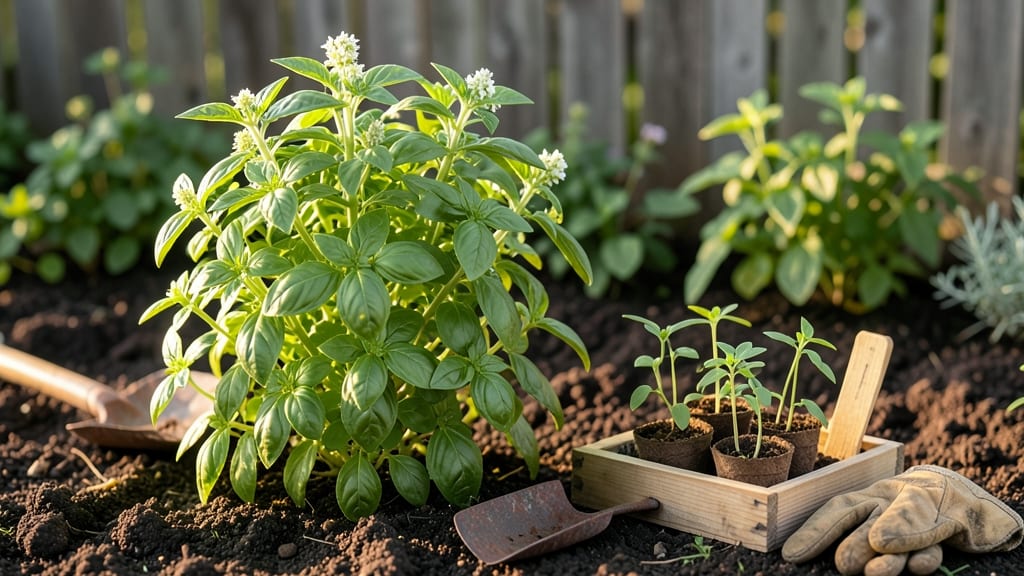
Planting basil in Maryland at the wrong time can turn your garden dreams into a sad, wilty mess—but timing it right means lush, aromatic harvests all summer long.
The key? Waiting until after the last frost date (around April 15) when soil warms to at least 50°F, giving your 🌿 basil the perfect start.
Maryland’s Zone 7a-8a climate gives you a narrow window to work with, so knowing exactly when to plant makes all the difference. Whether you’re starting seeds indoors or transplanting seedlings, getting the timing right ensures your basil thrives from June through October.
I’ve learned the hard way that rushing basil into cold soil leads to stunted growth, while waiting too long cuts your harvest short. That’s why I’ll walk you through the best methods—indoor starts, direct sowing, and even container planting—to maximize your basil’s potential in Maryland’s unpredictable spring.
Let’s dive into the exact steps to plant basil so you can enjoy fresh, flavorful leaves without the frost-related heartbreak. Your garden (and your pesto) will thank you!
Maryland basil planting timeline: avoiding last-frost risks in Zone 6b
Maryland gardeners know that timing is everything when it comes to basil—especially in Zone 6b, where late spring frosts can strike unexpectedly. The average last frost date in Maryland falls around April 15th, but this can shift by weeks depending on your exact location.
For a zero-frost harvest, you’ll need to plan carefully, whether you're starting seeds indoors or transplanting seedlings.
Basil thrives when soil temperatures stay above 50°F (10°C) consistently. If you plant too early, your seedlings will suffer from cold soil shock, leading to stunted growth or even death.
The key is to wait until both the air and soil are reliably warm enough to support healthy germination and growth.
| Planting Stage | Action | Timing | Notes |
|---|---|---|---|
| Indoor Seed Start | Sow seeds 6-8 weeks before last frost | Early February to March | Use grow lights for 12-14 hours/day |
| Hardening Off | Acclimate seedlings to outdoor conditions | 2 weeks before transplanting | Start with 1-2 hours/day, gradually increase |
| Transplant Outdoors | Move seedlings after last frost | Mid-April to May 15 | Wait for soil temps ≥50°F (10°C) |
| Direct Sowing | Plant seeds after last frost | Late April to May | Soil must be warm and moist |
| Frost Protection | Use row covers or containers | April-May or October | Extend season by 2-4 weeks |
| Harvest Window | Begin harvesting leaves | June-October | Pick before flowers appear for best flavor |
For gardeners eager to get a head start, indoor seed starting in early February gives you a jump on the season. Basil seeds germinate best in warmth (70-80°F), so a seedling heat mat or warm windowsill works wonders.
Once your seedlings have 2-3 true leaves, they’re ready for transplanting—but only after the last frost has passed.
If you prefer direct sowing, wait until late April or early May when soil temperatures consistently stay above 50°F (10°C).
Maryland’s Zone 6b climate means you can push your luck slightly later than other regions, but don’t risk it—basil is a tropical plant at heart and won’t tolerate cold well.
To extend your growing season, consider using row covers or containers that can be moved indoors during cold snaps. Containers are especially useful because you can bring them inside if frost is forecasted, giving your basil a fighting chance to survive unexpected late-spring frosts or early fall freezes.
One common mistake is planting basil too early in hopes of a longer harvest. Cold soil delays germination, and seedlings planted too soon may become leggy or weak. Always test soil temperature with a thermometer—it’s the most reliable way to ensure your basil gets off to a strong start.
For container gardeners, 5-gallon pots or larger provide enough space for basil to thrive. Place containers in a sunny spot where they can be easily moved if frost threatens. Basil’s shallow root system makes it adaptable to containers, but ensure good drainage to prevent root rot from overwatering.
If you’re in a cooler microclimate within Maryland, like the higher elevations of Western Maryland, err on the side of caution and wait until mid-May to plant. Coastal areas, on the other hand, may see warmer soil temperatures earlier, allowing for earlier planting in late April.
Remember, basil is a fast-growing annual, and the sooner you get it in the ground after the last frost, the sooner you’ll enjoy fresh leaves for pesto, salads, and more.
With the right timing and a little frost protection, you can enjoy basil from June through October—or even longer with careful planning!
Indoor starts vs. direct sowing: which basil planting method wins in Maryland?
Maryland’s short growing season and unpredictable spring frosts make choosing the right basil planting method critical. Should you start seeds indoors 6-8 weeks early or sow directly outdoors after the last frost? Both methods work, but each has trade-offs for Zone 6b gardeners like us.
I’ve tested both approaches in my Maryland garden, and while direct sowing saves time, indoor starts give you a head start on the season. The key is matching your method to your local frost dates and garden conditions.
Let’s break down the pros and cons so you can decide what works best for your basil harvest.
Indoor Starts vs. Direct Sowing for Maryland Basil
Indoor Starts
- Pros: Earlier harvest, longer growing season
- Pros: More control over seedling health
- Pros: Better for slow-starting Maryland springs
- Cons: Requires grow lights or sunny windows
- Cons: Hardening off process needed (7-10 days)
- Cons: Higher risk of damping off if overwatered
Direct Sowing
- Pros: No transplant shock risk
- Pros: Simpler process (just sow after frost)
- Pros: Better for container gardens or small spaces
- Cons: Slower growth in cool Maryland soil
- Cons: Limited by last frost date (April 15+)
- Cons: More vulnerable to pests and disease
🌱 Best for Maryland: Indoor starts if you want a longer harvest, direct sowing if you prefer simplicity and have warm soil early.
If you choose indoor starts, begin seeds 4-6 weeks before your last frost date (around March 1 in Maryland). Use seed-starting trays with well-draining soil and keep them in a warm spot (70-75°F).
Once seedlings have 2-3 true leaves, harden them off by placing them outdoors for 2-3 hours daily, gradually increasing exposure over 7-10 days.
For direct sowing, wait until after May 1 (when soil temps hit 50°F+) to plant seeds 1/4 inch deep, spaced 12-18 inches apart. Thin seedlings to the strongest 3-4 plants per foot to prevent overcrowding.
I’ve found that container-grown basil thrives with direct sowing because pots warm up faster than garden beds in Maryland’s cool springs.
Pro tip: Use row covers or cold frames to extend your direct-sown basil’s growing season by 2-3 weeks in early spring. This gives you a longer harvest window without the hassle of indoor starts. Just remove covers when temps rise above 75°F to avoid heat stress.
No matter which method you choose, consistent moisture and full sun (6+ hours daily) are non-negotiable for Maryland basil. I’ve lost more plants to drought stress than frost—so mulch well and water deeply in the morning to keep roots happy.
With the right timing, you’ll be harvesting flavorful basil from June through October—no sad, crispy memories here! 🌿