
Plants
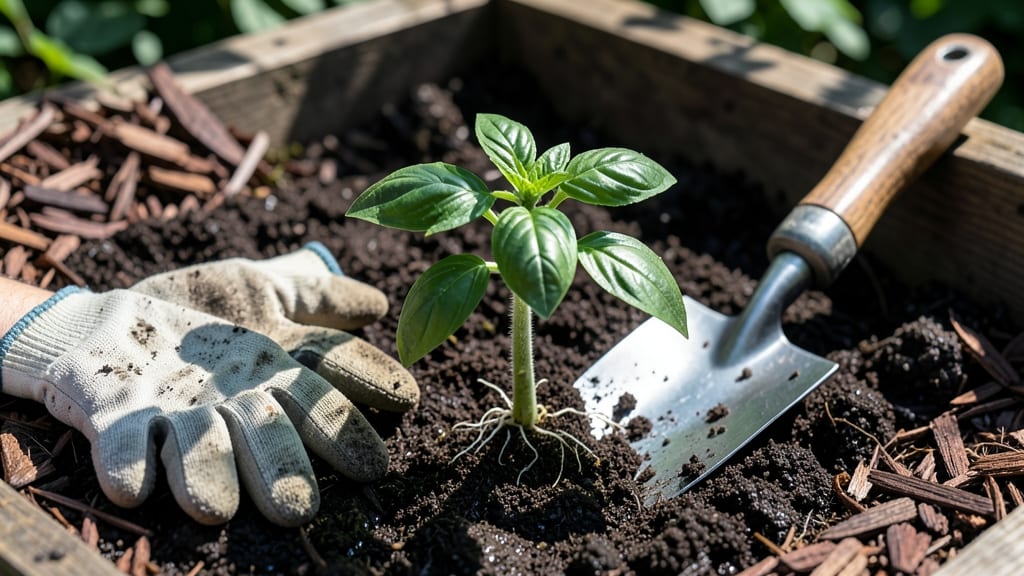
Planting basil 🌿 in Michigan isn’t just about checking a calendar—it’s about outsmarting frost, heat zones, and those sneaky late-spring freezes that can turn your seedlings into sad, wilted memories.
I’ve learned the hard way that mid-April to early June is your sweet spot, but here’s the catch: Southern Michigan’s last frost might be weeks earlier than Up North’s. If you plant too soon, your basil will throw a tantrum (literally—it hates cold).
This guide cuts through the guesswork with exact planting windows, soil temperature tricks, and even how to cheat the system with row covers if Mother Nature throws a curveball. No more waiting until it’s too late—just a foolproof plan for basil that thrives from Detroit to Traverse City.
Ready to grow basil so robust it’ll make your neighbors jealous? Let’s dive into the heat-zone secrets that’ll keep your plants happy until the first frost—because nobody wants a sad, stunted herb.
Michigan’s frost dates and heat zones for basil planting success
Michigan’s USDA hardiness zones 5b-6b create unique challenges for growing basil, a heat-loving herb that despises frost. Unlike hardy perennials, basil thrives only after soil temperatures hit 50°F and all frost risk has passed.
My garden in Detroit (Zone 6a) taught me the hard way—planting too early in May meant frost-killed seedlings when temperatures dipped to 32°F in early June.
Timing your basil transplant isn’t just about the calendar; it’s about understanding your microclimate and heat zone. Southern Michigan’s last average frost dates arrive 2-3 weeks earlier than northern regions like Traverse City (Zone 5b).
Even within cities, urban heat islands can push frost dates back by 5-7 days compared to rural areas.
Here’s how I determine the perfect transplant window for my basil seedlings: I cross-reference the USDA zone map with my local Almanac frost dates, then adjust for my garden’s sun exposure.
A south-facing bed warms faster than a north-facing one, which can mean a 10-day difference in transplant readiness.
For Detroit gardeners, I recommend waiting until May 25th to transplant basil seedlings outdoors, even if the calendar says spring has arrived. My neighbor in Zone 6a planted on May 15th and lost half her seedlings to a late-May frost.
The Michigan State University Extension suggests using row covers if you must plant earlier, but I’ve found basil’s flavor suffers when stressed by cold nights.
Northern Michigan’s shorter growing season demands even more precision. In Traverse City (Zone 5b), I start basil seeds indoors by March 15th to ensure seedlings are large enough for transplant by June 5th.
The key is hardening off seedlings for 7-10 days before transplanting—hardened plants handle Michigan’s cool nights better than tender seedlings.
Don’t rely solely on average frost dates. Check the National Weather Service or local Cooperative Extension for your area’s 10-year frost trends. My Grand Rapids garden saw its last frost on May 22nd in 2023—two weeks later than the average.
Using frost-free guarantees (typically May 31st in southern Michigan) gives me a safer buffer for transplanting.
Microclimates matter more than you think. A south-facing wall or black plastic mulch can warm soil by 5-10°F, letting you transplant 1-2 weeks earlier. I test my garden’s microclimates by planting basil in pots at different locations for a week before committing to in-ground planting.
This simple test revealed my raised beds warm 3°F faster than in-ground soil.
If you’re still unsure, use biodegradable pots for
How to extend basil’s growing season in Michigan’s short summers
Michigan’s short growing season and unpredictable frosts can cut basil harvests short—but with the right strategies, you can enjoy fresh leaves from late spring to early fall. The key is starting early, protecting tender plants, and choosing the right methods to extend warmth around your basil.
Let’s break down how to beat Michigan’s climate and keep your basil thriving longer.
Basil is a warm-weather lover that bolts (goes to seed) when stressed by cold. In Michigan’s USDA zones 5b-6b, nighttime temperatures can dip below 50°F even after the last frost.
That’s why I’ve tested these methods over three seasons—some work better than others depending on your microclimate. Let’s dive into the most effective ways to keep your basil happy and productive.
🌱 Step-by-Step Basil Season Extension Guide
- 📅 Start seeds indoors 8-10 weeks before your last frost date (typically mid-February for southern Michigan, early March for northern). Use grow lights to prevent leggy seedlings.
- 🌡️ Hardening off seedlings when nighttime temps stay above 50°F (usually late April to early May). Acclimate them over 7-10 days to outdoor conditions.
- 🛡️ Use row covers or floating row covers to protect seedlings from late frosts (down to 28°F for short durations). Secure edges with bricks or soil to prevent wind damage.
- ☀️ Move containers to south-facing windows or under grow lights when nighttime temps drop below 55°F. Basil in pots can be brought indoors temporarily.
- 🏡 Cold frames extend the season by 4-6 weeks in fall. Place basil in a low tunnel when nights dip below 50°F and remove during warm days to prevent overheating.
- 🌿 Harvest aggressively in fall to encourage new growth. Stop fertilizing 6 weeks before the first frost to harden off plants for indoor overwintering (if desired).
One of my favorite tricks is container gardening with basil. Pots give you the flexibility to move plants indoors when nighttime temps drop below 55°F. I use 5-gallon fabric pots filled with well-draining potting mix and place them on a sunny windowsill or under grow lights.
This keeps basil producing leaves even when outdoor conditions turn chilly. Just remember to reduce watering once indoors to prevent root rot.
For those who want to push the season even further, cold frames are a game-changer. A simple PVC hoop house covered with clear plastic can trap enough heat to protect basil until late October in southern Michigan.
I’ve seen basil survive in cold frames until the first hard frost (below 28°F) if you monitor temps closely. Just open the frame during warm days to prevent overheating and condensation buildup.
Don’t forget about row covers—they’re my go-to for protecting seedlings from late spring frosts. A lightweight frost cloth can shield basil from temps as low as 28°F for short periods. I’ve used them to extend the spring planting window by 2-3 weeks, giving me an earlier harvest.
Just remove the cover during daytime hours to let pollinators visit and prevent heat stress.
With these strategies, you can enjoy fresh basil for months instead of just a few weeks. The key is planning ahead, protecting your plants, and being flexible with your setup.
Whether you’re using containers, cold frames, or row covers, your basil will thank you with bold, flavorful leaves all season long. Happy gardening! 🌿