
Companion Plants
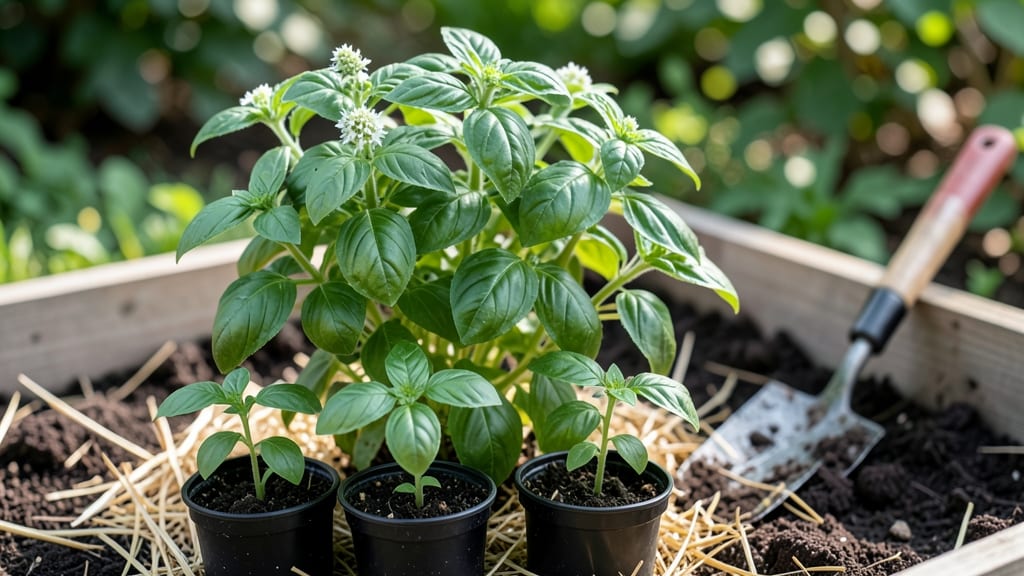
Planting basil in Pennsylvania isn’t just about waiting for spring—it’s about timing it perfectly to avoid bolting or stunted growth from late frosts. The exact window shifts from Pittsburgh’s cooler valleys to Philadelphia’s urban heat islands, where soil warms weeks earlier.
Get this wrong, and your 🌿 basil could flower before you even harvest a leaf, turning sweet herbs into bitter disappointment.
Most gardeners in PA’s USDA Zones 5b-7a assume mid-May is safe, but the real magic happens when soil hits 50°F—and that date varies by 10 days across the state.
Whether you’re in Erie’s lake-breeze zone or Scranton’s high-elevation chill, knowing your microclimate’s last frost risk (typically April 15) is the difference between thriving plants and wasted effort.
In this guide, I’ll break down the precise planting dates for your corner of PA, plus pro tips to stretch your basil season—from container hacks for city balconies to succession planting tricks that keep your kitchen stocked until October. No more guessing games, just data-driven success for your garden.
Ready to grow basil that’s lush, aromatic, and ready to harvest by June? Let’s dive into the microclimate-specific strategies that’ll make your PA garden the talk of the neighborhood.
Pennsylvania’s basil planting zones: exact dates by USDA Zone and microclimate
Pennsylvania’s USDA Zones 5b-7a create a patchwork of planting opportunities, but microclimates like urban heat islands in Philadelphia or lake-effect cooling near Erie can shift your ideal window by weeks. The key? Timing basil after your last average frost date—but with a buffer for late surprises.
In Zone 5b, that’s typically May 1-15, while Zone 7a gardeners can start as early as April 15.
Don’t rely solely on USDA zones—Pittsburgh’s valleys can be 3-5°F warmer than surrounding areas, while Erie’s lake breezes may delay planting by 10 days. For high-elevation regions like Scranton, add 2 weeks to standard dates. Always check your local Penn State Extension frost maps for real-time adjustments.
Here’s your microclimate-specific planting guide, including buffer periods to account for late frosts. Use this as your baseline, then adjust based on your yard’s unique conditions—like south-facing walls that warm soil faster or shaded corners that stay cooler.
For Zone 5b gardeners in Erie, wait until May 15—lake breezes can linger into early May, and planting too soon risks frost damage. Test your soil temperature with a soil thermometer; basil thrives when soil hits 50°F+.
In Philadelphia’s urban heat islands, you might see 2-3°F warmer microclimates near pavement, allowing earlier planting.
If you’re in a mountain valley like Pittsburgh’s South Hills, soil warms faster than surrounding areas. Start seeds indoors 4-6 weeks before your target date, then transplant when night temps stay above 55°F.
For high-elevation areas (e.g., Scranton), delay outdoor planting until June 1 to avoid late frosts.
Pro tip: Use biodegradable seed pots to transplant basil seedlings without disturbing roots. This minimizes shock when moving from indoor starts to your garden. Pair basil with tomatoes or peppers—their shared sunlight needs make them perfect companions, and the basil deters pests like aphids.
Watch for false springs—a warm spell in March or April can fool you into planting too early. Always have row covers ready to protect young plants if temperatures dip below 40°F.
In Zone 7a, you can even try succession planting every 2 weeks from April through June for a continuous harvest.
For container gardeners, black pots absorb heat faster than terracotta, giving you a 5-7 day head start. Place containers near south-facing walls or on patios with afternoon sun to maximize warmth.
If your balcony faces north, opt for dwarf varieties like ‘Spicy Globe’, which tolerate partial shade better.
Remember: Basil bolts (prematurely flowers) when stressed by heat or drought. In
How to extend your basil season in Pennsylvania: cold frames, containers, and succession planting
Pennsylvania’s short growing season and unpredictable late frosts can cut basil harvests short—but with the right strategies, you can enjoy fresh Genovese or Sweet basil from May through October.
The key lies in microclimate mastery, whether you're battling Erie’s lake breezes or Scranton’s high-elevation chill. Let’s explore three proven tactics to push your basil’s limits.
First, cold frames are game-changers for Zone 5-6 gardeners like those in State College or Wilkes-Barre. These low-cost, transparent enclosures trap solar heat while allowing light through, extending the season by 4-6 weeks on either end.
Pair them with black plastic mulch to warm soil faster in spring, or use them to overwinter basil in mild winters like those near Philadelphia.
- Cold Frames: Start seedlings 4 weeks earlier in spring (early March) or harvest 2 weeks later in fall (early November) in Zone 5-6. Use vents to prevent overheating above 85°F.
- Containers: Urban gardeners in Pittsburgh or Allentown can use 5-gallon pots to move basil to sunniest spots or patios during heatwaves. Dark containers absorb heat faster in spring.
- Succession Planting: Sow new seeds every 2 weeks from May to July. In Erie, stagger plantings to avoid bolting from sudden heat spikes. Use shade cloth (30%) for seedlings in July-August.
For urban gardeners or those with limited space, container growing is your best bet. Basil thrives in 5-gallon pots with well-draining potting mix, and containers let you relocate plants to follow the sun or escape midday heat.
In Philadelphia’s urban heat island, containers can stay 10°F warmer than in-ground soil—ideal for late-season harvests. Just ensure pots have drainage holes to prevent root rot from Pennsylvania’s humid summers.
Finally, succession planting ensures a continuous harvest by staggering sowings. In Erie’s cooler climate, start with indoor seeds in March, transplant outdoors after May 15, and sow new batches every 2 weeks until July 1.
This method works especially well for Thai basil, which bolts faster than Genovese in Pennsylvania’s heat. Always harden off seedlings for 7-10 days before transplanting to avoid shock.
Don’t overlook companion planting to protect your extended-season basil. Pair it with tomatoes (both love similar conditions) or bush beans to deter pests like spider mites. In Scranton’s high-elevation gardens, surround basil with marigolds to repel whiteflies, a common issue in July-August.
With these tactics, you’ll enjoy fresh basil from late spring to early fall, no matter your PA microclimate.
Ready to test these methods? Start with one tactic this season—whether it’s a DIY cold frame or a container setup on your balconydiverse growing conditions mean there’s no one-size-fits-all solution, but with these strategies, you’ll find what works best for your local climate.