
Plants
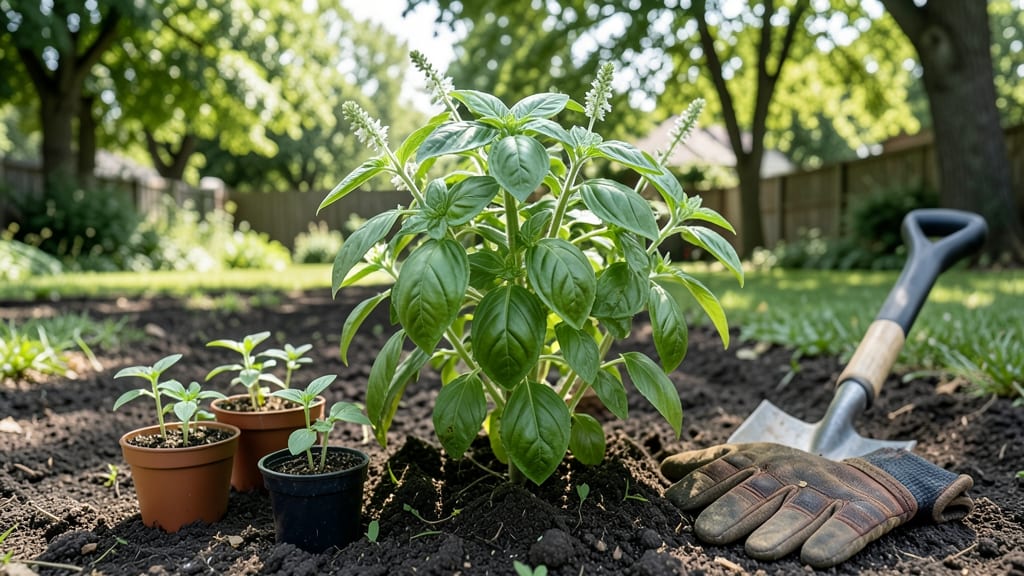
Planting basil in North Carolina at the wrong time can turn your garden dreams into a bitter disappointment—especially when heat and frost play tricks on your timing.
The key to avoiding bolted, flavorless leaves lies in knowing exactly when to plant 🌿 basil in your specific heat zone, whether you're in Raleigh's humid summers or the cooler mountain regions.
Most gardeners in NC wait until after the last frost, but that's just the starting point. The real secret is matching your planting window to soil temperatures and regional microclimates that keep your basil thriving from June through October.
I'll show you how to navigate NC's 6a-8b zones without guessing whether your basil will bolt before you even get to harvest time.
Whether you're starting seeds indoors or sowing directly into garden beds, understanding the 45-day growth window before harvest is everything. We'll cover container gardening hacks for late starts, shade cloth solutions for hot afternoons, and why NC State Extension recommends specific soil temps for optimal growth.
Ready to grow basil that tastes like summer all season long? Let's dive into the exact planting dates, heat zone considerations, and pro tips that'll have you harvesting fresh leaves from June through October—no bitter surprises included.
North Carolina heat zones and basil planting dates by region
North Carolina’s diverse climate—from the cool mountain air of Asheville to the humid coastal breezes of Wilmington—means your basil’s success hinges on precise timing. The state spans USDA zones 5b to 8a, creating wildly different frost dates and heat thresholds.
Plant too early, and a late frost will kill your seedlings; too late, and your basil bolts into flower before you harvest a single leaf. Let’s break down the exact windows for each region to avoid these pitfalls.
Basil thrives in warm soil (50°F+) and consistent heat (70°F+), but NC’s microclimates complicate things. Coastal areas like Morehead City can plant basil as early as March 15, while Mount Mitchell (zone 5b) must wait until May 1.
The key is aligning your planting with your last frost date and heat tolerance thresholds—basil bolts when days stretch past 14 hours of sunlight, typically in late June.
📌 PRO TIP: Use NC State Extension’s frost date maps to pinpoint your exact window. For most gardeners, the April 15–May 15 range covers zones 6a–7b, but coastal and piedmont regions can start earlier. Let’s dive into the specifics for your area.
| Region | USDA Zone | Last Frost Date | Ideal Planting Window | Heat Threshold for Bolting |
|---|---|---|---|---|
| Coastal (Wilmington, Morehead City) | 8a | March 15 | March 15–April 15 | Bolts by June 15 |
| Piedmont (Raleigh, Durham) | 7b | March 30 | April 1–April 30 | Bolts by June 20 |
| Charlotte Metro | 7a/7b | April 5 | April 15–May 1 | Bolts by June 25 |
| Mountains (Asheville, Boone) | 6b/7a | May 1 | May 1–May 15 | Bolts by July 1 |
| High Country (Mount Mitchell) | 5b | May 15 | May 15–June 1 | Bolts by July 10 |
If you’re in zone 8a (coastal NC), you can push basil as early as mid-March, but be ready to protect seedlings with frost cloth if temperatures dip.
The piedmont region (Raleigh, Charlotte) should aim for April 15–May 1, while mountain gardeners (Asheville, Boone) must wait until May 1 to avoid frost damage. The high country (zone 5b) has the shortest window—plant no later than June 1 to harvest before bolting.
Basil’s heat tolerance threshold is critical: once days exceed 14 hours of sunlight, most varieties bolt. In zone 8a, this happens by mid-June, while zone 5b may have until early July.
To delay bolting, use shade cloth (30–50%) in peak afternoon sun or opt for Genovese or Purple Ruffles, which bolt slightly later than standard varieties.
For container gardening, coastal gardeners
How to extend basil’s growing season in North Carolina without bolting
North Carolina’s short growing season and unpredictable heat waves can cause basil to bolt prematurely, turning your sweet leaves into bitter stalks. The key to success? Strategic planning that keeps your basil thriving from spring to fall.
By using shade protection, container flexibility, and soil temperature control, you can enjoy fresh basil for months without the frustration of early flowering.
I’ve grown basil in Raleigh’s Zone 7b and Asheville’s Zone 6b—both regions demand different approaches. In hotter zones like Charlotte (Zone 8a), basil bolts faster, while cooler mountain areas need extra warmth to germinate. The solution? A multi-pronged strategy that adapts to your microclimate while maximizing your harvest window.
- 🌱 Staggered Planting: Sow seeds every 2 weeks from April 15 to June 1 for continuous harvests. Use biodegradable pots to transplant seedlings without disturbing roots.
- ☀️ Shade Cloth Magic: Install 30-50% shade cloth during 10 AM–4 PM in July–August to prevent bolting. Coastal areas (like Wilmington) need 50% shade due to intense sunlight.
- 🪴 Container Power: Plant basil in 5-gallon pots filled with well-draining potting mix. Move containers to shaded patios or garages during heatwaves (90°F+).
- 🌡️ Soil Temperature Control: Use black plastic mulch to warm soil in spring and reflective mulch (like aluminum) to cool roots in summer. Aim for 60–75°F soil temps.
- 💧 Watering Hacks: Water deeply at soil level (not overhead) to avoid fungal diseases. In Zone 7b+, water daily in AM during droughts to prevent stress-induced bolting.
For late starts (after June 15), focus on container gardening. Basil grows beautifully in hanging baskets or window boxes where you can move it to shaded spots during peak heat.
I’ve had success with Genovese basil in containers, harvesting leaves for 3–4 weeks longer than in-ground plants. Just ensure pots have drainage holes and use a lightweight potting mix.
Another game-changer? Succession planting with slow-bolting varieties like Spicy Globe or Lemon Basil. These types tolerate slightly cooler temps and partial shade better than classic Genovese. Plant a second batch in late July for a fall harvest before the first frost (typically mid-November in most of NC).
Don’t forget to pinch back flowers as soon as they appear—this redirects energy to leaf growth instead of seed production. I’ve extended my harvest by 6–8 weeks using this trick alone.
Combine it with weekly harvesting (never take more than 1/3 of the plant at once), and you’ll enjoy fresh basil until October’s chill.
With these strategies, you’ll turn NC’s short growing season into a basil bonanza. The secret? Adaptability. Watch your microclimate, adjust your methods, and enjoy the sweet, fragrant rewards of a well-timed basil harvest—bolt-free! 🌿