
Plants
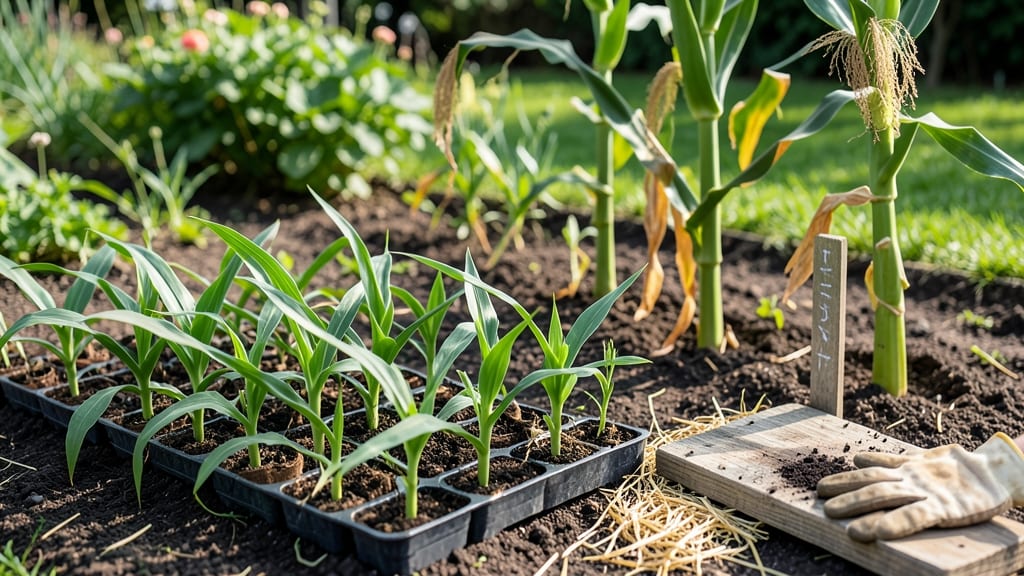
Planting corn in North Carolina at the wrong time can mean the difference between a golden harvest and a sad, stunted crop—especially in USDA Zones 7b and 8a, where heat and humidity collide.
The key isn’t just waiting for spring; it’s knowing when your soil is warm enough to support those towering 🌽 stalks and when the last frost has finally said goodbye.
Most gardeners in North Carolina start planting sweet corn between mid-April and early May, but timing varies by region—Coastal Plain areas can plant a few weeks earlier, while the Mountains may need to wait until late May.
The secret? Soil temperatures above 50°F and a clear window of at least 60 days until the first frost.
If you’re aiming for a summer harvest, don’t stop there—successive plantings every 2-3 weeks can stretch your corn season well into fall. But here’s the catch: planting too late risks corn that’s too tall and prone to lodging before it matures.
I’ll show you exactly how to sync your planting schedule with North Carolina’s microclimates for the best yields.
Ready to grow corn that rivals the cornfields of your childhood? Let’s break down the exact dates, soil prep, and variety choices that work best for your corner of the Tar Heel State—so you can enjoy fresh, homegrown ears from summer through fall.
Optimal corn planting dates in North Carolina by Zone 7b/8a
North Carolina gardeners know that timing is critical for growing corn successfully. In USDA Zones 7b and 8a, the difference between a bountiful harvest and a poor yield often comes down to when you plant.
The state’s diverse microclimates—from the Coastal Plain to the Mountains—mean planting dates can vary by 2-3 weeks even within the same zone.
For most varieties, corn thrives when planted after the last frost date and when soil temperatures reach 60°F (15°C). In Zone 7b, this typically falls between mid-April and late May, while Zone 8a gardeners can start as early as late March in warmer microclimates.
However, these dates shift based on whether you’re growing sweet corn, field corn, or popcorn.
Soil temperature is your best indicator—corn seeds won’t germinate well below 50°F (10°C), and waiting until the soil warms to 60°F (15°C) ensures faster germination and stronger seedlings. In Eastern NC, where humidity is higher, planting too early risks fungal diseases, while Western NC’s drier climate allows for earlier sowing.
| Corn Type | Optimal Planting Window | Soil Temp Threshold | Days to Maturity | Notes |
|---|---|---|---|---|
| Sweet Corn | Zone 7b: April 15–May 15 Zone 8a: March 30–May 1 |
60–65°F (15–18°C) | 60–90 days | Plant in blocks for pollination; succession plant every 2 weeks. |
| Field Corn | Zone 7b: April 1–May 10 Zone 8a: March 15–April 20 |
55–60°F (13–15°C) | 90–120 days | Hardier than sweet corn; tolerates cooler soils. |
| Popcorn | Zone 7b: April 20–May 20 Zone 8a: April 5–May 10 |
60°F (15°C) | 80–100 days | Needs longer growing season; avoid late planting. |
| Transplants | Zone 7b: May 1–May 15 Zone 8a: April 15–April 30 |
60°F (15°C) | Same as direct sow | Use 4–6 week old seedlings; avoid transplant shock. |
Direct sowing is the preferred method for corn in North Carolina, as transplants struggle with root trauma and slower establishment. However, if you’re using transplants, opt for 4–6 week old seedlings hardened off in shade cloth.
Plant them slightly deeper than their nursery pots to encourage root growth.
For Zone 7b, where frost dates can linger into mid-April, err on the side of late planting (after April 15) to avoid cold soil and poor germination.
In Zone 8a, you can push the envelope slightly earlier, especially in southern Piedmont or Coastal Plain areas where microclimates stay warmer.
Succession planting is key for a continuous harvest. In both zones, plant sweet corn every 2 weeks from April to June to stretch your harvest window.
For field corn and popcorn, a single planting in early spring is usually sufficient, but monitor maturity dates to avoid late-season frost risks.
Watch for soil moisture after planting—corn seeds need consistent moisture to germinate, but avoid waterlogged soil, which can cause rot. Mulch with straw or grass
How to adjust planting for North Carolina’s microclimates and corn varieties
North Carolina’s diverse geography—from the Coastal Plain to the Mountains—creates unique microclimates that demand tailored corn planting strategies.
In the Piedmont region, for example, hotter summers and well-drained soils favor early-maturing varieties like Silver Queen, while the Mountains benefit from shorter-season options such as Ambrosia to avoid frost. Understanding these regional differences ensures your corn thrives.
Heat tolerance is critical in NC’s Zone 7b/8a areas. Varieties like Peaches and Cream handle high temperatures better than Golden Bantam, which struggles in prolonged heat above 90°F.
Drought-resistant hybrids such as Pioneer 39T23 are ideal for the Coastal Plain, where summer dry spells are common. Always match your variety to your microclimate for optimal yields.
Succession planting extends your harvest window in NC’s long growing season. Plant early varieties like Early Sunglow in April-May, followed by mid-season types such as Bodacious in June, and late-season varieties like Temptation in July. This staggered approach ensures fresh ears from summer through early fall.
| Region | Best Varieties | Planting Window | Heat Tolerance | Drought Resistance |
|---|---|---|---|---|
| Coastal Plain | Pioneer 39T23, Silver Queen | April-May, July | High | Very High |
| Piedmont | Peaches and Cream, Bodacious | April-June | Moderate-High | Moderate |
| Mountains | Ambrosia, Early Sunglow | May-June | Low-Moderate | Low |
Soil temperature is another critical factor. Corn seeds need soil at least 60°F to germinate. In the Coastal Plain, this typically occurs by mid-April, while the Mountains may wait until late May.
Use a soil thermometer to confirm readiness—planting too early in cold soil leads to poor germination and stunted growth.
For extended harvests, prioritize succession planting every 2-3 weeks after your first planting. In the Piedmont, this means starting with early-maturing varieties in April and ending with late-season types in July. Always space plantings 10-14 days apart to stagger maturity and avoid gluts.
Adjust watering based on your microclimate. The Coastal Plain may need drip irrigation during dry spells, while the Mountains often receive ample rainfall. Mulch with straw or grass clippings to retain moisture and suppress weeds—critical in NC’s humid climate where fungal diseases thrive.