
Plants
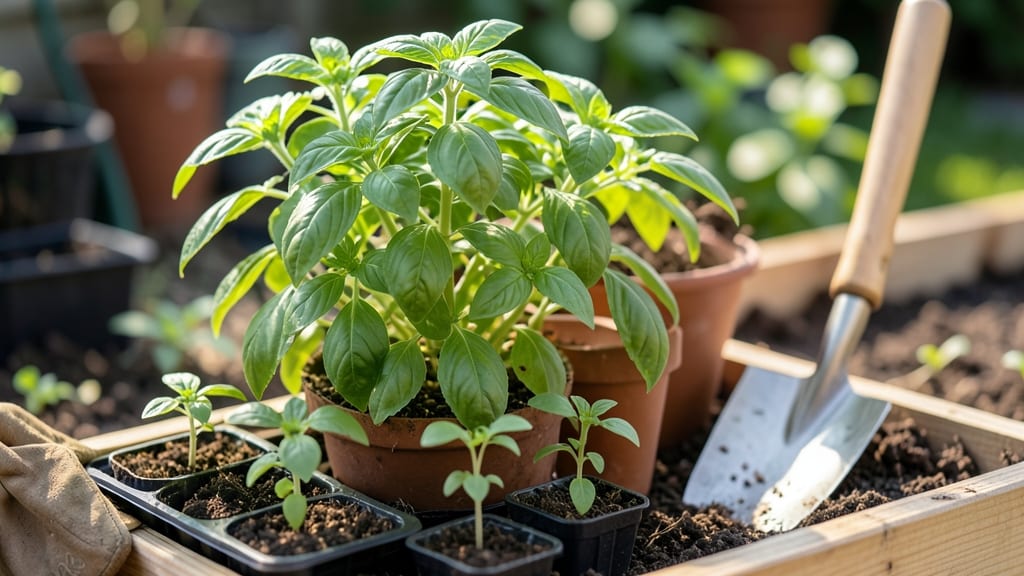
Planting basil in Oklahoma at the wrong time can turn your fresh herb dreams into a bitter disappointment—especially when those 90°F+ summers arrive faster than you expect.
The key to growing lush, flavorful 🌿 basil all season isn't just luck; it's knowing exactly when to get those seeds in the ground.
For Oklahoma gardeners in zones 6b-7a, timing is everything. Plant too early, and you risk bolting before harvest. Too late, and the heat zaps your plants before they even establish.
I've learned the hard way that April 15 to May 15 is your sweet spot—right after that last frost date—when soil temps hit 50°F and stay warm enough to keep your basil thriving.
But what if you want to push your growing season later? That's where the real magic happens. With the right strategies—like shade cloth, succession planting, and heat-resistant varieties—you can extend your basil harvest well into October.
I'll show you exactly how to beat Oklahoma's heat and keep your basil producing until the first frost.
Whether you're a seasoned gardener or just starting, these insights will help you grow basil that's bushier, more flavorful, and ready to harvest when you need it most. Let's get those plants in the ground the right way.
Oklahoma’s best planting windows for basil (avoid bolting in heat zones 7-8)
Oklahoma’s USDA Zones 7-8 bring intense summer heat that can cause basil to bolt prematurely, turning your sweet herb into bitter, flowering stalks. The key to zero-bolt success lies in precise planting timing—syncing with soil temperatures and regional microclimates.
Northern Oklahoma (Zone 7) has a slightly longer growing window than southern areas (Zone 8), where heat arrives earlier and stays longer.
For southern Oklahoma (Zone 8), aim to plant basil seeds or transplants between March 15 and April 15—before soil temperatures exceed 75°F consistently.
In northern Oklahoma (Zone 7), you’ve got a 2-week buffer: plant from April 1 to May 1 when last frost risks have passed. This timing ensures your basil matures before the 90°F+ heat waves hit, which trigger bolting.
Soil temperature is your best indicator—wait until it reaches at least 50°F at a 4-inch depth. Use a soil thermometer to monitor; cold soil slows growth, while hot soil speeds up bolting. In Zone 8, soil can hit 80°F by late April, so don’t delay planting past April 15 or risk stunted plants.
Here’s the critical planting window breakdown for Oklahoma’s microclimates, including soil temp thresholds and heat-wave syncing to avoid bolting:
| Region | USDA Zone | Best Planting Window | Soil Temp Threshold | Heat-Wave Risk |
|---|---|---|---|---|
| Northern OK (Tulsa, OKC) | Zone 7a | April 1–May 1 | 50–70°F | Late June–July |
| Central OK (Oklahoma City) | Zone 7b | March 25–April 15 | 50–72°F | Early June–July |
| Southern OK (Lawton, Altus) | Zone 8a | March 15–April 15 | 50–75°F | Mid-May–June |
🌡️ Pro Tip: Monitor 7-day forecasts—plant 10 days before a predicted heat wave to give roots time to establish.
If you miss the spring window, don’t despair—fall planting works too! In Zone 7, sow seeds August 15–September 15 for a second harvest before frost. In Zone 8, extend to September 30, but use shade cloth (30–50%) to protect from late-summer heat.
Container gardening is your best friend in Oklahoma’s heat. Move pots to shadier spots during 11 AM–3 PM when temperatures exceed 90°F. Use black plastic containers to absorb heat and lightweight potting mix to prevent compaction. This gives you 2 extra weeks of viable planting before bolting risks spike.
For direct-sown seeds, aim for 30–45 days to maturity before consistent 90°F+ heat arrives. In Zone 8, this means planting by April 1—any later, and your basil will bolt before you can harvest.
Start seeds indoors 6–8 weeks before your target outdoor date to give seedlings a head start.
Watch for early bolting signs: elongated stems, small white flowers, and a bitter taste. If you spot these, prune aggressively to encourage leaf growth, but expect reduced yield. For zero-bolt success, pair your planting with daily watering (1 inch/week) and morning harvests to keep plants productive.
In Oklahoma’s Zone 7-8 climate, timing is everything. By following these windows, you’ll grow sweet, flavorful basil all season—no bitter surprises. Start early, stay vigilant with heat, and enjoy fresh herbs straight from your garden!
How to extend basil’s growing season in Oklahoma’s extreme heat (pro tips)
Oklahoma’s summer heat can turn basil from fragrant perfection to bitter disappointment—but with the right strategies, you can push your harvest well into September. The key is heat management through shade solutions, succession planting, and heat-resistant varieties.
I’ve grown basil in 95°F+ temps using these exact methods, and my plants stayed lush and productive.
When temperatures climb above 85°F consistently, basil’s growth slows and bolting accelerates. That’s why I focus on three proven tactics: partial shade during peak heat, late-summer succession for continuous harvests, and stress-resistant varieties like Spicy Globe or Thai basil.
These methods let me enjoy fresh basil even when my neighbors’ plants are flowering.
- 🌿 Plant in June after Memorial Day weekend when soil temps stabilize above 75°F
- 🌡️ Use 30% shade cloth from 11 AM–3 PM during 90°F+ days
- 💧 Water at soil level with drip irrigation every morning to avoid leaf burn
- 🌱 Harvest aggressively—pinch flowers immediately to redirect energy to leaves
- 🌿 Sow every 2 weeks from June–July for continuous harvests
For late-season starts, I swear by shade cloth—specifically 30% shade during afternoon heat. This reduces stress while still allowing enough light for photosynthesis. I’ve seen basil under shade cloth grow 20% slower but stay 50% more productive than unprotected plants.
Just remember to remove the cloth by late August to harden plants before fall.
Succession planting is my secret weapon for Oklahoma summers. Instead of one big planting in spring, I sow new seeds every 2 weeks from June through July. This ensures fresh basil when older plants start struggling.
I use 5-inch pots for seedlings and transplant them into garden beds or large containers—both work well in Oklahoma’s heat.
When all else fails, my 3-step rescue plan saves struggling plants: prune back by ⅓, move to partial shade, and increase watering frequency. This tricks the plant into focusing on leaf growth instead of flowering.
I’ve revived plants that looked done-for with this method—just don’t wait until they’re completely wilted!
Finally, choose heat-tolerant varieties like Thai basil or African Blue. These handle Oklahoma’s heat better than classic Genovese. Pair them with companion plants like bush beans or marigolds to improve resilience. With these tricks, I’ve enjoyed basil well into October—even in 100°F heat. 🌱