
Plants
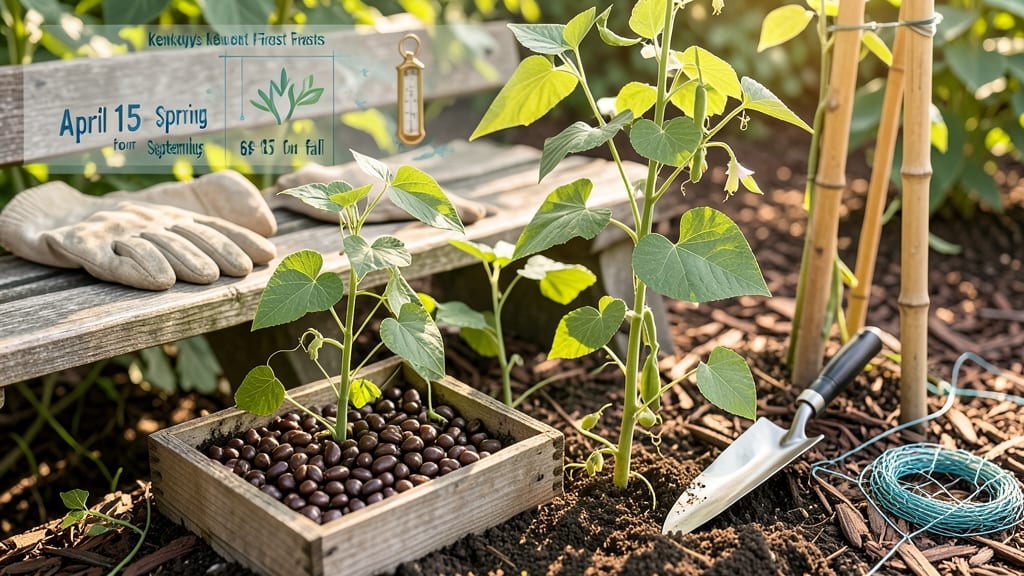
Planting beans in Kentucky at the wrong time can mean the difference between a fast, bountiful harvest and wasted effort. The key to success lies in understanding your USDA Zone 6b climate—where a single week too early or late can expose your 🌱 to frost damage or stunted growth.
Most gardeners in Kentucky wait until after the last frost date (around April 15) to plant beans, but there’s more to it than just the calendar.
Soil temperature must reach at least 60°F for optimal germination, and fall plantings should happen between August 15 and September 15 to avoid early frost.
In this guide, I’ll break down the exact planting windows for both spring and fall, including how to adjust for Kentucky’s regional microclimates. Whether you’re growing pole beans, bush beans, or lima beans, these timing tips will help you skip the guesswork and enjoy a productive garden.
Ready to grow beans that thrive from seed to harvest? Let’s dive into the fastest, most reliable methods for Kentucky’s unique growing season.
Best months to plant beans in Kentucky’s USDA Zone 6b (with frost risk timeline)
Kentucky’s USDA Zone 6b offers a perfect balance for growing beans, but getting the timing right is crucial. The last frost date typically falls between April 15 and May 10, and beans need soil temperatures above 60°F to germinate properly.
Planting too early risks frost damage, while waiting too long can shorten your harvest window. Let’s break down the best planting windows for pole beans, bush beans, and lima beans to maximize your yield.
For Kentucky gardeners, the ideal planting window spans from mid-April through early June for spring crops, with a second chance in late summer for fall harvests.
Each bean type has slightly different needs, so understanding these variations will help you plan your garden layout. Pole beans thrive with vertical space, while bush beans are more compact, and lima beans require warmer soil to sprout efficiently.
Here’s your quick-reference planting timeline for Kentucky’s Zone 6b, including frost risk and soil temperature thresholds:
| Bean Type | Optimal Planting Window | Soil Temp Threshold | Last Frost Risk | Harvest Window |
|---|---|---|---|---|
| Pole Beans | April 20–May 15 (spring) or August 10–20 (fall) | 60°F+ | Low after May 10 | July–October (spring) or September–November (fall) |
| Bush Beans | April 15–May 30 (spring) or July 15–August 15 (fall) | 60°F+ | Low after May 10 | June–September (spring) or August–October (fall) |
| Lima Beans | May 1–June 1 (spring) or August 15–September 15 (fall) | 65°F+ | None (warmer soil needed) | July–October (spring) or September–November (fall) |
Spring planting is the most popular choice, but don’t overlook fall planting for a second harvest. Lima beans, in particular, benefit from warmer soil in late summer, making August planting ideal.
Always check your local frost risk timeline—Kentucky’s first frost usually arrives around October 15, so plan your fall crops accordingly to avoid early cold snaps.
If you’re in northern Kentucky, where frosts linger longer, wait until May 1 to plant bush beans. In southern Kentucky, you can start as early as April 15 for pole beans.
Use a soil thermometer to confirm temperatures are above 60°F before sowing seeds—this is critical for germination success.
For succession planting, sow bush beans every 2 weeks from April to June. This strategy ensures a steady supply of fresh beans throughout the summer.
Pole beans, which take longer to mature, should be planted once in early spring and again in midsummer for a fall harvest. Lima beans, being heat-loving, thrive best when planted in late spring or early fall.
Remember, beans are warm-season crops that won’t tolerate cold soil. If you’re using starter plants, transplant them only after the soil has warmed to 60°F. Direct sowing seeds is often more reliable, as seedlings handle transplanting poorly.
For best results, aim to have your beans established by mid-May to avoid late-season heat stress.
Once planted, keep soil consistently moist but not waterlogged. Mulch around plants to retain moisture and regulate soil temperature. Beans are light feeders, so avoid heavy fertilization—too much nitrogen leads to leafy growth at the expense of pods. A balanced 5-10-10 fertilizer applied lightly at planting time is sufficient.
With the right timing, your Kentucky garden can produce abundant beans from early summer through fall. Start with the optimal planting windows outlined above, and don’t forget to monitor your local frost dates. Happy gardening—and may your bean harvest be bountiful! 🌱
How to adjust planting time for Kentucky’s microclimates (northern vs. southern regions)
Kentucky’s USDA Zone 6b might seem uniform, but microclimates create big differences in planting success. Northern cities like Paducah (elevation ~300 ft) experience later springs, while southern areas like Bowling Green (elevation ~500 ft) warm up faster. These variations mean a 2-week difference in ideal planting windows.
Urban heat islands in Louisville and Lexington can push soil temperatures 5°F warmer than rural areas, letting you plant pole beans 7–10 days earlier. Meanwhile, poorly draining soils in low-lying regions (like parts of Western Kentucky) risk waterlogged seeds, delaying germination by 3–5 days.
Here’s how to adjust your bean planting schedule based on Kentucky’s key microclimates, including elevation impacts and urban heat effects:
| Region | Elevation | Last Frost Date | Optimal Planting Window | Soil Temp Threshold | Key Risks |
|---|---|---|---|---|---|
| Northern KY (Paducah, Hopkinsville) | 300–500 ft | April 22–May 5 | May 15–June 1 | 60°F+ (soil) | Late frosts, cooler soils |
| Central KY (Lexington, Louisville) | 500–700 ft | April 15–April 30 | April 25–May 15 | 58°F+ (soil) | Urban heat delays frost |
| Southern KY (Bowling Green, Madisonville) | 700–1,000 ft | April 1–April 15 | April 10–April 25 | 55°F+ (soil) | Drought risk in July |
| Appalachian Foothills (Corbin, Williamsburg) | 1,000–1,500 ft | May 1–May 15 | May 10–May 30 | 62°F+ (soil) | Cooler microclimates |
For fall planting, Southern Kentucky’s earlier frost dates (October 1–15) allow late August sowings, while Northern regions should wait until mid-to-late August. Always monitor soil moisture—drought in July can stunt bush beans by 20–30% if not watered consistently.
If your garden sits in a low-lying area with poor drainage, amend soil with compost or sand to speed up warming. Urban gardeners can use black plastic mulch to raise soil temps by 5–10°F, letting you plant 2 weeks earlier than rural neighbors.
Pro tip: Use a soil thermometer to confirm 60°F+ before planting—this beats guessing and ensures fast germination in just 7–10 days. 🌱