
Companion Plants
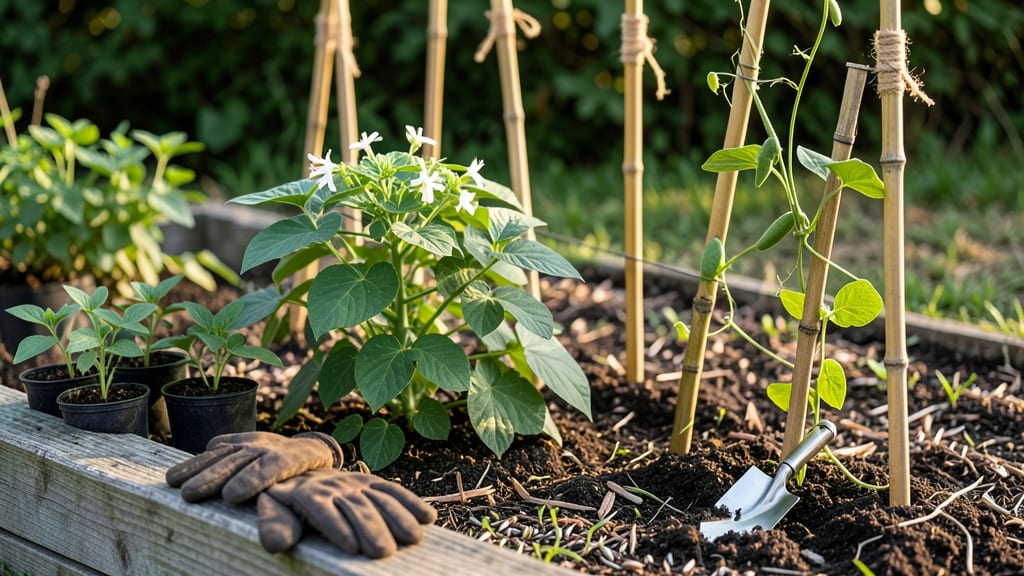
Timing your bean planting in Pennsylvania is the secret weapon for a garden bursting with fresh, homegrown 🌱 pods.
Whether you're growing bush beans that stay compact or pole beans climbing toward the sky, getting those seeds in the ground at the right moment means the difference between a thriving harvest and a sad, wilted disappointment.
The key window—April 15 to June 15—aligns perfectly with Pennsylvania's last frost dates in zones 5b-7a, but here's the catch: rushing too early can leave your tender seedlings as crispy snacks for late frosts, while waiting too long might mean summer heat zaps their energy before they even get started.
I've learned the hard way that not all beans play by the same rules. Pole beans, for example, need that extra warmth to climb and produce, while bush varieties can handle a slightly earlier start.
Let me break down the exact months to plant each type, plus pro tips to stretch your growing season if Mother Nature throws a curveball.
Ready to turn your garden into a bean bonanza? Let's dive into the best planting schedule for your PA climate, so you can enjoy those first crisp pods by July—and keep the harvests coming all the way through September.
Best planting months for beans in Pennsylvania by variety type
Pennsylvania’s USDA zones 5b-7a mean bean lovers must time plantings carefully to avoid late spring frosts or summer heat stress. The last frost date typically falls between April 15 (southern PA) and May 15 (northern PA), but soil temperature matters more than calendar dates.
Beans need 60°F+ soil to germinate reliably—waiting for this ensures strong starts even if frost lingers.
I’ve planted pole beans, bush beans, and lima beans for years in PA, and the difference between a 50% yield and a 90% yield often comes down to planting timing.
Each variety has unique needs: pole beans thrive with extended growing seasons, bush beans need earlier starts, and limas prefer warmer soils. Let’s break down the best months for each to maximize your harvest.
| Variety | Best Planting Months | Soil Temp Requirement | Days to Maturity | Notes |
|---|---|---|---|---|
| Pole Beans (e.g., Kentucky Wonder) | May–June (after last frost) | 60°F+ | 60–70 days | Plant near trellis; extend season with row covers. |
| Bush Beans (e.g., Blue Lake) | April–May (soil 60°F+) | 60°F+ | 50–60 days | Faster harvest; good for succession planting. |
| Lima Beans (e.g., Fordhook) | June–July (soil 70°F+) | 70°F+ | 80–90 days | Heat-loving; avoid early planting. |
| All Varieties | Late July (succession) | 60°F+ | Varies | Extend harvest with late plantings for fall. |
For pole beans, I recommend starting in late May when daytime temperatures consistently stay above 70°F. These vining varieties need warmth to establish strong roots before summer heat arrives.
Use black plastic mulch to warm soil faster if your spring is slow—this can shave 1–2 weeks off germination time. I’ve seen Kentucky Wonder plants climb trellises by July 4th when planted this way.
Bush beans are more forgiving and can handle cooler soils, making them ideal for April plantings in southern PA or early May in northern zones. Varieties like Blue Lake mature quickly (50 days), so I often make 2–3 succession plantings every 2 weeks from May through June.
This ensures a continuous harvest instead of one big flush. Just be sure to thin seedlings to 4 inches apart—crowding stresses plants and reduces yield.
If you love lima beans, save them for June or July when soil temperatures exceed 70°F. These heat-lovers struggle in cool conditions and may rot in damp soils. I’ve had success with Fordhook varieties planted in raised beds filled with compost—this keeps roots warm and improves drainage.
Lima beans also benefit from staking since their pods can get heavy. Start seeds indoors 4 weeks before your target outdoor date if your spring is unreliable.
One trick I’ve learned is to use a soil thermometer to track temperatures—beans won’t germinate well below 60°F, even if frost risk is low. In northern PA (zones 5b–6a), I often wait until early June for pole beans to avoid late May frosts.
In southern PA (zones 7a), you can push plantings to late April if you’re willing to use row covers for protection.
Don’t forget about succession planting! Even if your first
How Pennsylvania’s microclimates affect bean planting times
Pennsylvania’s diverse geography creates microclimates that can shift bean planting times by 2-4 weeks across the state.
Whether you're in Philadelphia’s urban heat islands, Pittsburgh’s cooler valleys, or rural farmland, understanding these variations ensures your beans thrive. Elevation, lake-effect weather, and urban heat all play critical roles in determining the perfect window for sowing seeds.
For example, Philadelphia’s Zone 7a typically sees last frosts around April 15, while Pittsburgh’s Zone 6b often waits until May 1. Rural areas like Central PA’s rolling hills may experience earlier soil warming due to lower humidity, allowing for earlier plantings of heat-loving varieties.
Meanwhile, mountain regions like the Poconos can face delayed planting by 10-14 days due to lingering cold air.
| Region | Last Frost Date | Ideal Planting Window | Microclimate Notes |
|---|---|---|---|
| Philadelphia (Zone 7a) | April 15 | April 20 - May 15 | Urban heat islands warm soil faster; consider shade cloth for late plantings. |
| Pittsburgh (Zone 6b) | May 1 | May 10 - June 1 | River valleys stay cooler; opt for cold-tolerant varieties like 'Blue Lake.' |
| Central PA (Zone 6a) | April 25 | April 30 - May 10 | Dry climate; mulch to retain moisture for early plantings. |
| Poconos (Zone 5b) | May 10 | May 20 - June 5 | High elevation delays soil warming; use row covers for early starts. |
| Erie (Zone 6a) | April 20 | April 25 - May 10 | Lake-effect cooling can cause late frosts; monitor forecasts closely. |
Lake-effect weather near Erie and Pittsburgh can create unexpected late frosts even after Memorial Day. I recommend checking the National Weather Service’s frost prediction maps for your specific area, as these can shift planting dates by up to 2 weeks.
For example, Lake Erie’s chilly breezes often delay warm soil temperatures until mid-May, while Philadelphia’s concrete jungle can be 5-10°F warmer than surrounding farmland.
Urban gardeners in Philadelphia or Allentown should take advantage of heat islands by planting heat-tolerant varieties like 'Contender' or 'Blue Lake' as early as mid-April. These areas can support earlier harvests by 2-3 weeks compared to rural zones.
However, be cautious—overheated soil can cause seeds to rot before germination, so always test soil temperature with a soil thermometer (60°F minimum).
For rural and mountainous regions, focus on cold-hardy varieties like 'Provider' or 'Kentucky Wonder', which tolerate cooler soils better. In the Poconos, I’ve had success using black plastic mulch to warm soil 2-3°F faster than bare ground.
This simple trick can extend your planting window by 7-10 days in high-elevation areas where frost lingers.
Adjust your variety choices based on microclimate: Pole beans thrive in warmer, urban zones, while bush beans perform better in cooler, rural areas. For late-season harvests, consider succession planting in Philadelphia’s heat islands—you can often squeeze in 2-3 harvests where rural areas might only get one.
Always keep a planting journal to track what works best in your specific microclimate!