
Plants
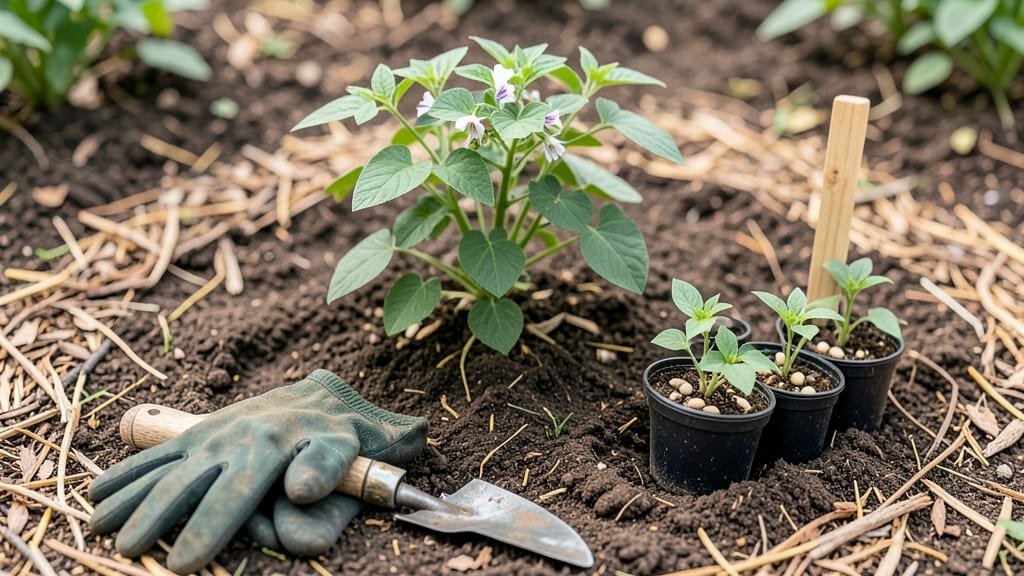
Planting beans in Zone 5 at the wrong time can turn your garden dreams into a sad, wilted disappointment—the difference between a lush harvest and a failed patch often comes down to those critical weeks before the last frost.
You've got to time it just right, because beans are sensitive little things that won't tolerate cold soil or late-season chills.
For most of Zone 5, that means waiting until the soil warms to at least 60°F—typically late April to early May—when the danger of frost has passed. But here's the catch: not all beans are created equal.
Fast-maturing varieties can go in earlier, while slower growers need that perfect window to reach maturity before fall's first frost sneaks up.
I've learned the hard way that planting too early means struggling with cold soil and slow germination, while waiting too long risks running out of the growing season. The good news? With the right timing and a few smart tricks, you can stretch your harvest from summer into early fall.
Let me show you exactly how to calculate your perfect planting window, adjust for your specific location in Zone 5, and avoid the most common mistakes that turn promising starts into disappointing ends. Your bean harvest is about to get a whole lot easier—and a whole lot more reliable.
Optimal bean planting windows in Zone 5: exact weeks before last frost
Getting your bean planting timed right in Zone 5 is all about understanding your last frost date and soil temperature thresholds.
Most gardeners in this zone can expect their last frost between April 20th and May 10th, but this varies by location—Chicago tends to be on the earlier side, while Pittsburgh may hold frost a little longer.
Planting too soon risks cold soil and poor germination, while waiting too late cuts your harvest window short.
Beans thrive when soil temperatures reach at least 60°F (15°C), which typically aligns with 2-3 weeks after your last frost date. For example, if your last frost is May 1st, aim to plant bush beans around May 15th.
This timing ensures your plants have enough warm soil to establish strong roots before summer heat arrives.
Here’s the key difference between bush beans and pole beans: bush varieties mature faster (about 50-60 days), so they can handle slightly earlier planting, while pole beans (which take 60-90 days) need that extra warmth to reach their full potential.
Heirloom varieties often fall in the middle, requiring careful attention to both soil temperature and frost risk.
| Bean Type | Optimal Planting Window (Weeks Before Last Frost) | Soil Temp Threshold | Days to Maturity | Regional Notes |
|---|---|---|---|---|
| Bush Beans | 2-3 weeks after last frost | 60°F (15°C) | 50-60 days | Fast growers; ideal for early planting in Chicago (May 1-15). |
| Pole Beans | 3-4 weeks after last frost | 65°F (18°C) | 60-90 days | Wait longer in Pittsburgh (May 15-30) for taller varieties. |
| Heirloom Varieties | 2-4 weeks after last frost | 62°F (17°C) | 60-80 days | Check seed packet for specific needs; some tolerate cooler soil. |
| Fall Planting (Late Summer) | 8-10 weeks before first frost | 60°F (15°C) | 50-60 days | Plant fast-maturing varieties in August for harvest before frost. |
If you’re planting in Chicago, where last frosts often occur around April 25th, you can start bush beans as early as May 10th. However, if you’re in Pittsburgh, with later frosts around May 5th, wait until May 20th to ensure soil warmth.
Always check your local Almanac or use a soil thermometer to confirm—beans won’t germinate well in cold, damp soil.
For pole beans, which need more time to mature, I recommend waiting until the soil is consistently 65°F (18°C). This usually means pushing planting to late May in most of Zone 5.
If you’re eager to grow pole beans, consider using row covers to warm the soil faster, but avoid planting too early—beans hate cold feet!
One trick I’ve used is to plant a successive crop of bush beans every 2 weeks after the initial planting. This stretches your harvest from July through September, giving you fresh beans longer.
Just make sure to choose varieties with different maturity dates—like Blue Lake (58 days) and Kentucky Wonder (60 days)—to avoid overlapping harvests.
Don’t forget about fall planting! In Zone 5, you can often squeeze in a second crop of beans by planting fast-maturing varieties in late July or early August.
Aim to harvest before the first frost hits in mid-October. This works especially well for bush beans, which can mature in as little as 50 days.
Finally, always monitor your weather forecast in the days leading up to planting. A late frost can wipe out young seedlings, so have row covers or a greenhouse ready if temperatures dip unexpectedly.
With the right timing, your bean plants will thrive and reward you with a bountiful harvest all summer long! 🌱
How to adjust planting dates for early vs. late varieties of beans
Not all bean varieties are created equal—and neither are their planting schedules. In Zone 5, choosing between 60-day snap beans and 90-day heirlooms changes everything.
Fast-maturing varieties like Blue Lake can start as early as late April (after frost), while slower growers like Kentucky Wonder need a later start to avoid fall frost. The key? Match your variety to your frost-free window.
For early varieties, aim to plant 2–3 weeks after your last frost date (typically mid-May in Zone 5). This gives them 60–70 days to mature before July heat peaks.
Late varieties, however, need a second planting in early July to harvest before October frost. Skipping this step often leads to underripe beans or frost damage.
To calculate your second planting window, subtract the variety’s days to maturity from your first frost date (usually October 15 in Zone 5). For a 90-day bean, plant by July 15 to ensure harvests before frost.
Pro tip: Use row covers to extend the season by 2–3 weeks if needed.
Common mistakes? Planting too early when soil is still cold (below 55°F) or ignoring pest cycles (e.g., Mexican bean beetles peak in June–July). Early plantings also risk soil-borne diseases like root rot. Instead, prioritize warm soil and succession planting every 2 weeks for continuous harvests.
For pole beans, which take longer to establish, delay planting by 1 week compared to bush beans. Their vining habit also benefits from a trellis, which warms soil faster.
Pair fast-maturing bush beans (like Blue Lake) with slow-growing pole beans (like Rattlesnake) to stagger your harvest timeline.
Test your timing with a small batch of seeds first—this lets you adjust without losing your entire crop. Keep a planting journal to track which varieties thrive in your microclimate. With practice, you’ll nail the perfect planting window for both early and late beans in Zone 5. 🌱