
Plants
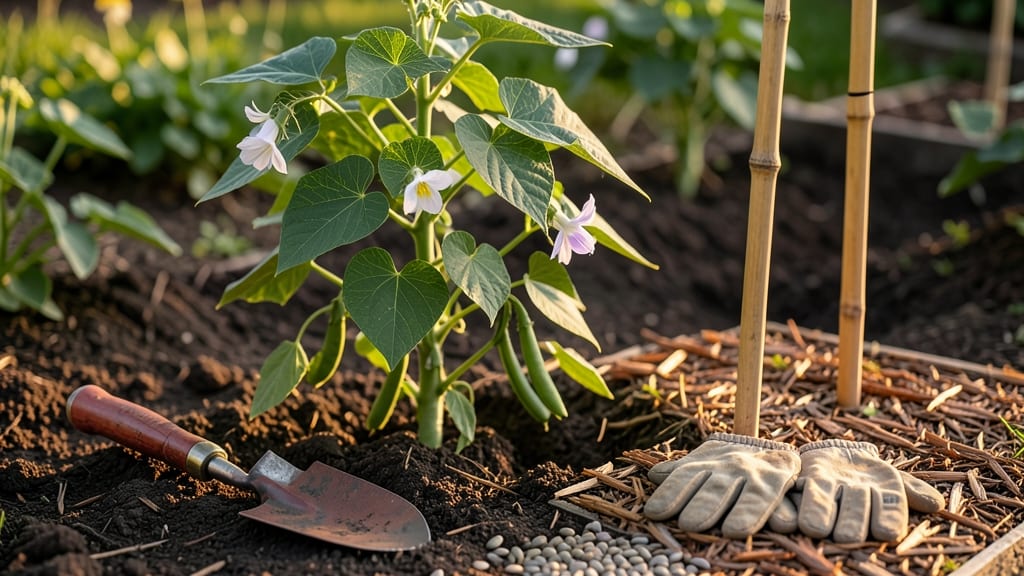
Planting beans in Utah isn’t just about tossing seeds into the dirt—it’s about timing them perfectly to beat those tricky frost dates and stretch your harvest as long as possible.
With Utah’s USDA zones 5-9 and unpredictable swings from chilly mornings to scorching afternoons, getting the window right means the difference between a bumper crop and a bitter disappointment.
Most Utah gardeners know the general rule: wait until after the last frost, but the real secret lies in knowing exactly when that frost actually passes in your specific corner of the state.
Whether you’re in the Salt Lake Valley or the high desert, planting too early risks losing tender seedlings to a late freeze, while waiting too long can leave you scrambling for beans when summer’s heat peaks.
In this guide, I’ll break down the ideal planting windows for both spring and fall beans, plus Utah-specific hacks to extend your season—like using row covers or choosing heat-tolerant varieties.
You’ll learn how to calculate your local frost dates, pick the best bean types for your microclimate, and even push your harvest into early October.
Ready to grow beans that thrive in Utah’s climate? Let’s get started with the precise timing and techniques that’ll turn your garden into a bean-producing powerhouse.
Utah bean planting zones: frost dates and last-frost timing
Utah’s diverse USDA plant hardiness zones (4-8) create wildly different conditions for growing beans. In Zone 4 (northern Utah), late frosts can linger until May 15, while Zone 8 (southern Utah) often sees its last frost by March 15.
Getting your timing right means the difference between a bumper crop and wasted effort.
Most Utah gardeners rely on average last frost dates, but microclimates—like urban heat islands in Salt Lake City or high-elevation valleys in Park City—can shift those dates by 2-3 weeks.
The Utah State University frost calculator (available online) adjusts for your exact location, accounting for elevation and local weather patterns. For example, St. George’s Zone 8 can safely plant beans by February 15, while Park City’s Zone 5 should wait until May 1.
Beans thrive in warm soil, so even after the last frost, wait until the ground reaches 60°F—typically 2-3 weeks after the average last frost date. Pole beans (like Kentucky Wonder) need a longer growing season (90+ days), while bush beans (like Provider) mature faster (50-60 days).
Stagger your plantings every 2 weeks to extend your harvest window.
Here’s a quick reference for Utah’s key regions, including adjustments for microclimates:
| Region | USDA Zone | Avg. Last Frost | Planting Window | Microclimate Adjustments |
|---|---|---|---|---|
| Salt Lake City | Zone 5-6 | April 15 | April 20 - May 10 | Urban areas: plant 1 week earlier; valleys: delay by 1 week. |
| St. George | Zone 8 | March 15 | March 20 - April 15 | Desert heat: use shade cloth for seedlings. |
| Park City | Zone 5 | May 1 | May 10 - June 1 | High elevation: opt for fast-maturing varieties. |
| Ogden | Zone 6 | April 20 | April 25 - May 5 | River valleys: plant 3 days earlier than average. |
For pole beans, which take longer to mature, prioritize southern Utah zones (7-8) where you can plant as early as March. In northern Utah (Zones 4-5), focus on bush beans or quick-maturing varieties like Blue Lake (58 days).
If you’re in a microclimate—like a sheltered urban garden or a high-desert valley—monitor soil temperatures with a soil thermometer to avoid planting too soon.
Utah’s first frost typically arrives in mid-October, but high-elevation areas (like Park City) can see frost as early as September 15. For a fall harvest, plant heat-tolerant varieties like Roma II in late July to early August.
These beans mature quickly (50-60 days) and can withstand cooler temperatures better than traditional varieties.
Pro tip: Use row covers or low tunnels to extend your planting window by 2-3 weeks in spring or protect late-season crops from early frosts. These tools create a 5-10°F warmer microclimate, giving your beans a head start or extra time to mature.
Just remove covers when flowers appear to prevent pollination issues.
Always check the Utah State University Extension’s frost date maps for your specific location, as local topography can shift frost dates by up to 3 weeks. For example, Ogden’s river valleys often warm up faster than the surrounding hills, allowing for earlier plantings.
By aligning your schedule with these regional adjustments, you’ll maximize your bean yield and avoid common Utah gardening pitfalls.
Remember: Patience is key—rushing your planting in cold soil can stunt
Best bean varieties for Utah’s climate and how to time them
Utah’s high desert climate and variable frost dates demand careful selection of bean varieties and precise planting timing. Cool-season varieties like ‘Provider’ thrive in Utah’s shorter growing windows, while heat-tolerant types such as ‘Kentucky Wonder’ extend harvests into late summer.
The key lies in matching your variety to your microclimate—whether you’re in the Salt Lake Valley or the high desert of southern Utah.
Soil temperature is non-negotiable: beans need consistent warmth to germinate. Aim for 60°F soil before planting, which typically aligns with mid-to-late May in most Utah zones.
Staggered planting—sowing seeds every 2-3 weeks—ensures a continuous harvest, protecting you from late-spring hail or early-fall heatwaves that can devastate crops planted all at once.
- 1. Late-spring hail: Plant bush beans (e.g., ‘Blue Lake’) first—they mature faster and can be harvested before hail season peaks in June.
- 2. Early-fall heatwaves: Choose heat-tolerant varieties like ‘Rattlesnake’ for late-summer planting; they handle 90°F+ temps better than standard types.
- 3. Cold soil delays: Use black plastic mulch to warm soil faster in high-elevation areas (e.g., Park City), allowing earlier planting.
- 4. Water scarcity: Opt for drought-tolerant varieties like ‘Tendercrop’ and water deeply every 2-3 days to encourage deep root growth.
- 5. Pest pressure: Plant ‘Provider’ or ‘Contender’—their compact growth deters bean beetles, common in Utah’s dry heat.
For short-season areas (USDA Zone 5-6), prioritize bush beans like ‘Blue Lake’ or ‘Kentucky Blue,’ which mature in 50-60 days. These varieties are ideal for staggered spring planting and can be sown as late as early July for a fall harvest before the first frost.
In contrast, pole beans like ‘Kentucky Wonder’ or ‘Rattlesnake’ take 60-70 days to mature, making them better suited for longer growing seasons in southern Utah (Zone 7-9).
Timing is everything: in Salt Lake City, aim to plant pole beans by mid-May and bush beans by late May to avoid late frosts.
In St. George, where heat arrives earlier, you can start pole beans as soon as mid-April and even plant a fall crop in August for a late harvest.
Always check the Utah State University frost calculator to adjust for your specific elevation—a 1,000-foot difference can shift frost dates by 2-3 weeks.
Pro tip: Soil preparation is just as critical as timing. Amend your soil with compost to improve drainage—Utah’s alkaline soils can stress beans if pH isn’t balanced. Add a 1-inch layer of mulch after planting to retain moisture and keep roots cool during summer heatwaves.
This simple step can mean the difference between a bountiful harvest and a struggling crop.
Don’t overlook succession planting—this Utah gardener’s secret weapon. By sowing new seeds every 2 weeks through early July, you’ll enjoy fresh beans from June through September. For fall varieties, plant heat-tolerant types like ‘Rattlesnake’ in late July to harvest before the first frost.
With the right variety and timing, you’ll turn Utah’s unpredictable climate into your bean-growing advantage.