
Plants
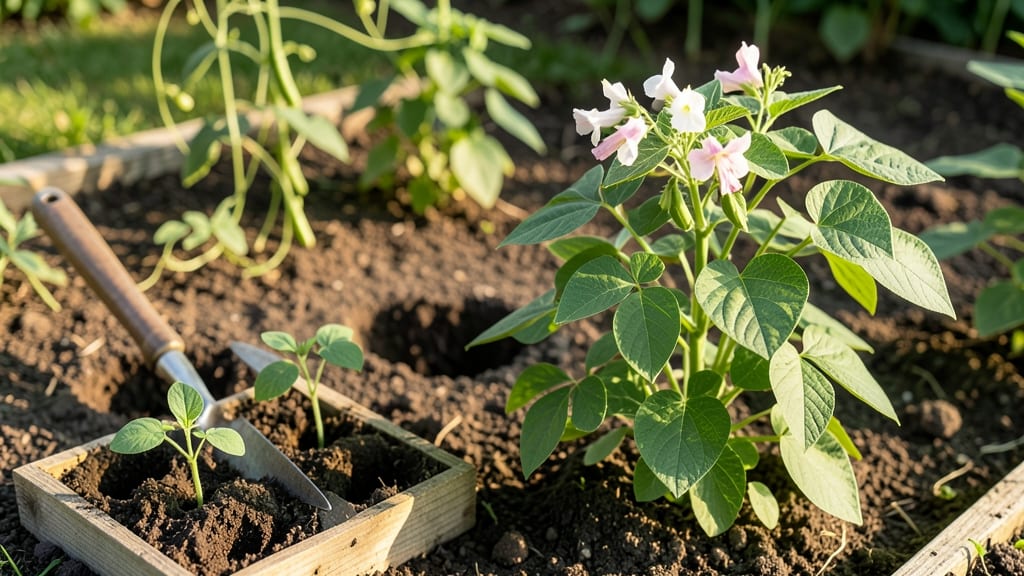
Planting beans at the wrong time in Zone 8 can turn your garden dreams into a disappointing wait for tiny, bitter pods—or worse, no harvest at all. Unlike some plants, beans are picky about soil temperature and hate lingering cold, so timing isn’t just about the calendar.
In Zone 8, where winters are mild and summers scorching, the best window to plant beans is a narrow 6-week stretch in early spring—right after your last frost (around March 15)—or late summer for a fall crop.
Miss this, and you risk stunted growth from cool soil or wilted plants from summer heat.
I’ve learned the hard way that rushing beans into cold soil or planting too late in summer means fewer pods and more frustration. But with the right timing—2–3 weeks before your last frost—you’ll get a steady harvest from June through November.
Let’s break down exactly when to plant each variety for maximum yields, plus how to adjust for Zone 8’s microclimates so your beans thrive from seed to harvest.
Optimal planting dates for beans in Zone 8 by variety type
Beans thrive in Zone 8’s mild winters and warm summers, but timing is everything. Plant too early and risk frost damage; too late and face summer’s scorching heat. The key is matching soil temperatures (at least 60°F) with your bean variety’s needs.
Most gardeners in Zone 8 focus on spring and fall plantings, but late-summer sowings can work with shade and extra water.
Your last frost date is critical—typically around March 15 in Zone 8, but verify locally. For precision, use a frost calendar or plant when nighttime temps stay above 50°F. Beans are sensitive to cold, so don’t rush—wait for consistent warmth to ensure strong germination and growth.
Zone 8’s long growing season (about 220 frost-free days) allows for multiple plantings. After your spring harvest, you can often squeeze in a fall crop by late summer, especially with heat-tolerant varieties. This strategy maximizes yields and extends your harvest window from June to November.
| Variety Type | Spring Planting Window | Fall Planting Window | Soil Temp Requirement | Days to Maturity |
|---|---|---|---|---|
| Bush Beans | March 15–April 15 | August 1–September 1 | 60–65°F | 50–60 days |
| Pole Beans | April 1–May 1 | July 15–August 15 | 65–70°F | 60–75 days |
| Runner Beans | April 15–May 1 | August 1–September 10 | 70°F+ | 80–90 days |
Bush beans are the fastest growers, making them ideal for early spring or late summer plantings. Aim to sow seeds 2–3 weeks before your last frost date, but only when soil temps are consistently above 60°F. Varieties like ‘Blue Lake’ or ‘Kentucky Wonder’ thrive in Zone 8’s cooler spring mornings and produce harvests in 50–60 days.
For pole beans, wait until after April 1 to avoid cold snaps. These vining varieties need warmer soil (65–70°F) and benefit from trellises to save space. Plant ‘Rattlesnake’ or ‘Contender’ for heat tolerance—these varieties handle Zone 8’s summer heat better than others and produce pods for 60+ days.
Runner beans are the most heat-sensitive and require soil temps above 70°F. Start them after May 1 or in late summer (August) for a fall crop. Varieties like ‘Scarlet Runner’ or ‘Romano’ need 80–90 days to mature, so time your planting to finish before first frost (November 15).
Succession planting is a game-changer in Zone 8. Sow new seeds every 2 weeks from spring through early summer to ensure a continuous harvest.
For fall, plant pole beans in July and bush beans in August—just be prepared to provide afternoon shade during peak summer heat to prevent wilting.
Pro tip: Use a soil thermometer to check temps before planting. If your soil is below 60°F, wait—cold soil delays germination and weakens seedlings. In Zone 8, black plastic mulch can warm soil faster, giving you a 2-week head start on planting.
Don’t forget about fall plantings! Zone 8’s mild winters allow for late-season harvests. Aim to plant 60–70 days before frost (around August 1), and choose heat-tolerant varieties like ‘Tendercrop’ or ‘Provider’ for reliable yields.
🌱
How to adjust planting times for Zone 8’s microclimates and heat sensitivity
Zone 8’s warm winters and scorching summers create unique challenges for growing beans. While spring planting is ideal, late-summer heat can still produce bountiful harvests if you adjust your timing and variety choices.
The key is understanding how microclimates and soil temperatures affect your garden’s performance—especially when planting after the traditional spring window.
Heat-sensitive varieties like ‘Kentucky Wonder’ may struggle in Zone 8’s peak summer, but heat-tolerant options such as ‘Rattlesnake’ or ‘Contender’ thrive when planted in late summer. These varieties can handle temperatures up to 90°F+ and produce pods even as fall approaches.
By extending your planting season with shade cloth and strategic timing, you can enjoy fresh beans from spring through early winter.
- Plant late-summer beans 8–10 weeks before your first frost (typically August 1–15 in Zone 8). This ensures mature pods before cold weather arrives.
- Use 30–50% shade cloth to protect seedlings from intense afternoon sun, lowering soil temps by 10–15°F and reducing stress.
- Choose heat-tolerant varieties like ‘Rattlesnake’ (bush) or ‘Contender’ (pole), which mature in 50–55 days and handle summer heat better than standard types.
- Water deeply at dawn to maintain moisture without wetting foliage, preventing fungal diseases that thrive in Zone 8’s humidity.
- Extend the season with row covers or cold frames in fall, protecting plants until November’s first frost.
Microclimates in Zone 8 can vary dramatically—even within the same yard. South-facing beds warm up faster in spring, while north-facing areas stay cooler longer. Test your soil temperature with a soil thermometer before planting; beans need 60–65°F soil to germinate.
If your early spring soil is still cold, opt for black plastic mulch to warm it up 2–3 weeks faster.
For pole beans, consider succession planting in late summer. Sow a second crop in early August for a harvest just before frost. Pair this with a trellis system to maximize vertical space and airflow, reducing heat stress.
Varieties like ‘Blue Lake’ perform well in these conditions if given consistent moisture and afternoon shade.
Don’t overlook fall planting for a second harvest. In Zone 8, you can often plant beans as late as September 15 and still enjoy pods before winter. Use lightweight row covers to protect young plants from unexpected chilly nights, while allowing sunlight to penetrate during the day.
This dual approach—late summer + fall—can double your bean yield in a single season.
Monitor your plants closely for signs of heat stress, such as curled leaves or yellowing pods. If temperatures exceed 95°F for more than a few days, provide temporary shade with a breathable fabric and increase watering frequency.
With these adjustments, you’ll turn Zone 8’s heat from a challenge into an opportunity for a longer, more productive growing season. 🌱☀️