
Plants
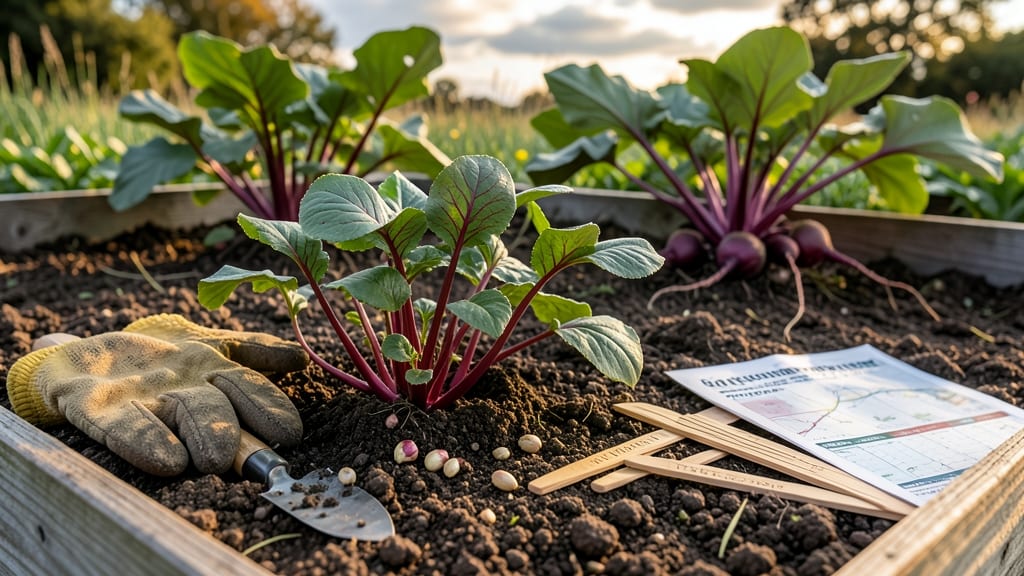
Planting beets in Minnesota isn’t just about tossing seeds in the dirt—it’s about outsmarting the short growing season and unpredictable frosts to get crisp, sweet harvests. Whether you're in USDA Zone 3 or Zone 5, timing matters more than you think.
Miss the window, and you’ll either lose your crop to frost or end up with tough, woody roots instead of tender treats.
I’ve grown 🍠 beets here for years, and the difference between a disappointing harvest and a bounty comes down to two key planting windows: spring (mid-April to mid-June) and fall (late July to early August).
These deadlines aren’t arbitrary—they’re based on Minnesota’s average last frost dates and the 50-day minimum for mature roots. Get it wrong, and you’ll spend summer pulling weeds instead of feasting on homegrown goodness.
What if you want to stretch your harvest even longer? The trick is succession planting—short bursts of seeds every 2-3 weeks—to keep a steady supply from June through October.
But there’s a catch: Minnesota’s summer heat can turn beets bitter, so we’ll cover how to beat the bolting problem and still get that perfect harvest window.
Ready to master the art of beet-growing in the North Star State? Let’s break down the exact frost-free deadlines, soil prep secrets, and companion plants that’ll make your garden thrive—no guesswork, just results.
Minnesota beet planting calendar: frost-free deadlines by USDA Zone
Minnesota’s cool climate and short growing season make timing critical for beet success. Plant too early, and frost zaps your seedlings; too late, and summer heat causes bolting (flowering) before you harvest. The key?
Align your planting with last-frost dates and soil temperature thresholds—typically 40°F for germination and 50°F+ for consistent growth. Below, I’ve broken down the frost-free deadlines for Minnesota’s USDA Zones 3a-5a, including ideal transplanting windows for both spring and fall harvests.
Beets thrive in Minnesota’s cool shoulders of the season—early spring and late summer. Spring plantings (March–May) give you summer harvests, while fall plantings (July–August) yield autumn/winter storage crops. The trick? Avoid planting when daytime highs exceed 75°F for more than a week, as this triggers bolting.
In Zone 5a, for example, you’ve got a 140-day frost-free window, while Zone 3a gardeners work with just 110 days—every day counts!
Here’s your zone-by-zone beet planting calendar, including last-frost dates, ideal soil temps, and harvest windows. Use this to plan succession plantings and stretch your harvest from June through October.
For Zone 3a gardeners, late July plantings are your best bet for fall harvests—any later, and your beets won’t mature before frost. In Zone 5a, you’ve got more flexibility, but aim to finish fall plantings by August 15 to avoid woody roots from late-season heat.
Pro tip: Use row covers to extend your spring planting window by 2–3 weeks if frost threatens.
Bolting is the biggest enemy of Minnesota beet growers. To prevent it, mulch heavily to keep soil cool, water deeply during dry spells, and choose bolt-resistant varieties like ‘Detroit Dark Red’ or ‘Golden’. If your beets start
How to extend your beet harvest season in Minnesota’s short growing season
Minnesota’s short growing season can make beet harvesting feel like a sprint, but with the right strategies, you can turn it into a marathon. The key lies in succession planting, cold-hardy varieties, and smart use of row covers to protect tender seedlings.
By planning ahead, you can enjoy fresh beets from early summer through crisp fall—even when temperatures dip below freezing.
One of my favorite tricks is planting ‘Detroit Dark Red’ beets, a variety known for its cold tolerance and ability to mature quickly. This variety thrives in Minnesota’s climate and stores well, making it perfect for extending your harvest.
Pair it with succession planting every two weeks, and you’ll have a steady supply of beets without gaps in your harvest calendar.
To maximize your beet season, start with early spring plantings as soon as the soil reaches 40°F. Use row covers to shield seedlings from late frosts, which can delay or damage young plants.
For a fall harvest, plant again in late July to ensure beets mature before the first frost hits in mid-October. This timing gives you a second chance to enjoy homegrown beets when summer’s heat subsides.
- Plant ‘Detroit Dark Red’ or ‘Golden’ beets—both tolerate cold soils and late frosts.
- Use row covers for early spring and fall plantings to extend the season by 3-4 weeks.
- Sow seeds every 2 weeks from mid-April to mid-June for a continuous harvest.
- For fall storage, plant late July to harvest before first frost in October.
- Avoid overcrowding—thin seedlings to 3-4 inches apart for larger roots.
Another game-changer is succession planting, which involves sowing new beet seeds every 2-3 weeks throughout the growing season. This method ensures you always have young, tender beets ready to harvest while older ones mature.
For example, start your first batch in mid-April and follow up with additional plantings in late May and early June. This staggered approach guarantees a steady supply without overwhelming your garden at once.
Don’t overlook the power of row covers to protect your beets from Minnesota’s unpredictable weather. These lightweight fabrics create a microclimate that traps heat and shields plants from light frosts and chilly winds.
In early spring, use row covers to jumpstart your planting by 2-3 weeks before the last frost date. For fall, they can extend your harvest by 2-4 weeks after the official first frost date, giving you more time to enjoy homegrown beets.
Timing your fall plantings for winter storage is another smart strategy. Plant a final batch in late July to ensure beets mature before the ground freezes. Harvest them before the first frost, then store in a cool, dark place like a root cellar.
With proper care, stored beets can last until spring planting season, giving you a head start on next year’s garden.