
Plants
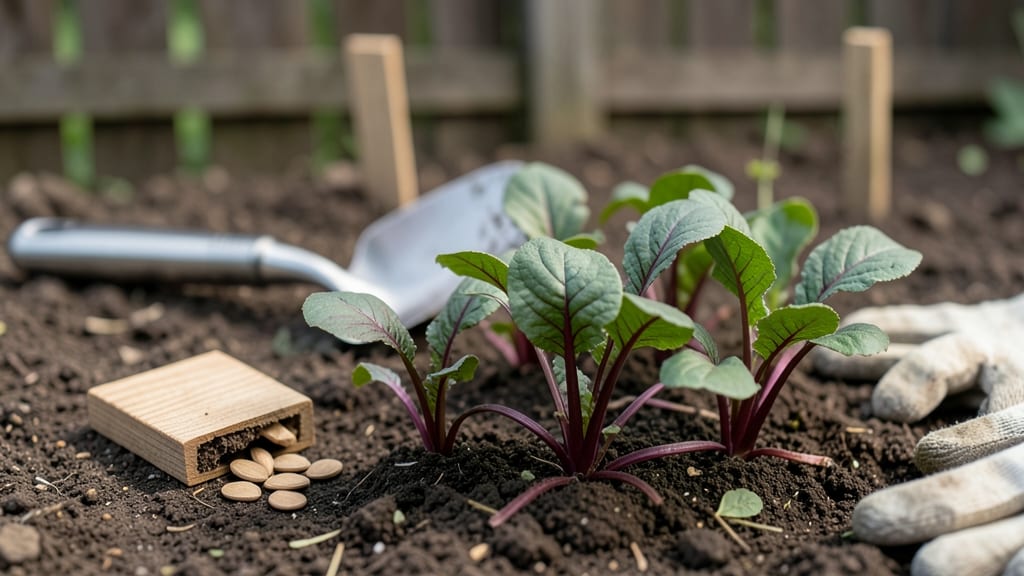
Planting beets in Zone 6b at the wrong time can turn your garden into a waiting game—slow germination or tough, woody roots instead of the sweet, tender 🍠 you crave.
The secret to fast, reliable growth lies in understanding your soil's hidden clues, like temperature and moisture, before you even drop those seeds.
Most gardeners in 6b rush to plant too early, only to watch their seeds sit stubbornly in cold soil. But timing isn't just about dates—it's about waiting for that perfect 45-85°F window when your beets will pop up in just 5-7 days.
I've learned the hard way that patience here pays off with harvests that start as early as May.
You'll discover exactly when to sow for two peak seasons: early spring (March-April) and late summer (July-August). These windows avoid the heat stress that turns beets bitter, while also sidestepping the frost risks that can stunt young plants.
Let's cut through the guesswork and get those seeds in the ground when they'll actually work for you.
Beyond timing, I'll share my top tricks for prepping soil and spacing—because even the best planting window won't save you from crowded roots or poor drainage. With these simple adjustments, you'll go from "maybe next year" to "harvest by July" in no time.
Best planting windows for beets in Zone 6b by season
Beets are cool-season crops that love Zone 6b’s moderate climate, but timing is everything. Plant too early, and frost will stunt seedlings. Plant too late, and roots turn woody or bitter.
The sweet spot? Soil temps between 45°F and 85°F—a range that aligns perfectly with two key windows: early spring and late summer. Let’s break down the exact months, frost dates, and soil prep tricks to maximize your harvest.
In Zone 6b, the last spring frost typically hits around April 15, while the first fall frost arrives by October 15. Beets thrive in this 165-day frost-free window, but their ideal planting times are much narrower.
Spring plantings should start 4-6 weeks before your last frost (mid-March to early April), while fall plantings need to be sown 8-10 weeks before the first frost (mid-July to early August). Missing these windows risks slow germination or poor-quality roots.
| Season | Planting Window | Soil Temp | Frost Considerations | Harvest Window |
|---|---|---|---|---|
| Spring | Mid-March to early April | 45°F–65°F | Sow 4–6 weeks before last frost (April 15) | May–June |
| Fall | Mid-July to early August | 60°F–85°F | Sow 8–10 weeks before first frost (Oct 15) | September–October |
| Extended Spring | Late April–May | 50°F–70°F | Use row covers for late frosts | July–August |
For spring plantings, aim to start seeds indoors 2-3 weeks before your target outdoor date if nights are still chilly. Direct-sow outdoors when soil reaches 45°F—use a soil thermometer to check. In Zone 6b, this usually means mid-March for early varieties.
If you’re impatient, try a mini greenhouse or cold frame to jumpstart germination in February, but be ready to protect seedlings with frost cloth if temperatures dip below 32°F.
Fall plantings are trickier because beets bolt (go to seed) when days shorten. To delay bolting, choose bolting-resistant varieties like ‘Detroit Dark Red’ and sow seeds in mid-July when soil is still warm (60°F+).
Succession plant every 2 weeks until early August for a staggered harvest. Mulch heavily with straw to keep roots cool and prevent woody texture as fall progresses.
Pro tip: Test your soil temperature before planting—beets won’t germinate well below 45°F or above 85°F. Use a moisture meter with a soil temp gauge (like the Thermometer by XtremepowerUS) for accuracy.
If temps are too high, wait a week or two; if too low, cover seeds with black plastic mulch to warm the soil faster. Consistency is key—fluctuating temps lead to uneven sprouts.
Don’t overlook succession planting! In Zone 6b, you can squeeze in 3-4 harvests per year by sowing every 2-3 weeks from March to August. Space seeds 1-2 inches apart and thin to 3-4 inches once seedlings have 2 true leaves.
This method ensures a steady supply of tender, sweet beets instead of one big harvest followed by a lull.
If you’re pushing the limits, try late-summer plantings in September for a winter harvest. Use row covers to extend the season and protect roots from early frosts.
Beets stored in sandy soil or harvested before hard frosts (28°F) can last 2-3 weeks in the fridge or be cured and stored like potatoes for months. Just avoid planting after September 1—roots will struggle to mature before frost.
One common mistake? Planting beets too early and then forgetting they’re still growing under winter mulch. If you sow in February, check for sprouts every 3-4 days—they’ll emerge slowly in cold soil.
Similarly, fall plantings need monitoring as days shorten. Use plant markers to track rows and avoid accidentally tilling them under.
For container gardening
Soil temperature secrets for fast beet germination in Zone 6b
Beet seeds need the right soil temperature to germinate reliably, and in Zone 6b, that means waiting for the ground to warm to at least 45°F—any colder, and your seeds will just sit there, waiting for spring.
I’ve watched my own seeds take 3 weeks to sprout when planted too early, only to bolt later from heat stress. The key is checking soil temperature before planting, not just relying on air temps.
Most gardeners in 6b make the mistake of planting in March when the air feels warm, but the soil is still too cold. Beets prefer soil between 45°F and 85°F—below 45°F, germination slows dramatically, and above 85°F, seeds may fail entirely.
I’ve found that waiting until mid-April for spring plantings or late July for fall plantings gives me that sweet spot for consistent sprouts.
⚠️ Zone 6b Soil Temp Warning
Don’t plant beets if your soil is:
- Below 45°F → Seeds rot or take 3+ weeks to sprout
- Above 85°F → Seeds may not germinate at all
- Inconsistent (fluctuating daily) → Weak seedlings
Pro Tip: Use a soil thermometer ($10 at garden centers) to check temps 1 inch deep—that’s where your seeds will be.
Testing soil temperature is simpler than it sounds. Grab a soil thermometer (or even a candy thermometer from the kitchen—just don’t tell anyone I said that!) and insert it 1 inch deep in your garden bed.
Check it on a shady day around 10 AM, when temps are most stable. If it reads 50°F or warmer, your beets are ready to go. I’ve had my best success planting when temps hover around 55-65°F—that’s the golden window for fast germination.
If your soil is too cold, don’t panic—there are ways to speed things up. Cover your seed rows with black plastic mulch for a week before planting to warm the soil by 5-10°F.
Or try pre-sprouting your seeds indoors: soak them overnight, then place them between damp paper towels in a warm spot. They’ll sprout in 3-5 days, and you can transplant the seedlings once soil temps rise. I’ve used this trick to get a jump on spring plantings in early April.
Slow germination? Blame cold soil, old seeds, or dry conditions. If your seeds take longer than 2 weeks to sprout, dig up one and check for signs of rot or mold. Overwatering or compacted soil can also suffocate seeds.
My solution? Loosen the soil with a hand fork before planting and keep it consistently moist (not soggy) until sprouts appear. A light mulch layer helps retain moisture without smothering seeds.
Once your beets finally break through the soil, thin them to 3-4 inches apart to prevent competition. I’ve found that early-morning watering keeps the soil cool and speeds up growth.
With the right soil temp and a little patience, you’ll go from seed to harvest in just 6-8 weeks—no more waiting games! 🌱