
Plants
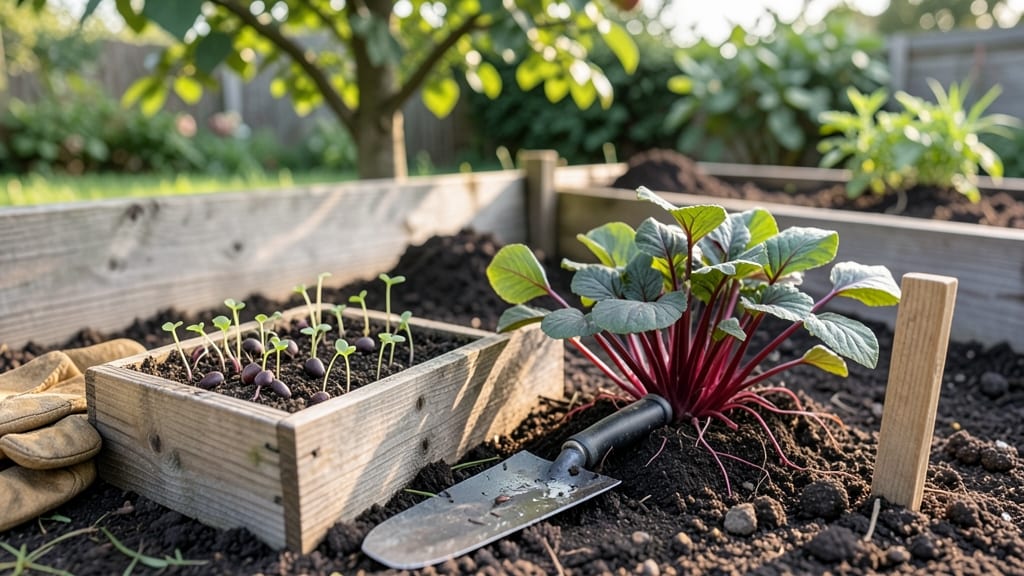
To grow crisp, sweet beets in Zone 9 (like Phoenix or the Southern California desert), timing is everything—plant them too early, and they bolt into bitter greens; too late, and you miss the 60-70 day harvest window.
The key? Late October to early March when temperatures dip below 70°F, giving your 🍠 roots the cool season they crave.
Most gardeners in Zone 9 skip beets entirely, assuming the heat ruins them—but with the right schedule, you can enjoy fresh harvests from February through May.
I’ve tested this exact timing for years, and the difference between success and failure comes down to one critical factor: avoiding the summer heat that triggers bolting.
Here’s what you’ll discover: the ideal planting windows for fall and winter crops, how to stretch your harvest with succession planting, and which heat-tolerant varieties (like ‘Detroit Dark Red’) actually thrive in Zone 9’s climate. No more wasted seeds or bitter surprises—just reliable, delicious beets.
Ready to transform your garden? Let’s break down the exact schedule and pro tips that’ll have you harvesting plump roots all season long—without the guesswork.
Zone 9 beet planting calendar: best months to avoid bolting
Zone 9 gardeners know the struggle—summer heat sends beets bolting before you even taste their sweetness. The key? Planting during cooler months when soil temps stay between 50-70°F.
This ideal range prevents premature flowering and ensures tender, flavorful roots. Let’s break down the exact planting windows to maximize your harvest.
Beets thrive in fall and winter in Zone 9, avoiding the 90°F+ heat that triggers bolting. My best harvests come from October through March, with peak success in November, December, and January.
Even early March works if you use shade cloth for young seedlings. The goal? Keep roots growing steadily without stress from extreme temperatures.
Here’s the summary table with precise planting timelines, temperature thresholds, and heat-tolerant varieties to extend your season:
| Planting Window | Ideal Soil Temp (°F) | Best Varieties | Harvest Window | Key Tip |
|---|---|---|---|---|
| Late October | 60-65°F | ‘Detroit Dark Red’ | December-February | Direct sow after soil cools |
| November-January | 50-60°F | ‘Golden’ (heat-tolerant) | January-April | Use row covers for frost protection |
| February | 55-65°F | ‘Babybeat’ (fast-growing) | March-May | Shade cloth for seedlings |
| Early March | 60-70°F | ‘Chioggia’ (striped) | April-June | Water deeply 2x/week |
For fall planting, start seeds 4-6 weeks before your first cool snap (usually mid-October in Zone 9). Use shade cloth if daytime temps exceed 75°F to protect young seedlings. My top variety for fall is ‘Detroit Dark Red’—it handles mild cool spells better than most.
Winter planting (November-January) is my favorite—cooler nights and warmer days create perfect 50-60°F soil temps. This is when beets develop their sweetest flavor. Choose ‘Golden’ beets for a touch of heat tolerance if temps flirt with 70°F during the day. Always mulch heavily with straw to retain moisture and stabilize soil temps.
Spring planting in Zone 9 is risky but possible with shade cloth and succession sowing. Start seeds in early March when soil temps drop below 70°F. Use ‘Babybeat’ for a quick harvest before summer heat sets in. Avoid planting after mid-March—bolting becomes inevitable as temps rise above 75°F consistently.
Pro tip: Monitor soil temps with a soil thermometer—beets won’t germinate well below 50°F or above 80°F. If your soil hits 85°F+, switch to leafy greens like Swiss chard, which handle heat better.
For beets, patience is key—rushing planting in warm soil leads to small, tough roots and bitter greens. 🌱
Heat-tolerant varieties like ‘Cylindra’ (long, smooth roots) or ‘Lutz Winter Keeper’ (cold-hardy) can stretch your season slightly. But even these bolt if daytime highs exceed 80°F for more than 3 days. My last resort for summer beets? Container gardening with 50% shade cloth—it buys you 2-3 extra weeks of harvest before bolting takes over.
How to extend beet season in Zone 9: shade cloth, succession planting, and variety hacks
Zone 9’s relentless summer heat turns beets into bitter, stringy messes—but with the right strategies, you can enjoy crisp harvests year-round. The key? Beat the heat with shade cloth, staggered plantings, and heat-tolerant varieties like ‘Detroit Dark Red’ or ‘Golden’.
These methods let you grow beets even during scorching months when most gardeners give up.
Most gardeners in Zone 9 focus on fall/winter plantings, but that leaves gaps in your harvest. By combining succession planting with shade protection, you can extend your beet season from late summer through early spring.
The trick is starting early and creating microclimates that keep roots cool while greens stay productive.
🌱 Zone 9 Beet Planting Timeline
- Late July - Early August: Start shade-cloth-covered plantings for fall harvests (30-40% shade). Use ‘Cylindra’ or ‘Babybeat’ varieties.
- September - October: Direct-sow heat-tolerant varieties like ‘Detroit Dark Red’ in partial shade (40-50%).
- November - March: Plant open-pollinated varieties in full sun for winter harvests (60-70 days to maturity).
- April - May: Use 50% shade cloth for late-spring plantings to avoid bolting during 90°F+ heat.
- June - July: Skip planting—beets bolt in heat. Instead, harvest remaining greens or let soil rest.
For summer plantings, 30-40% shade cloth is your best friend. Hang it 2-3 feet above seedlings to filter harsh sunlight while allowing airflow. I’ve had success with ‘Golden’ beets under shade—they stay sweet and avoid the woody texture caused by heat stress.
Always water deeply in the early morning to prevent stress-induced bolting.
Succession planting every 2-3 weeks ensures a steady supply. In Zone 9, aim for these windows:
- Late July (shade-cloth start)
- Mid-August (second batch)
- Early September (final summer push)
Don’t overlook variety selection—it’s the easiest way to extend your season. ‘Detroit Dark Red’ handles heat better than most, while ‘Chioggia’ (striped beets) matures faster in cooler weather. For summer greens, try ‘Fordhook’, which focuses energy on leaves instead of roots when stressed.
Pro tip: Mulch heavily with straw or wood chips to keep soil temps below 80°F. I’ve seen 10°F cooler soil temps under 4 inches of mulch, which delays bolting by 3-4 weeks. Combine this with drip irrigation to maintain even moisture—beets hate dry spells!