
Plants
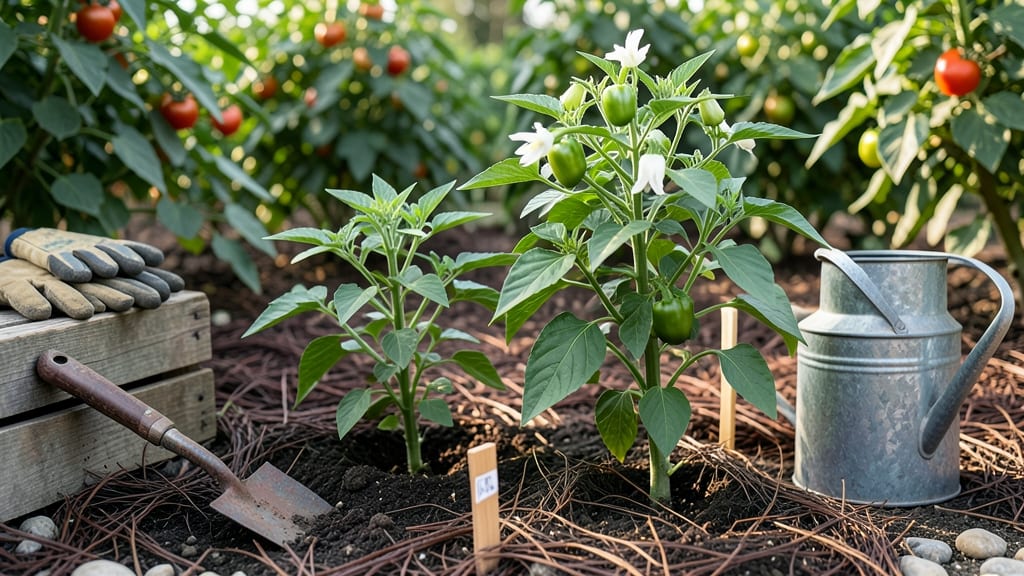
Timing your 🌶️ bell pepper planting in Southern California isn’t just about avoiding frost—it’s about beating the heat before it beats your plants. Start too early, and your peppers will bolt in the desert sun; wait too long, and they’ll never mature past that sad, shriveled state.
The key is knowing when to plant for your specific microclimate, whether you’re in coastal Zone 10 or inland Zone 9.
Most gardeners in Southern California swear by two planting windows: early spring (February–March) for a summer harvest and late summer (August–September) for a fall crop. But here’s the catch—soil temperature matters more than calendar dates.
Your 🌶️ bell peppers need soil that’s warmed to at least 60°F to germinate properly, and coastal areas can stay cooler longer than inland spots.
What if you’ve missed the spring window or dread another summer of wilting plants? Don’t panic—there are smart ways to extend your growing season, like using shade cloth or choosing heat-tolerant varieties.
I’ll walk you through the exact steps to time your planting for success, no matter where you are in the region.
Ready to grow peppers that actually thrive? Let’s dive into the heat-zone safe start dates that’ll have you harvesting crisp, flavorful 🌶️ bell peppers from May through November—without the guesswork.
Southern California bell pepper planting calendar by heat Zone
Southern California’s diverse climate means bell pepper planting windows vary dramatically between coastal Zone 10, inland Zone 9, and desert Zone 8 areas. Unlike northern climates, we rarely face frost, but heat stress and soil temperature are the real challenges.
I’ve broken down the perfect timing for each zone to ensure your peppers thrive without bolting or wilting.
Coastal areas (Zone 10) enjoy milder winters and cooler summers, making them ideal for early spring and late summer plantings. Inland (Zone 9) and desert (Zone 8) zones, however, demand precise timing to avoid scorching soil or extreme afternoon heat.
The key? Plant when soil temps hit 60°F+ and nights stay above 55°F.
| Zone | Best Planting Window | Soil Temp Requirement | Succession Planting | Harvest Window |
|---|---|---|---|---|
| Zone 10 (Coastal) | Feb 15 - Mar 15 Aug 1 - Aug 31 |
60°F+ | Every 3 weeks (spring/fall) | May - Oct Sept - Nov |
| Zone 9 (Inland) | Mar 1 - Mar 31 Aug 15 - Sep 15 |
65°F+ | Every 4 weeks (summer) | June - Oct Sept - Dec |
| Zone 8 (Desert) | Mar 15 - Apr 15 Sep 1 - Sep 30 |
70°F+ | Every 5 weeks (fall) | July - Oct Oct - Dec |
For Zone 10 coastal gardens, start seeds indoors in January for transplanting by mid-February. The cooler ocean breezes extend your growing season, allowing a second planting in August for a fall harvest. Use shade cloth in July to protect young plants from unexpected heat spikes.
Inland Zone 9 areas should focus on late March transplants, when daytime temps stabilize. Avoid planting before March 1st, as cooler nights can stunt growth. For succession planting, sow every 4 weeks through August to stagger harvests and avoid glut.
Desert Zone 8 gardens demand patience—wait until mid-April when soil temps exceed 70°F. Early plantings risk heat stress, while late summer’s September sowings produce peppers just before winter rains. Always use mulch to retain moisture and cool roots.
Pro tip: Test soil temps with a soil thermometer before planting. Bell peppers need consistent warmth—if your soil is below 60°F, wait another week. In Zone 8, afternoon temps over 95°F can scorch leaves, so provide 30% shade cloth during peak heat.
My favorite heat-tolerant varieties for Southern California include 'Carolina Wonder' (red) and 'Aristotle' (purple), both of which handle our summers better than standard hybrids. Pair them with basil or marigolds to deter pests and improve flavor.
Don’t forget: late summer succession plantings in August-September can yield peppers through November, especially in Zone 10. Just be prepared to harvest before winter rains to avoid soil-borne diseases.
With these zone-specific windows, you’ll avoid the two biggest mistakes: planting too early (bolting) or too late (underripe peppers). Happy growing—your first harvest will be worth the timing!
How to avoid common bell pepper planting mistakes in Southern California
Southern California’s microclimates create unique challenges for bell pepper growers. While coastal areas stay mild year-round, inland valleys can swing from chilly nights to scorching afternoons in just days.
These extremes often lead to three critical mistakes: planting too early when soil is still cold, ignoring heat stress thresholds, and failing to protect plants during summer’s peak intensity. Let’s fix these before they ruin your harvest.
First, soil temperature is the silent killer of young bell pepper seedlings. Many gardeners assume air temperature is the only factor, but peppers need soil to reach at least 60°F before transplanting.
In inland valleys like San Bernardino, this often means waiting until mid-March or later—even if daytime temps feel warm. Coastal areas can start earlier, but never rush seedlings into cold ground.
Here’s the hard truth: cold soil stunts root growth, making plants vulnerable to disease and pests. I’ve seen transplants wilt within days when moved too soon. The fix?
Use a soil thermometer to confirm temps before planting. For direct sowing, wait until soil hits 70°F—this ensures strong, resilient plants that can handle summer’s heat.
Coastal (Zone 10): Plant Feb–March; avoid June–Aug without shade.
Inland (Zone 9): Wait until March–April; use shade cloth 30–50% in summer.
Desert (Zone 8): Start March–April; succession plant in Aug–Sept for fall harvests.
Next, summer heat is the real villain for bell peppers in Southern California. Without protection, plants stop fruiting or develop blossom-end rot from inconsistent watering. My solution? Shade cloth is non-negotiable. A 30–50% shade cloth during peak sun hours (11 AM–3 PM) keeps soil cooler and reduces stress.
For desert areas, I’ve had success with whitewashed rows—spreading a thin layer of lime or reflective mulch to bounce back sunlight.
Don’t forget succession planting for a second harvest. After your spring crop bolts in summer, sow heat-tolerant varieties like 'Carolina Wonder' in late August. These peppers mature faster in cooler fall temps, giving you a second bounty before winter sets in.
I’ve extended my harvest by 6–8 weeks using this trick—just space plants wider (18–24 inches apart) to prevent crowding.
Finally, watering habits make or break your peppers. Deep, morning watering (before 10 AM) prevents fungal diseases, while drip irrigation keeps leaves dry. Avoid wetting foliage—this invites powdery mildew, a common issue in Southern California’s humid summers.
Pro tip: Mulch heavily with straw or wood chips to retain moisture and regulate soil temps.
By avoiding these three mistakes—cold soil, unprotected heat, and poor watering—you’ll turn Southern California’s climate into an advantage. Your peppers will thrive, and you’ll enjoy a longer, more productive harvest than ever before. 🌶️