
Plants
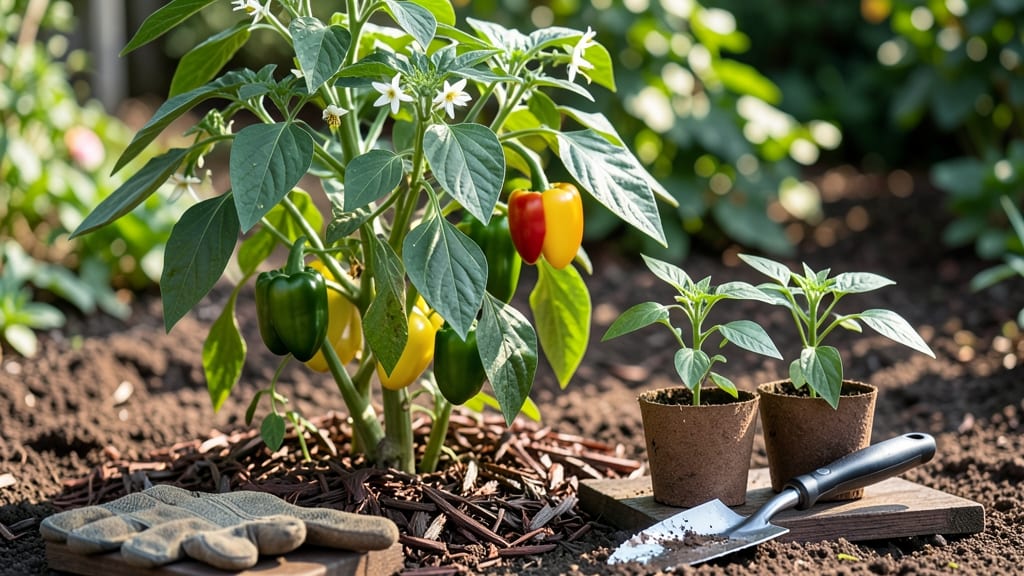
Planting your bell peppers 🌶️ in Virginia at the wrong time can mean the difference between a bumper crop and a sad, wilted disappointment.
The key isn’t just waiting for spring—it’s knowing when the soil is warm enough (at least 60°F) and the frost danger has truly passed in your specific zone.
In Virginia’s 7a-8a zones, that window typically opens between April 15 and May 15, but don’t just guess—your last frost date (and even your microclimate) can shift that by weeks. Whether you’re starting seeds indoors or transplanting seedlings, timing matters more than you might think.
I’ve learned the hard way that planting too early leads to stunted growth, while waiting too long cuts your harvest short. The solution? A mix of checking soil warmth, adjusting for your local frost patterns, and using tricks like black plastic mulch to jumpstart the season.
Let’s break down exactly when to plant in your corner of Virginia—plus how to extend your growing season so you can enjoy fresh peppers from July through October. Ready to get started?
Virginia’s last frost dates by Zone: the exact windows to plant bell peppers
Virginia’s USDA zones 5a-8a create a patchwork of planting windows for bell peppers, where a late-March frost in the mountains can meet April warmth in Tidewater. The key?
Knowing your last average frost date and waiting until soil hits 60°F+—peppers won’t germinate below 55°F, and cold soil stunts growth. Below, I’ve broken down the exact planting windows by zone, plus how to adjust for early springs or microclimates (like urban heat islands or sheltered valleys).
For Zone 5a (e.g., Roanoke, Blacksburg), the last frost typically arrives April 15–May 1, but peppers need 90+ frost-free days to mature. That means late May is your cutoff—plant after May 10 only if you’re growing fast-maturing varieties (like ‘Early California Wonder’).
In Zone 6a (Richmond, Lynchburg), you’ve got a 2-week buffer: aim for April 20–May 10, with soil warming tricks if April stays chilly.
Here’s the summary table with your zone-specific planting windows, soil temp thresholds, and microclimate adjustments:
| USDA Zone | Avg. Last Frost | Planting Window | Soil Temp (°F) | Microclimate Tip |
|---|---|---|---|---|
| 5a (e.g., Roanoke) | April 15–May 1 | May 10–15 (or start indoors April 1) | 65°F+ (use black plastic mulch) | Plant near south-facing walls or use row covers. |
| 6a (e.g., Richmond) | April 1–15 | April 20–May 10 | 60°F+ (test with soil thermometer) | Urban areas warm faster—plant 1 week earlier. |
| 7a (e.g., Fredericksburg) | March 15–April 1 | April 1–15 (or direct sow March 20) | 55°F+ (peppers tolerate cooler soil) | Coastal areas: watch for delayed frosts—use cold frames. |
| 7b (e.g., Norfolk) | March 1–15 | March 15–April 1 (or direct sow Feb 20) | 50°F+ (with row covers) | Tidewater: earliest zone—start seeds indoors Jan 15. |
| 8a (e.g., Virginia Beach) | February 15–March 1 | February 20–March 15 (or direct sow Jan 1) | 45°F+ (with protection) | Longest season: plant biennial crops for fall harvests. |
Notice how Zone 8a (Virginia Beach) lets you plant as early as February, while Zone 5a demands patience until mid-May. The difference? 100+ days of growing season.
Use this rule of thumb: subtract your last frost date from your first frost date, then subtract 90 days (peppers’ minimum maturity). If the math leaves less than 60 days, stick to short-season varieties or container gardening.
Microclimates throw a wrench into these dates. For example, Richmond’s urban heat island can push soil temps
How to warm up Virginia soil faster: tricks to extend your bell pepper growing season
Virginia’s cool spring soils can delay bell pepper germination for weeks. Since peppers need soil temperatures of 65°F+ to thrive, waiting for nature to warm the earth often means missing the ideal planting window.
The good news? With a few simple tricks, you can accelerate soil warming by 2-4 weeks, giving your peppers a head start and a longer harvest season.
I’ve tested these methods in my Zone 7a garden, and they’ve consistently helped me push my first pepper harvest from late August to mid-July. The key is combining passive warming (like mulch) with active protection (like row covers) to create the perfect microclimate for your plants.
Soil Warming Methods: Pros & Cons
- ✅ Raises soil temp by 10-15°F
- ✅ Suppresses weeds naturally
- ✅ Lasts multiple seasons
- ❌ Can overheat soil in summer
- ❌ Requires cutting holes for plants
- ✅ Extends season by 3-4 weeks
- ✅ Protects from light frost
- ✅ Reusable for years
- ❌ Needs staking for support
- ❌ Can trap too much moisture
- ✅ Creates 5-10°F warmer microclimate
- ✅ Works year-round
- ✅ Protects from pests
- ❌ Expensive upfront cost
- ❌ Requires ventilation
- ✅ Basil raises soil temp by 2-3°F
- ✅ Improves flavor naturally
- ✅ Free method
- ❌ Limited temperature boost
- ❌ Requires space management
🌱 Best for Virginia: Combine black plastic mulch + row covers for maximum warmth
My favorite budget-friendly combo is black plastic mulch paired with floating row covers. The mulch heats the soil while the covers add an extra 5-8°F of warmth.
For a low-tech solution, try planting peppers near tall plants like corn or sunflowers, which naturally warm the soil with their shade.
To monitor soil temperature, invest in a $10 soil thermometer (available at garden centers). Check temps at 10 AM on sunny days—that’s when soil is warmest. Aim for 65°F+ for germination and 70°F+ for consistent growth.
If your soil is still below 60°F in May, don’t wait—use these tricks to create the perfect conditions.
One pro tip: Pre-warm your soil 2-3 weeks before planting by laying down black plastic mulch. Remove it just before transplanting to avoid disturbing roots. For containers, use heat mats ($20-$30) under pots to keep roots cozy until the ground warms up naturally.
Remember, warmer soil = faster germination. With these methods, you’ll see your bell pepper seeds sprouting in 7-10 days instead of the usual 2-3 weeks. That means earlier harvests and a longer growing season—perfect for Virginia’s unpredictable springs! 🌶️