
Plants
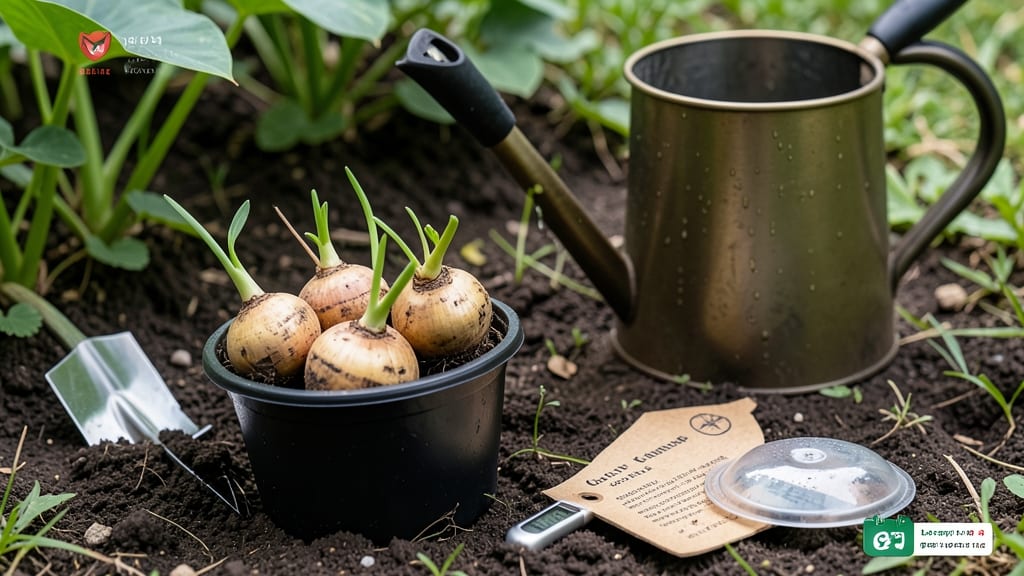
Planting caladium bulbs at the wrong time in Zone 7 can mean the difference between vibrant foliage that steals the show and sad, stunted leaves that never reach their potential. The key isn't just waiting for spring—it's understanding when your soil is truly ready to support these tropical beauties.
In Zone 7, where last frost typically lingers around mid-April, rushing to plant too early risks exposing your 🌿 caladiums to chilly soil that halts root growth. But waiting until the heat of summer means missing the perfect window for establishing strong plants before summer's intensity sets in.
I've learned the hard way that soil temperature matters more than the calendar. When daytime highs consistently hit 65°F and nighttime lows stay above 55°F, that's your green light to plant.
This usually lands in late April to early May for most of Zone 7—but there's more to it than just dates.
Let me walk you through the exact timing cues, soil prep secrets, and how to give your caladiums the best possible start. By the end, you'll know exactly when to get those bulbs in the ground for foliage that'll make your garden the envy of the neighborhood.
Zone 7 caladium planting timeline: soil temperature rules for perfect growth
Timing your caladium bulbs perfectly in Zone 7 means waiting for soil temperatures to hit 55-60°F—the magic threshold where roots wake up but frost danger fades.
Plant too early, and you risk frost damage to tender foliage; too late, and your plants may struggle to establish before summer heat arrives. Let’s break down the science so you get vibrant foliage all season long.
In Zone 7, the last frost date typically falls around mid-April, but soil warms more slowly than air. While your thermometer might show 70°F by May, the ground could still be too cold for caladiums.
Use a soil thermometer (not air temp!) to confirm readiness—plant when readings consistently hit 60°F+ for 3+ days. This usually aligns with late April to early May in most of Zone 7.
Here’s the catch: Northern Zone 7 (e.g., Cincinnati, Pittsburgh) may need to wait until early May, while Southern Zone 7 (e.g., Atlanta, Raleigh) can plant as early as mid-April.
Check your microclimate—low spots or shady gardens stay cooler longer. If you’re unsure, err on the side of waiting; caladiums forgive delays better than they forgive frost.
| Stage | Action | Soil Temp | Zone 7 Timeline |
|---|---|---|---|
| Prep Bulbs | Inspect corms for rot; soak in fungicide if needed | N/A | Early April |
| Test Soil | Use thermometer; aim for 55-60°F | 55-60°F | Late April |
| Plant | 4-6" deep in rich, moist soil | 60°F+ | Early May (North) / Mid-April (South) |
| Mulch | Apply 2-3" mulch to retain moisture | N/A | Planting Day |
| Fertilize | Light feed with 10-10-10 after sprouts appear | N/A | May-June |
Why soil temperature matters more than air temp: Caladiums are tropical plants that need warmth to activate root growth. Below 55°F, their corms (bulbs) stay dormant, and above 60°F, they’ll sprout faster.
Pro tip: If your soil is still cool in May, opt for container planting—pots warm up quicker in sunlight and give you control over soil conditions.
Watch for false springs, a common trap in Zone 7. A warm March might trick you into planting early, but a late frost in April can kill emerging shoots.
To hedge your bets, plant half your bulbs in early May and the rest in late May. This staggered approach ensures you’ll have continuous foliage even if early plantings fail.
For container gardeners, the rules relax slightly. Pots in full sun can reach planting temps 1-2 weeks earlier than in-ground soil. Just ensure your containers have drainage holes—caladiums hate soggy roots.
Black pots absorb heat fastest, while terracotta stays cooler but dries out quicker. Choose based on your microclimate and watering habits.
Don’t overlook mulch as your secret weapon. A 2-3" layer of straw or shredded leaves keeps soil warm longer in spring and retains moisture during Zone 7’s hot summers.
Apply mulch immediately after planting to create an insulated growing environment that mimics their tropical habitat. Avoid thick mulch piles, though—too much can smother corms.
If you’re in Zone 7a (cooler end), like the mountains of Virginia or West Virginia, push planting to early May unless you have a heated greenhouse or cold frame. These areas experience late frosts well into April, and caladiums won’t tolerate even light frost.
For Zone 7b (warmer), you can start as early as mid-April, but always confirm with your local Cooperative Extension Service for hyper-local advice.
How to prepare caladium bulbs for Zone 7 planting: pre-treatment tips for stronger foliage
Preparing your caladium bulbs before planting in Zone 7 is the secret to vibrant foliage and robust growth. These tropical beauties thrive when given the right pre-treatment care, especially in our variable spring conditions where frost risks linger into April.
I’ve found that soil enrichment and proper bulb inspection can make all the difference between lackluster leaves and show-stopping displays.
First, inspect each caladium bulb for signs of rot, soft spots, or mold. Discard any damaged bulbs immediately—healthy starts lead to stronger plants. Next, consider a short chilling period (2-4 weeks at 50-55°F) to mimic their natural dormancy cycle.
This step is especially helpful if you’re planting early in Zone 7, where soil may still be cool.
- Step 1: Inspect Bulbs
- Step 2: Chill for 2-4 Weeks
- Step 3: Enrich Soil
- Step 4: Choose Planting Method
- Step 5: Plant at Correct Depth
Remove dried roots and check for soft spots. Healthy bulbs should feel firm and heavy for their size. Step 2: Chill for 2-4 Weeks
Place bulbs in a cool, dark location (50-55°F) to break dormancy. Use a paper bag with ventilation holes. Step 3: Enrich Soil
Mix compost and perlite into garden soil for better drainage. Aim for a pH of 6.0-6.5. Step 4: Choose Planting Method
In-ground: Best for full-season growth. Containers: Ideal for extending the season or mobile displays. Step 5: Plant at Correct Depth
Bury bulbs 4-6 inches deep with the eyes (growth points) facing up. Space 8-12 inches apart.
For soil enrichment, I recommend amending your garden beds with well-rotted compost and a handful of balanced fertilizer (like 10-10-10) before planting. Caladiums love rich, moist soil but hate soggy conditions—so add perlite or sand if your soil drains poorly.
In containers, use a mix of potting soil, peat moss, and perlite (equal parts) for optimal results.
Deciding between in-ground planting and containers depends on your goals. In-ground planting gives caladiums more stability and room to spread, but containers let you move them to partial shade during hot afternoons—a must in Zone 7’s summer heat.
If using containers, ensure they have drainage holes and are at least 12 inches deep to accommodate the bulbs.
After pre-treatment, monitor your caladium bulbs closely for the first 2-3 weeks post-planting. Keep the soil consistently moist (but never waterlogged) and watch for new shoots emerging from the soil.
Once established, these plants reward you with bold, heart-shaped leaves in shades of pink, red, and white—perfect for adding drama to shady garden spots.
Pro tip: If you’re in a warmer microclimate within Zone 7 (like near the coast), you can plant as early as mid-April. For cooler inland areas, wait until early May when soil temperatures consistently stay above 65°F. Timing is everything for these tropical divas!