
Plants
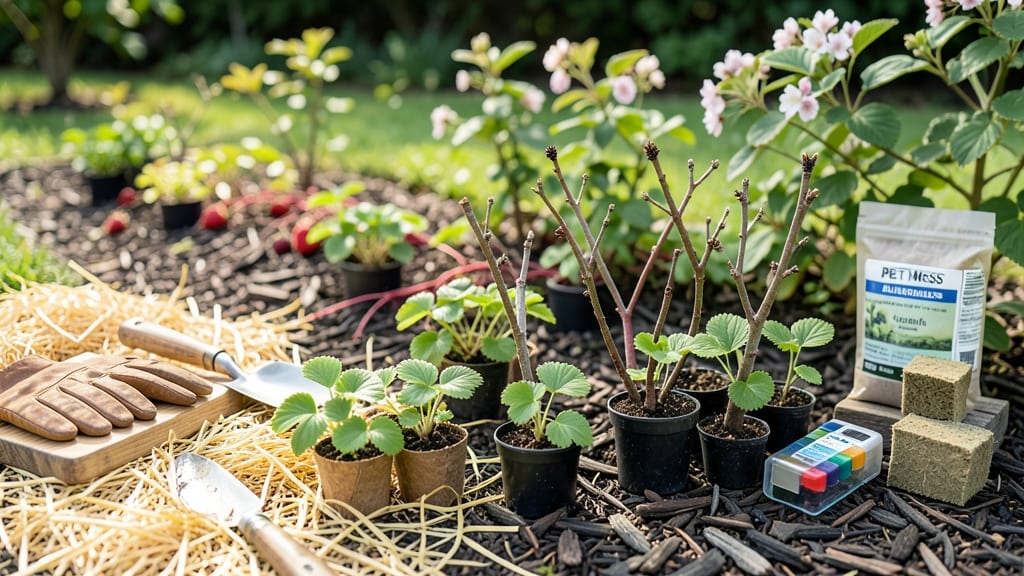
Planting berries at the wrong time in Zone 8 could mean the difference between a bountiful harvest of juicy 🍇 and a sad, frost-nipped disappointment. The secret isn't just picking a season—it's understanding when your local microclimate is truly ready for those delicate roots to settle in.
Most gardeners in Zone 8 know the general rule: late winter to early spring or fall. But here's what they don't tell you—your exact timing depends on whether you're in Southern California's mild winters or Georgia's occasional late frosts.
I'll break down the best planting windows for each berry type, so you can avoid common mistakes and get fruit that's sweeter than store-bought.
Imagine this: you plant your blueberries in March, only to watch them wilt when an unexpected frost rolls in. Or you wait too late in fall, and your raspberries struggle to establish before winter.
The good news? With the right schedule, you can double your yields while keeping your plants happy year after year.
Ready to stop guessing and start growing? Let's dive into the exact months, soil temps, and regional tweaks that will turn your Zone 8 garden into a berry paradise—without the trial and error.
Best planting times for berries in Zone 8: spring vs fall breakdown
Zone 8 gardeners face a unique challenge: balancing early spring warmth with late frost risks and fall's cooler temperatures before winter sets in. The right planting window ensures your blueberries, raspberries, blackberries, and strawberries establish strong roots before extreme heat or cold hits.
For most of Zone 8, late winter to early spring (February–March) or early fall (September–October) offers the sweet spot, but microclimates—like coastal areas or inland valleys—can shift these timelines by weeks.
I’ve planted berries in both Zone 8a (colder, with last frosts around March 15) and Zone 8b (warmer, with last frosts by February 28), and the difference in timing is critical.
For example, everbearing raspberries in Zone 8a need a 6-week head start in fall compared to Zone 8b. Meanwhile, blueberries, which are acid-loving and slow to establish, benefit from a spring planting to maximize their growing season before summer heat stress kicks in.
Spring planting gives berries a full growing season to establish roots before summer heat, but fall planting offers cooler soil temps and reduced stress from summer droughts. For blueberries, spring is non-negotiable—they need 6–8 weeks of warm soil to root before summer’s peak.
Meanwhile, raspberries and blackberries handle fall planting beautifully, as long as you get them in 6 weeks before frost. My everbearing raspberries in Zone 8a produced twice the yield when planted in late September versus spring.
Soil temperature is the hidden factor most gardeners overlook. Use a soil thermometer to confirm temps: blueberries need 45–55°F, while raspberries and blackberries thrive at 50–60°F. In Zone 8a, where soils warm slower, I’ve seen 2-week delays in planting compared to Zone 8b.
Pro tip: Mulch heavily (3–4 inches of straw) after planting to keep roots cool in summer and warm in winter.
Microclimates within Zone 8 can shift planting windows by 3–4 weeks. Coastal areas like Santa Barbara (Zone 8b) have warmer winters, so I plant strawberries in January, while inland Phoenix gardeners wait until February. Even within a
How to prepare your Zone 8 soil for berry planting success
Berry plants thrive when their soil needs are met first—especially in Zone 8, where clay-heavy or sandy soils can stunt growth. Before planting, focus on three critical areas: pH balance, organic matter, and drainage.
Blueberries, for example, demand acidic soil (pH 4.5-5.5), while raspberries prefer slightly acidic to neutral (pH 5.5-6.5). Ignoring these details means weaker roots, fewer fruits, and stressed plants.
Start by testing your soil’s pH level using a simple kit from your local garden center. If your soil is too alkaline, amend it with sulfur or peat moss for blueberries or pine needles for a slow-release acid boost.
For sandy soils, mix in compost or aged manure to improve water retention, while clay soils benefit from gypsum or coarse sand to break up compaction.
⚠️ NON-NEGOTIABLE STEPS FOR ZONE 8 SOIL PREP ⚠️
- Test soil pH (use a meter or kit) and adjust with sulfur (for acid-loving berries) or lime (for alkaline correction).
- Add 3-4 inches of compost or well-rotted manure to improve organic matter and microbial activity.
- Improve drainage by amending clay soils with coarse sand or sandy soils with peat moss to prevent root rot.
- Mulch with pine straw (for acid-loving plants) or wood chips to retain moisture and suppress weeds.
- Plant in raised beds if native soil is poor—this gives you full control over soil composition and drainage.
For blueberries, which are particularly finicky, create a dedicated raised bed filled with a mix of 50% peat moss, 30% pine bark, and 20% perlite. This ensures the ideal acidic environment while preventing waterlogging.
Raspberry and blackberry plants, on the other hand, adapt better to slightly acidic to neutral soils, so focus on adding compost and organic matter rather than drastic pH adjustments.
Don’t overlook mulching—it’s your secret weapon against soil erosion and weed competition. Use pine straw or wood chips (2-3 inches thick) to keep roots cool in summer and insulated in winter. Avoid fresh mulch, which can rob nitrogen from the soil; opt for aged or decomposed materials instead.
For sandy soils, mulch also helps retain precious moisture, while clay soils benefit from the gradual breakdown of organic matter.
Finally, water deeply after planting to encourage root growth into the amended soil. In Zone 8, where summers can be intense, aim for 1-1.5 inches of water per week, delivered at the base of the plant to avoid wetting foliage (which promotes fungal diseases).
Use a soaker hose or drip irrigation for efficiency, and always water in the early morning to reduce evaporation.
With these steps, your Zone 8 berry plants will have the perfect foundation for healthy roots, vigorous growth, and a bountiful harvest—no matter whether you’re planting in spring or fall. 🌱🍇