
Plants
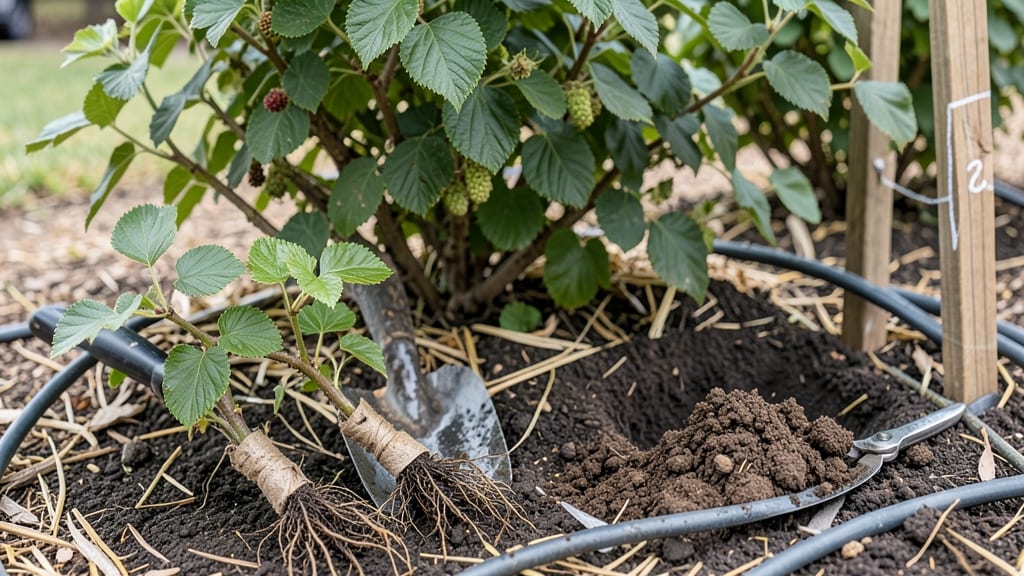
Planting blackberries in Central Texas at the wrong time can mean the difference between a thriving 🫐 bush and one that struggles to survive the heat or frost.
The secret to success lies in understanding exactly when to plant—before the last frost but after the soil warms enough to encourage strong root growth.
Most Central Texas gardeners assume spring is the only option, but late winter through early spring (February to March) gives blackberries the 4-6 weeks they need to establish roots before summer’s intensity.
This timing aligns perfectly with USDA Zone 8a’s climate, where early spring’s cooler temperatures reduce stress while still allowing for root development.
Why does this matter? Because planting too early risks heat stress, while waiting too late leaves young plants vulnerable to frost. I’ll walk you through the exact window, soil prep tips, and how to adjust for your specific microclimate—whether you’re in Austin’s urban heat or Waco’s slightly cooler stretches.
Ready to set your blackberries up for a bountiful harvest? Let’s dive into the critical factors that determine the best time to plant in your backyard, so you can avoid common mistakes and enjoy sweet, homegrown berries by summer.
Optimal blackberry planting months in Central Texas for maximum root establishment
Central Texas gardeners know that planting blackberries at the wrong time can mean the difference between a thriving berry bush and one struggling to survive. The ideal window for planting—November through early December—aligns perfectly with the region’s cooler temperatures and moisture availability before winter dormancy.
This timing ensures root establishment happens before the ground freezes, while avoiding the summer heat stress that can overwhelm young plants.
Why does this matter? Blackberries need 4-6 weeks of consistent soil temperatures between 50°F and 65°F to develop strong roots. Planting in late fall gives them this head start, allowing roots to harden off before winter’s chill.
Plus, this window avoids the peak summer heat, which can cause transplant shock and poor growth.
Here’s the key: Central Texas’s USDA Zone 8a climate means first frost typically arrives around mid-November. Planting in November or early December ensures your blackberries have time to establish roots before dormancy, while still benefiting from fall moisture and cooler air temperatures.
This balance is critical for frost resilience and spring vigor.
One common mistake is waiting until spring. While spring planting is possible, it often leads to heat stress as temperatures rise, slowing root growth and increasing watering demands.
Fall planting, on the other hand, leverages the natural rainfall of late autumn and reduces the need for supplemental irrigation during critical root development.
Another advantage of fall planting is the reduced pest pressure. Many insects and diseases are less active in cooler weather, giving your blackberries a head start without the early-season threats that spring plantings face.
This is especially important for thornless varieties, which are more susceptible to damage from pests and diseases.
To prepare for fall planting, focus on soil preparation. Blackberries thrive in well-draining soil with a pH between 5.5 and 6.5. Amend your soil with compost or aged manure to improve fertility and structure.
If your soil is clay-heavy, mix in sand or perlite to prevent waterlogging, which can suffocate roots.
Here’s a quick checklist for fall planting success:
- Test your soil pH and adjust if needed.
- Choose a sunny location with at least 6-8 hours of sunlight daily.
- Space plants 4-6 feet apart for thornless varieties or 6-8 feet apart for traditional types.
- Water deeply after planting to encourage root growth.
Now, let’s dive into the specifics with this summary table outlining the optimal planting window, soil conditions, and care requirements for Central Texas blackberries:
| Planting Window | Soil Temperature | Moisture Needs | Preparation Tip |
|---|---|---|---|
| Late November | 50°F - 55°F | Moderate (natural rainfall) | Amend soil with compost |
| Early December | 45°F - 50°F | Low (reduce watering) | Mulch to retain moisture |
| Mid-December | Below 45°F (dormancy) | Minimal (frost protection) | Cover roots with mulch |
Once planted, focus on mulching to protect roots from temperature fluctuations and retain soil moisture. Use 2-3 inches of organic mulch, like straw or wood chips, around the base of the plant.
This layer acts as insulation, helping roots survive mild winter freezes while still allowing water to penetrate the soil.
After planting, monitor your blackberries for signs of stress or disease. Yellowing leaves or wilting can indicate overwatering or poor drainage, while stunted growth may signal nutrient deficiencies.
Adjust your care routine as needed, but avoid fertilizing in late fall—this can stimulate new growth that won’t harden off before winter.
By planting in this 4-6 week window, you’ll give your blackberries the best chance to establish strong roots before winter, ensuring a productive harvest the following season. The effort pays off with healthier plants, fewer pests, and sweeter berries in years to come.
🫐
Critical factors that determine your exact planting date in Central Texas
Your exact planting date for blackberries in Central Texas depends on three key variables: your local microclimate, soil type, and the blackberry variety you choose. Austin’s milder winters may allow planting a week earlier than Waco’s colder zones, while clay soils need different prep than sandy loam.
Even the choice between thornless and traditional varieties affects timing—thornless types often need earlier planting for better establishment.
Start by checking your last frost date, which varies by location. For most of Central Texas, this falls between February 15 and March 1. Planting 4-6 weeks before your last frost gives roots time to establish before summer heat arrives.
For example, if your frost date is February 28, aim for planting by January 20. Use the USDA Plant Hardiness Zone 8a as your baseline, but adjust for local conditions.
Soil temperature is your best indicator—wait until soil warms to 55°F (13°C) at least 6 inches deep. In Central Texas, this typically occurs in late February to early March. Use a soil thermometer to confirm; planting too early in cold soil can cause root rot. Clay soils retain moisture longer and cool slower, while sandy soils warm up faster. Amend clay with compost to improve drainage, and add organic matter to sandy soils to retain moisture.
Planting Timing: Pros and Cons by Factor
| Factor | Pros | Cons |
|---|---|---|
| Microclimate (Austin vs. Waco) | Austin’s milder winters extend planting window by 1-2 weeks | Waco’s colder nights risk frost damage if planted too late |
| Soil Type (Clay vs. Sandy) | Clay holds moisture for slower root growth; sandy warms faster | Clay can suffocate roots if not amended; sandy loses moisture quickly |
| Variety (Thornless vs. Traditional) | Thornless varieties establish faster; traditional types need longer root development | Thornless may need earlier planting to avoid heat stress |
| Rainfall Timing | Spring rains reduce irrigation needs post-planting | Late planting may coincide with summer drought |
💡 Pro Tip: Test soil moisture weekly—ideal planting conditions include 1-2 inches of rainfall or consistent irrigation within 7 days of planting.
For thornless blackberries, prioritize planting in late February to take advantage of their faster establishment. These varieties, like ‘Natchez’ or ‘Arapaho’, benefit from early root growth to support their vigorous canes.
Traditional varieties, such as ‘Cheyenne’ or ‘Ouachita’, can wait until early March but require 6-8 weeks of root development before summer heat arrives.
Monitor rainfall patterns in the weeks leading up to planting. Central Texas typically sees 2-3 inches of rain in February, but drought conditions can delay planting. If rainfall is scarce, schedule irrigation to maintain consistent soil moisture for 4-6 weeks after planting.
Use a drip irrigation system to deliver water directly to the root zone, reducing evaporation and fungal risks.
Before finalizing your planting date, perform a soil readiness check: ☑️ Test soil temperature at 6 inches deep (use a thermometer) ☑️ Ensure soil is moist but not waterlogged ☑️ Confirm no frost warnings for the next 2 weeks ☑️ Amend soil with compost or aged manure for nutrient boost Once these conditions are met, your blackberries are ready to thrive in Central Texas’ unique climate. 🌱