
Plants
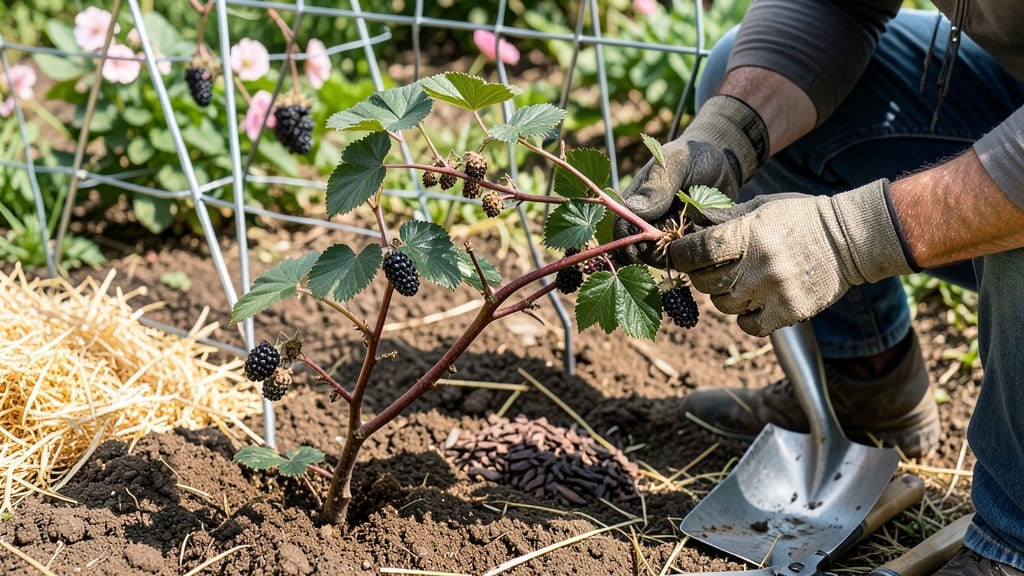
Planting blackberries in Texas at the wrong time can mean the difference between a bountiful harvest and struggling bushes that barely survive. Whether you're in North Texas where frosts linger into March or South Texas where heat arrives early, timing is everything for these 🫐 powerhouses.
Most Texas gardeners assume spring is the only planting window, but fall actually offers cooler soil and fewer pests—giving young plants a fighting chance. The key is understanding your local frost dates, which can vary by hundreds of miles across the state.
In this guide, I’ll break down the best months for your specific region, from North Texas’s cooler zones to South Texas’s extended growing season. You’ll also discover how to prepare your soil, choose the right varieties, and avoid common pitfalls that trip up even experienced growers.
Ready to grow blackberries that thrive year after year? Let’s get those canes in the ground at the perfect moment for your Texas climate.
Best planting months for blackberries in Texas by hardiness zone
Texas gardeners know timing is everything—plant blackberries too early, and they’ll struggle with heat; too late, and winter frost can wipe them out. The best planting months depend on your USDA hardiness zone, with North Texas (7a-8b) having stricter deadlines than South Texas (9a-10a).
Understanding these windows ensures your blackberry bushes establish strong roots before extreme heat or cold arrives.
Blackberries thrive when planted during dormancy periods, which means either late winter/early spring or fall. In Texas, this translates to February-March for spring planting and September-October for fall.
However, South Texas gardeners can extend their fall window into November due to milder winters. Let’s break down the ideal timing for each region.
| Region & Zone | Best Planting Months | Key Considerations | Avoid Planting |
|---|---|---|---|
| North Texas (7a-8b) | Late February - Early March (Spring) or Late September - Early October (Fall) | Soil temps above 50°F; protect from late frosts (Dec-Jan) | April-July (extreme heat stress) |
| Central Texas (8a-9a) | Mid-February - March (Spring) or August - September (Fall) | Avoid summer heat (plant before 90°F+ soil temps) | May-June (peak drought risk) |
| South Texas (9a-10a) | January - February (Spring) or September - November (Fall) | Extended fall window; minimal frost risk | July-August (intense humidity) |
For North Texas gardeners (Zones 7a-8b), the fall planting window (September-October) is critical because winter frosts can arrive by December. Planting too late leaves young canes vulnerable to freeze damage, while spring planting should wrap up by early March to avoid summer heat stress.
I recommend thornless varieties like 'Arapaho' for easier harvests in these colder zones.
In Central Texas (Zones 8a-9a), the window is slightly wider due to milder winters, but summer heat remains a challenge. Plant in August-September for fall establishment or February-March for spring growth.
Avoid planting in May-June when temperatures regularly exceed 95°F, causing transplant shock. Varieties like 'Navajo' handle Central Texas heat better than others.
South Texas gardeners enjoy the most flexibility with Zones 9a-10a, where fall planting can extend into November. The key is avoiding July-August when afternoon humidity spikes and fungal diseases thrive.
I’ve had success planting 'Choctaw' blackberries in January for early spring harvests, as the cooler winter months provide ideal conditions for root establishment.
Regardless of your zone, always choose bare-root canes from reputable nurseries and soak them in water for 2-4 hours before planting. This reduces transplant shock and gives your blackberries a head start.
For container growing, adjust planting times by 2-4 weeks earlier to account for heat buildup in pots.
Pro tip: Mulch heavily after planting with 3-4 inches of wood chips to retain moisture and regulate soil temperature. In North Texas, add a lightweight frost blanket in late fall for extra protection. This simple step can mean the difference between a thriving bush and a lost investment.
Blackberries in Texas reward patience—plant at the right time, and you’ll enjoy juicy berries from late spring through summer. Whether you’re in Dallas, Austin, or the Rio Grande Valley, tailoring your planting schedule to your microclimate ensures a bountiful harvest year after year.
How to prepare your Texas soil and site for blackberry planting success
Texas soil presents unique challenges for blackberry growers—caliche layers, alkaline pH, and intense heat can all hinder plant health. But with the right prep, you can create an ideal environment for your blackberry bushes to thrive.
Start by testing your soil’s pH level—blackberries prefer 5.5 to 6.5, while Texas native soil often runs higher.
Most Texas gardens struggle with poor drainage, especially in clay-heavy areas. Blackberries hate soggy roots, so amend your soil with compost or organic matter to improve structure. Raised beds are a game-changer for caliche-prone areas, giving roots room to spread without hitting hardpan.
⚠️ Texas-Specific Warning: Avoid Planting in Summer Heat
Blackberry canes planted during Texas summers (June-August) suffer from heat stress and poor root establishment. Even fall-planted canes need 6-8 weeks to root before winter. Best window: Plant in September-October for North/Central Texas or November in South Texas to avoid early freezes.
Choose a sunny location with at least 6-8 hours of direct sunlight—blackberries need this for fruit production. In West Texas, morning sun with afternoon shade can prevent leaf scorch during peak summer. If planting in containers, use large pots (15+ gallons) with drainage holes to prevent root rot.
Mulch heavily around your blackberries with wood chips or straw to retain moisture and regulate soil temperature. In North Texas, add a 4-6 inch mulch layer in late fall to protect roots from freeze-thaw cycles. For South Texas, mulch helps combat evaporative heat loss during dry spells.
Consider installing a trellis or wire support system immediately—blackberries are vigorous climbers and need structure to prevent sprawl and improve airflow. Use T-posts or sturdy fencing and train canes to grow upward for easier harvesting and pest control.
Finally, plan for winter protection in colder zones. Wrap young plants with burlap or frost cloth during hard freezes (below 20°F), and avoid pruning until late winter when new growth signals dormancy is over.
With these prep steps, your Texas blackberries will survive the heat, drought, and occasional frost like a pro!