
Plants
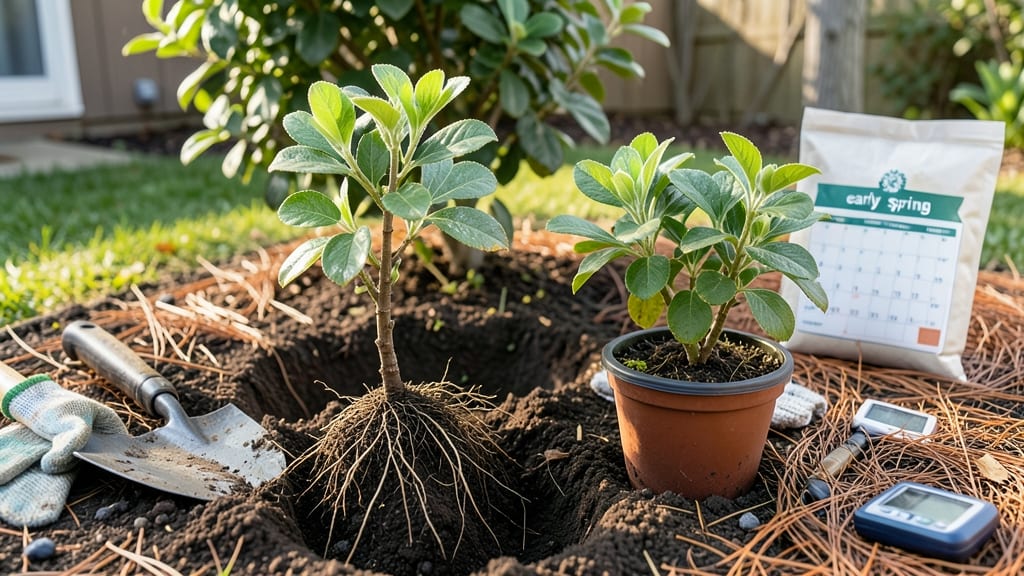
Planting blueberries in Washington State isn’t just about timing—it’s about survival. Whether you’re in Spokane’s chilly Zone 6b or Yakima’s warmer 8b, the wrong window means frost damage or stunted growth.
The secret? Aligning your planting with local frost dates and soil conditions to give those 🫐 saplings the best shot at thriving.
Most gardeners swear by late winter to early spring (February–April) for bare-root plants, but fall planting (September–October) works too—if you play it smart. The key is avoiding cold, wet soil, which can rot roots before they even take hold.
I’ll break down exactly when to dig in your region, including how to stretch the planting season safely.
Why does this matter? Because blueberries hate surprises—especially frost. A well-timed transplant means faster root establishment, bigger yields, and fewer headaches come harvest season. Let’s get into the specifics so you can plant with confidence, whether you’re a first-timer or a seasoned grower.
From Puget Sound’s mild coastal zones to the inland heat of the Columbia Basin, I’ll cover the exact planting windows for your area—plus pro tips to beat frost and soil challenges. Ready to grow blueberries that actually produce? Let’s make it happen.
Washington State blueberry planting zones: when to plant by heat Zone
Washington State’s varied climate—from the mild coastal regions of Puget Sound to the hotter inland valleys—creates distinct planting windows for blueberries. The key factors are USDA hardiness zones, last-frost dates, and chilling hours needed for dormancy.
Western WA (Zones 6-8) offers earlier planting than Eastern WA (Zones 4-7), where colder winters demand extra caution. Let’s break down the perfect timing for your specific heat zone.
Blueberries thrive when planted during their dormant season, typically late winter to early spring (February–April) or fall (September–October). However, Washington’s microclimates shift these windows dramatically. For example, Seattle’s Zone 7a (last frost: March 15) allows March planting, while Spokane’s Zone 6b (last frost: April 15) waits until April.
Understanding these nuances ensures your blueberries establish roots before summer heat arrives.
Here’s how to align your planting with Washington’s regional heat zones, including Puget Sound, Cascade foothills, and the Columbia Basin:
For Puget Sound gardeners (Zones 7a–8a), aim to plant between March 1 and April 15. The mild winters mean fewer frost risks, but late-spring frosts can still damage tender new growth. Use row covers if planting early in sheltered microclimates like Bellingham’s Samish Flats.
In contrast, Eastern WA’s colder zones (6b–7a) like Spokane require waiting until April 15 to avoid frost damage to roots.
Fall planting (September–October) is also viable in Zones 7b and warmer, but only if you can water deeply to compensate for summer drought. In Zone 6b, fall planting risks winter desiccation, so spring is safer.
Pro tip: Test soil temperature—it should be above 40°F (4°C) for 10+ hours daily before planting. Use a soil thermometer to monitor.
Regional chilling hour requirements further refine timing. For example, Duke blueberries (a popular
Frost-proof planting strategies for Washington blueberries: how to avoid common mistakes
Washington’s unpredictable spring frosts can turn your blueberry planting into a gamble. In Zone 6b areas like Spokane, late frosts linger until April 15, while coastal Zone 7a (Seattle) sees them by March 15. The key? Timing and microclimate mastery to protect your $20-$50 saplings from frost damage.
Many gardeners make two critical mistakes: planting too early in cold, wet soil (which stunts roots) or waiting too late when summer heat arrives. Both scenarios stress young plants. Instead, focus on soil warmth, sheltered locations, and post-planting frost shields to extend your safe window.
⚠️ Danger Zone: Planting in Cold-Wet Soil
Test your soil before planting—if it’s below 45°F (7°C), roots won’t establish. Use a soil thermometer or the "knee test": press your knee into the soil; if it’s uncomfortable, it’s too cold. Wait 2-4 weeks or use black plastic mulch to warm the ground.
Start by selecting a south-facing slope or windbreak location to trap heat. In elevated areas (like Yakima’s Zone 8b), plant near stone walls or evergreen windbreaks to reduce frost pockets. For coastal gardens, choose sheltered microclimates away from cold air drainage.
Pre-warm your planting site 2-3 weeks before transplanting by covering the area with black landscape fabric. This raises soil temps by 5-10°F, accelerating root growth. Pair this with acidic compost (pH 4.5-5.5) to give your blueberries the nutrient boost they need to bounce back from stress.
After planting, protect young shrubs with frost cloth or row covers on nights when temps drop below 32°F (0°C). For bare-root plants, mound soil around the base to create an insulating barrier.
In high-risk areas, use a mini greenhouse or cloche for the first 2-3 weeks.
Monitor your local frost forecast via the NOAA or WA State Ag Weather Network. If a late frost is predicted, water deeply the night before—moist soil holds heat better than dry soil. Avoid overhead watering before frost, as wet foliage can freeze and damage new growth.