
Plants
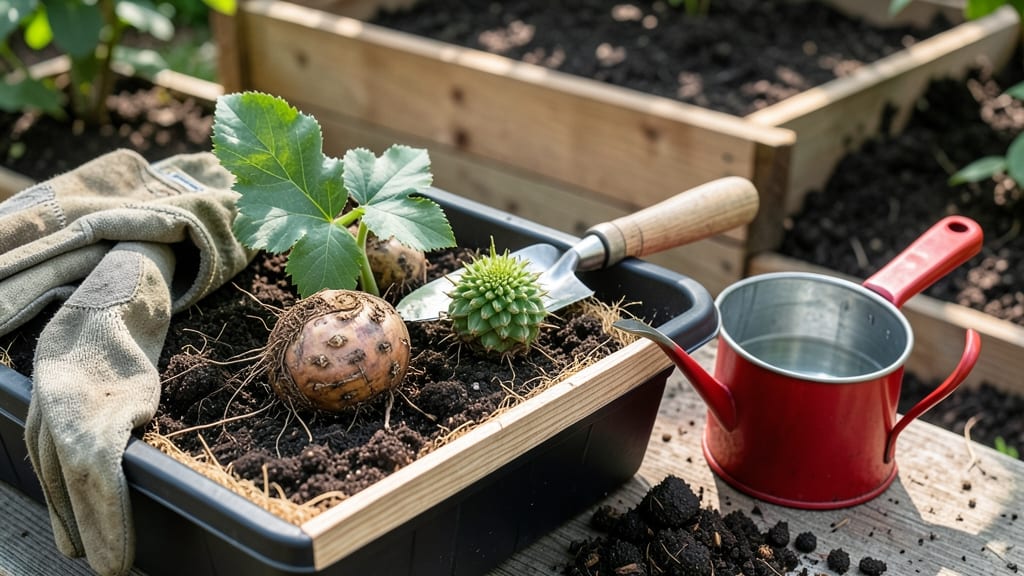
Planting dahlias in Washington State at the wrong time could mean missing out on their bold, vibrant blooms from July through October—just when your garden deserves the most color.
The key to success lies in waiting for the soil to warm and the last frost to pass, but with Washington's varied microclimates (from Zone 7b in the mountains to Zone 9a in the valleys), timing varies dramatically.
Whether you're in the rainy Puget Sound or the drier Columbia Basin, getting your dahlias 🌼 in the ground between April 15 and May 31 ensures they have enough time to establish roots before summer heat arrives.
But here's the catch: planting too early in cooler zones risks stunted growth, while waiting too long in warmer areas could shorten the bloom season.
I'll break down exactly when to plant based on your specific zone, plus pro tips for pre-sprouting tubers indoors if you want a head start.
You'll also learn how to tell when your soil is truly ready—because even the most eager gardener can't rush nature (no matter how much we'd like to!).
By the end, you'll have a foolproof schedule tailored to Washington's climate, so you can enjoy stunning dahlias from midsummer straight through fall—no guesswork required.
Washington State dahlias planting calendar by USDA Zone and frost-free dates
Washington State spans USDA Zones 6-9, creating dramatic differences in planting windows for dahlias. In Zone 6 (eastern WA), late spring frosts linger until May 15, while Zone 9 (Columbia Basin) gardeners can plant as early as March 20.
Understanding these regional variations ensures your dahlias bloom earlier and longer—critical for Washington’s short growing season.
Dahlias need soil temperatures above 60°F to thrive, which typically aligns with your last frost date. However, Puget Sound’s coastal fog can delay warming by 2-3 weeks compared to inland areas. Use this calendar as your guide, but always verify with your local Cooperative Extension Service for microclimate adjustments.
🌱 PRO TIP: Pre-sprout tubers indoors 4-6 weeks before your target planting date to jumpstart growth, especially in Zone 6 where summers are shorter.
| USDA Zone | Avg Last Frost | Ideal Planting Window | Soil Temp Goal | Regional Notes |
|---|---|---|---|---|
| 6 (Eastern WA) | May 15 | May 20 - June 10 | 60°F+ | Use black plastic mulch to warm soil faster |
| 7 (Western WA) | April 15 | April 25 - May 15 | 60°F+ | Coastal fog may delay planting by 1-2 weeks |
| 8 (Puget Sound) | April 1 | April 10 - May 1 | 55°F+ | Plant near south-facing walls for warmth |
| 9 (Columbia Basin) | March 20 | March 25 - April 15 | 50°F+ | Early planting risks frost damage; use row covers |
In Zone 6 (eastern WA), where summers are shorter, prioritize early-maturing varieties like 'Café au Lait' or 'Thomas Edison'. These bloom in 70-80 days, giving you vibrant flowers before the first frost in October.
For Zone 9 (Columbia Basin), you can extend the season by planting a second batch in late June for fall color.
Soil preparation is just as critical as timing. Dahlias hate soggy roots, so amend heavy clay soils with compost and perlite to improve drainage. In Western Washington’s rainy climate, raised beds with gravel at the bottom prevent waterlogging.
Test your soil’s pH (6.0-7.0) and add lime if needed—acidic soil stunts dahlia growth.
If you’re in Zone 7 or 8, consider staggered planting: start with early varieties in April and follow with taller types in May. This creates a continuous bloom display from July through October.
For Puget Sound gardeners, watch for cherry blossom timing—when local trees bloom, it’s a natural cue that soil is warming.
Never plant dahlias before the soil reaches 60°F, even if frost risk has passed. Cold soil causes rot and poor root development. Use a soil thermometer to check—plant only when temps stay above 60°F for 5+ days.
In Zone 9, early planting risks late spring frosts, so wait until April 15 as a safe bet.
For container growing in cooler zones, use black pots that absorb heat. Place containers near south-facing walls or under cloche covers until soil warms. In eastern WA’s arid climate, mulch with straw to retain moisture—dahlias need 1-1.5 gallons of water
Signs your Washington garden is ready for dahlias (beyond the calendar)
Relying solely on frost dates can leave your dahlias vulnerable to chilly soil or late frosts. Instead, watch for local natural cues that signal the perfect time to plant.
In Washington’s varied climate, these signs often appear 2-3 weeks before your typical last frost date—especially in cooler microclimates like the Cascade foothills or San Juan Islands.
One of my favorite natural indicators is when cherry blossoms fall in your area. In Western Washington, this usually happens around late April to early May, aligning perfectly with soil warming to 60°F (15°C)—ideal for dahlia tubers.
Use this as a free, foolproof marker instead of guessing from a calendar.
🌱 5 Signs Your Washington Garden Is Ready for Dahlias
- 🌡️ Soil temperature reaches 60°F (15°C) at 6-inch depth. Use a soil thermometer—dahlias won’t thrive in colder soil.
- 🌸 Daffodils have finished blooming and foliage yellows—a reliable late-spring signal across WA.
- 🌧️ No hard frosts in the last 7-10 days. Check your local NOAA frost map for real-time updates.
- 🌿 Native plants like yarrow or columbine are actively growing—signaling stable warmth retention.
- ☀️ Daytime highs consistently reach 70°F (21°C) for 3+ consecutive days, boosting tuber growth.
💡 Pro Tip: In Zone 7b (e.g., Spokane), wait until May 15—earlier plantings risk cold soil shock.
For gardeners in eastern Washington’s arid zones (like the Columbia Basin), soil warms faster, but wind and dry spells can stress young tubers. Here, I recommend black plastic mulch 2 weeks before planting to raise soil temps by 5-10°F—a game-changer for early May plantings.
If you’re in cooler coastal areas (e.g., Olympia or Bellingham), extend your season with floating row covers or mini greenhouses over newly planted tubers. These create a microclimate that traps heat, letting you plant 2 weeks earlier without risking frost damage.
Remember: Dahlias need 60+ frost-free days to bloom. In Zone 8 (e.g., Yakima), you can push plantings to early April with protection, but in Zone 7 (e.g., Wenatchee), wait until mid-May for foolproof results. Test your soil—if it’s still below 55°F (13°C), hold off!
Once you’ve confirmed these signs, plant your tubers 4-6 inches deep and water deeply to encourage root establishment. With Washington’s long, dry summers, mulch heavily to retain moisture and prevent flopping stems—a common issue in humid Western WA.