
Plants
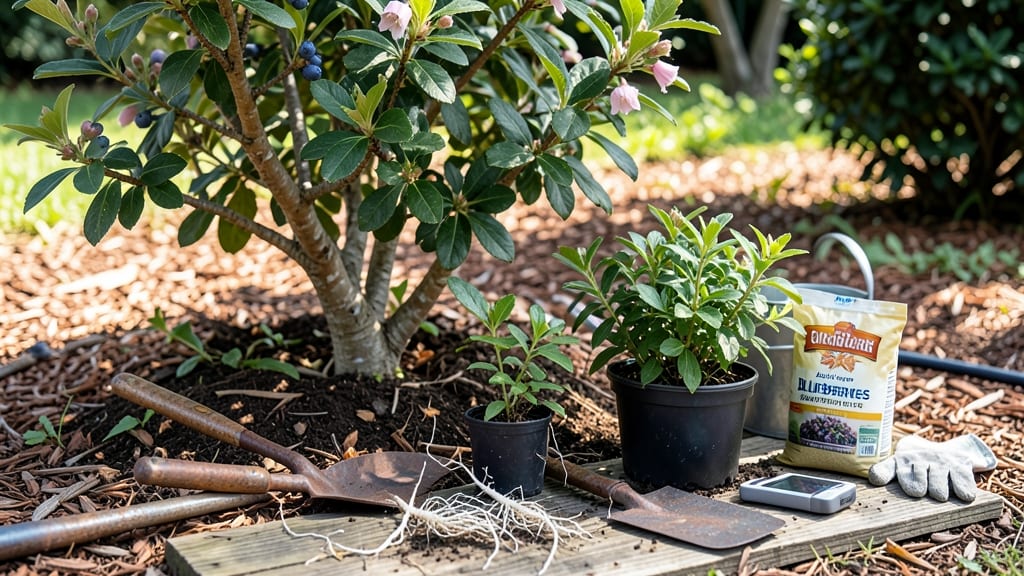
Planting blueberries in Zone 8b at the wrong time could mean the difference between a thriving 🫐 bush and one that never bears fruit.
The key isn't just picking a season—it's understanding how your local climate affects soil temperature and moisture, especially when late frosts or scorching summers can stress young plants.
If you're wondering whether to plant in late winter or fall, the answer depends on your specific microclimate. In Zone 8b, where average last frosts hit around mid-February, early spring offers a head start, but fall planting gives roots time to establish before summer heat arrives.
I’ll break down which window works best for your region—whether you're in Southern California or Tennessee—and how to prepare your soil for success.
Most gardeners assume blueberries are low-maintenance, but in Zone 8b, they actually need extra care to thrive. From adjusting soil pH to choosing the right mulch, small details make a big difference in survival rates.
Let me show you exactly how to set up your planting site for maximum growth and minimal stress on your new bushes.
Ready to grow your own blueberries? You’ll learn how to time your planting perfectly, avoid common mistakes, and keep your bushes healthy year-round. Let’s get started!
Optimal planting windows in Zone 8b: spring vs fall timing explained
When planting blueberries in Zone 8b, timing is everything—especially since this zone experiences hot summers and mild winters. The wrong window can leave your plants stressed, stunted, or even dead.
Unlike cooler zones, Zone 8b’s soil temperature and rainfall patterns demand precise timing to avoid summer heat stress or winter dormancy issues.
Blueberries thrive when planted during their dormant periods, which aligns with fall or early spring in Zone 8b. Fall planting gives roots time to establish before winter, while spring planting risks summer heat stress if done too late.
Let’s break down the best months, soil conditions, and regional nuances to maximize your success.
Soil temperature is the #1 factor for Zone 8b blueberries. Roots need 45–55°F soil temps to establish without stress. In spring, this happens in February–March, while fall offers October–November windows. Planting outside these ranges risks shock or poor growth.
Zone 8b spans diverse climates—from Southern California’s dry heat to Tennessee’s humid summers. Coastal areas like San Diego have milder winters, while inland regions face harsher heat.
Always check your last frost date (typically February 15) and first frost date (November 15) to align planting with your local microclimate.
Fall planting (October–November) is my top recommendation for Zone 8b. Cooler soil temps and consistent rainfall help roots establish before winter dormancy. In Southern California, aim for October to avoid late-season heat, while Tennessee gardeners can plant until mid-November before frost risks.
Spring planting (February–March) works but requires patience. Plant too late (after April), and your blueberries will face summer heat stress, stunted growth, or even death. Always test soil temperature with a thermometer—roots need 45–55°F to thrive. If temps rise above 65°F, delay planting until fall.
Zone 8b’s microclimates matter. Coastal areas like San Diego have milder winters, so you can plant blueberries until December. Inland regions (e.g., Nashville) should finish by November 1 to avoid frost. Check your local USDA Plant Hardiness Zone map for precise guidance.
Pro tip: If you miss the fall window, container planting extends your options. Pots let you move blueberries to shade during summer heat or protect them from frost. Just ensure containers have drainage holes and use acidic potting mix (pH 4.5–5.5).
Align planting with natural growth cycles. Blueberries need 6–8 weeks of cool weather to set buds for next year’s fruit. Planting in fall gives them this head start, while spring planting skips this critical period. For maximum survival rates, prioritize fall planting in Zone 8b.
Remember: Soil pH is non-negotiable. Blueberries demand acidic soil (pH 4.5–5.5). Test your soil before planting—amend with sulfur or peat moss if needed. A pH meter or home test kit makes this easy. Without the right pH, your plants will struggle, no matter how perfect the timing.
🌱
How to prepare your Zone 8b garden for blueberry planting success
Zone 8b’s hot summers and mild winters create unique challenges for blueberry planting. The key to success lies in preparing your garden 6-8 weeks before planting—whether in fall or spring. This means adjusting soil acidity, improving drainage, and protecting young roots from extreme heat.
I’ve learned that skipping these steps often leads to stunted growth or even plant death in our climate.
First, choose a sunny location with 6+ hours of sunlight daily, but avoid areas where afternoon heat becomes scorching. Blueberries thrive in partial shade during peak summer hours, so consider planting near taller trees or structures that provide afternoon relief.
In my own garden, I’ve seen blueberries planted in full afternoon sun struggle during July and August heatwaves.
📋 Step-by-Step Prep for Zone 8b Blueberries
-
🔍 Test and Adjust Soil pH
Use a soil pH meter or send a sample to your local extension office. Blueberries need acidic soil (pH 4.5-5.5). If your soil is too alkaline, amend it with sulfur or peat moss (apply 2-3 months before planting).
-
🪴 Improve Soil Drainage
Mix compost and sand (50/50 ratio) into the planting hole to prevent waterlogging. Zone 8b’s heavy summer rains can drown roots if drainage is poor. I’ve seen blueberries die in clay-heavy soil within weeks.
-
☀️ Mulch for Moisture Retention
Apply a 3-inch layer of pine bark mulch around the base (keep it 2 inches away from the stem). This retains moisture during Zone 8b’s dry spells and slowly releases acidity as it breaks down. Avoid wood chips—they can raise pH over time.
-
💧 Plan Your Watering Schedule
Blueberries need deep watering (1-1.5 gallons per plant) 2-3 times per week during the first growing season. In Zone 8b, water early morning to reduce evaporation. Use drip irrigation to keep foliage dry and prevent fungal diseases.
-
🌡️ Protect from Summer Heat
If planting in late spring, use shade cloth (30-50%) during the first 4-6 weeks to acclimate young plants. I’ve used lightweight fabric stakes to create temporary shade without blocking all sunlight.
Don’t overlook the importance of spacing—plant blueberries 4-6 feet apart for standard varieties or 2-3 feet apart for dwarf types. This ensures proper air circulation, reducing the risk of fungal diseases like powdery mildew, which thrives in Zone 8b’s humid summers.
I once crowded my bushes too closely, and within a year, I lost 30% of my plants to fungal infections.
Finally, consider installing a drip irrigation system or soaker hoses to automate watering. Zone 8b’s unpredictable rainfall can leave your blueberries either drought-stressed or waterlogged. I invested in a simple timer-based system last year, and my blueberries entered their second year with healthier roots and fewer pests.
With these steps, your Zone 8b blueberries will establish strong roots before facing summer’s challenges. The first year is critical—patience and preparation now will pay off with bountiful harvests in years to come. 🌱