Plants
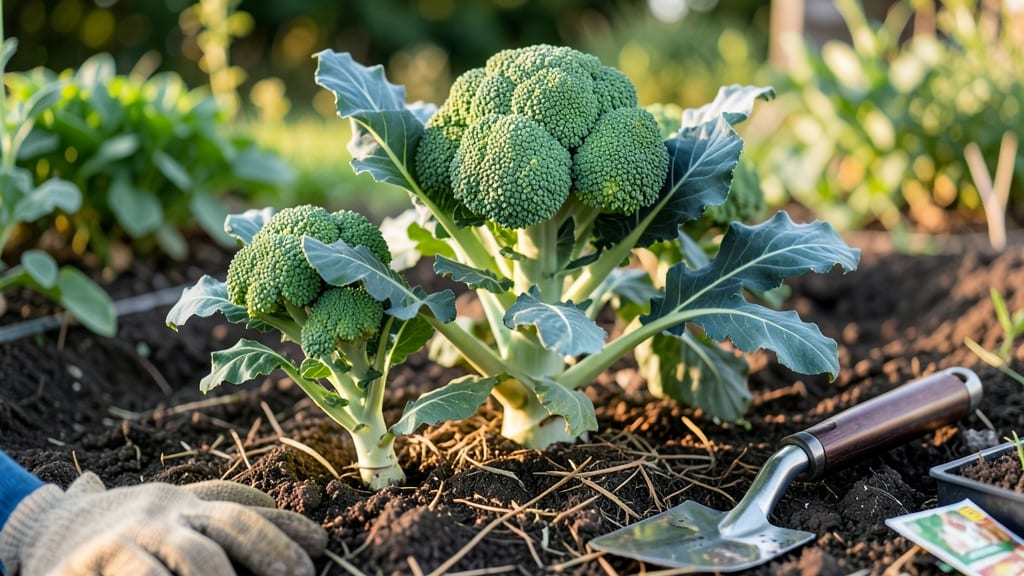
Planting broccoli 🥦 in Massachusetts isn’t just about tossing seeds in the dirt—it’s about outsmarting the unpredictable New England climate to avoid bitter disappointment (or worse, bolting before harvest). The key?
Timing your plantings around frost dates like a pro, because one wrong move means watching your hard work turn into sad, yellowing stalks instead of crisp, flavorful heads.
Here’s the secret: Massachusetts gardeners swear by two planting windows—early spring (March–April) and late summer (August–early September)—but getting those dates right means checking your local frost averages.
Too early, and frost will nip seedlings in the bud; too late, and your broccoli might bolt before you even get a chance to harvest. I’ll show you exactly how to nail those windows so you can enjoy zero-bolt broccoli from May through October.
Why does this matter? Because nothing beats the satisfaction of pulling fresh, homegrown 🥦 straight from your garden—especially when you’ve dodged the common pitfalls that leave so many gardeners frustrated.
Whether you’re a first-time planter or a seasoned green thumb, these frost-date hacks will help you maximize your yield and avoid the heartbreak of wasted effort.
Ready to turn your Massachusetts garden into a broccoli powerhouse? Let’s break down the perfect planting schedule, the best varieties for your zone, and how to keep your plants happy from seed to harvest—no guesswork required.
Massachusetts broccoli planting calendar: frost dates by region
Massachusetts' diverse climate—from Boston's coastal breezes to Worcester's inland valleys and Cape Cod's maritime influence—means broccoli planting windows vary dramatically. Understanding your USDA hardiness zone (5b-7a) and average last/first frost dates is key to avoiding frost damage or bolting.
Let's break down the perfect planting schedule for each region to maximize your harvest.
For Boston (Zone 6b), the last spring frost typically arrives around April 15, while the first fall frost hits about October 15. This gives you a 165-day growing season—ideal for two broccoli crops: one in early spring and another in late summer.
Worcester (Zone 6a) follows a similar pattern but with slightly earlier frost dates, while Cape Cod (Zone 7a) enjoys a longer frost-free season due to its coastal moderation.
Here’s where the summary-table comes in—your one-stop guide to planting broccoli in Massachusetts by region, including exact frost dates and optimal planting windows for zero-bolt success.
For spring planting, aim to sow seeds or transplant seedlings 4-6 weeks before your last frost date. In Boston, this means starting in late March, while Worcester gardeners should begin in mid-March.
Cape Cod’s later frost date lets you wait until early April. Use row covers or a cold frame to extend the season if needed—just remove them once daytime temps hit 50°F consistently.
Fall planting is where succession planting shines. Start seeds indoors 8-10 weeks before your first frost (early August for Boston/Worcester, mid-August for Cape Cod) or direct-sow outdoors in late July.
Choose cool-season varieties like 'Waltham 29' or 'Calabrese'—they thrive in Massachusetts’ mild fall weather and can handle light frosts (28°F) without bolting.
Pro tip: If your soil temperature drops below 45°F, broccoli growth slows dramatically. Use a soil thermometer to monitor—warmer soil speeds up germination and transplant success. For extra insurance, mulch with straw or leaves to retain heat and moisture, especially in Worcester’s drier inland climate.
Don’t overlook microclimates—a south-facing slope or urban heat island can push your frost dates back by 1-2 weeks. Test your garden’s unique conditions by planting a frost-sensitive crop like basil alongside your broccoli. If the basil survives, you’ve got a few extra days to work with!
For continuous harvests, stagger plantings every 2-3 weeks in spring and every 3 weeks in fall. This ensures you’re always enjoying fresh broccoli while avoiding the "all-at-once" harvest trap. Pair your broccoli with fast-growing companions like radishes or lettuce—they’ll mature before your broccoli needs full space.
Remember: Massachusetts’ unpredictable weather means flexibility is key. Keep a planting journal to track your local frost dates and adjust next year. With these regional guidelines, you’ll be harvesting crisp, zero-bolt broccoli from late spring through fall—no matter where you garden in the Bay State.
How to avoid bolting: temperature and day-length tricks
Massachusetts' unpredictable spring weather can turn your broccoli plants into flowering stalks before harvest. Bolting happens when plants sense longer daylight hours or warm soil temperatures, triggering premature flowering. The key to preventing this is understanding how to manipulate these triggers.
First, focus on soil temperature thresholds. Broccoli bolts when soil temps exceed 75°F (24°C). In Massachusetts, this often happens in late May or June.
Use a soil thermometer to monitor conditions and adjust planting times accordingly. If temps rise too quickly, consider using black plastic mulch to keep roots cooler.
⚠️ callout-warning
Massachusetts' 14+ hour daylight in summer forces broccoli to bolt. Plant late varieties (like 'Waltham 29') or use shade cloth (30-50%) to block 2-4 hours of midday sun. Never let soil temps exceed 75°F—this is the #1 bolting trigger in MA gardens.
Day-length management is equally important. Massachusetts' increasing daylight hours after March 20th signal broccoli to bolt. For spring plantings, use shade cloth (30%) to reduce light exposure by 20-30%. For fall plantings, choose short-day varieties like 'Calabrese' that tolerate cooler temps and shorter days.
Another trick is succession planting with cool-season varieties. Plant 'De Cicco' or 'Green Gems' every 2-3 weeks from March to May. This staggered approach ensures some plants mature before daylight hours peak in June, while others stay in the optimal 12-14 hour daylight window for head formation.
For container gardening, use black pots to absorb heat and place containers in partial shade during hot afternoons. Elevate pots on brick or cinder blocks to improve airflow and prevent soil overheating. This works especially well for balcony gardens in urban MA areas like Boston.
Finally, water consistently—drought stress accelerates bolting. Aim for 1-1.5 inches of water weekly, delivered in morning sessions to reduce evaporation. Mulch with straw or wood chips to maintain even moisture and cool soil temps.
With these tricks, you'll avoid bolting and enjoy homegrown broccoli all season long. 🥦