
Plants
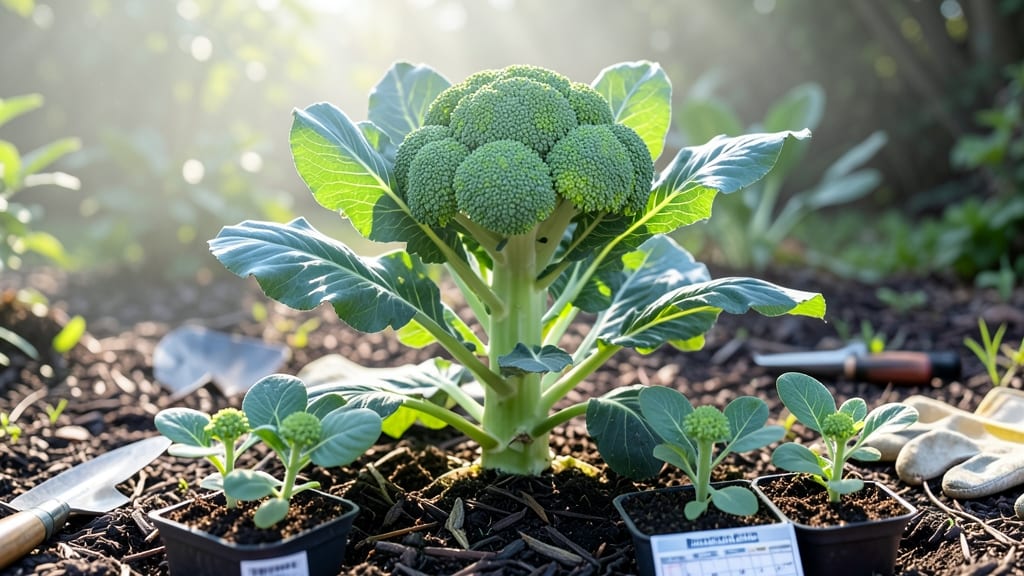
Planting 🥦 broccoli in South Carolina at the wrong time can turn your garden into a sad, bolted disappointment—especially when those 7b-8a zone frosts sneak up faster than you think.
I’ve watched spring crops race toward flower stalks before they even form heads, all because the timing was off by just a few weeks.
Here’s the truth: February-March is your sweet spot for early spring planting, but coastal areas near Charleston can push that window back by two weeks. Meanwhile, Upstate growers in Greenville might need to wait until late March to avoid frost damage.
The key? Knowing your microclimate’s last frost date—and adjusting for heat waves that can trick broccoli into bolting early.
I’ll break down the exact weeks to plant for spring and fall harvests, plus how to use shade cloth and soil thermometers to outsmart South Carolina’s unpredictable weather. No more guessing—just zero-bolt, high-yield broccoli that’s ready for your table by May or November.
Ready to turn your garden into a 🥦 powerhouse? Let’s get those seeds in the ground at the perfect moment—before the heat or frost ruins your plans.
South Carolina broccoli planting calendar by microclimate zone
South Carolina’s three distinct growing zones—Upstate, Midlands, and Coastal—create wildly different conditions for broccoli. The Upstate’s cooler USDA Zone 7b allows earlier plantings, while the Coastal Zone’s Zone 8a heat demands heat-tolerant varieties.
Missing the window by even a week can trigger bolting (flowering prematurely), turning your broccoli into bitter seed stalks. Here’s your zone-specific roadmap to avoid that fate.
Broccoli thrives in cool weather (below 75°F) but wilts in summer’s 90°F+ heat. The key is planting when soil temps are 40-70°F. Coastal areas have longer frost-free seasons (210+ days), while Upstate zones see 180-200 frost-free days.
We’ll break down spring and fall windows for each zone, plus heat-tolerant varieties that won’t bolt in the Midlands’ summer swelter.
For Upstate gardeners, the spring window opens in mid-February, but don’t rush—soil temps below 50°F slow germination. Start seeds indoors 6-8 weeks before your last frost (March 15) or buy transplants in early March.
The fall window is tight: August is your only shot, with harvests wrapping up by November’s first frost. Use black plastic mulch to warm soil for earlier starts.
The Midlands’ longer growing season lets you stretch plantings from January to August, but heat tolerance is critical. 'Waltham 29' handles 85°F better than most, but pair it with drip irrigation to prevent wilting.
Coastal gardeners enjoy the earliest starts (December!) but must time fall crops for June-July—any later, and summer’s humidity triggers disease. Try container growing to move plants to shade during heatwaves.
Pro tip: Use a soil thermometer to confirm temps. Broccoli seeds won’t sprout below 40°F, and transplants struggle above 80°F. In the Upstate, late-March frosts are common—keep row covers handy.
For Coastal areas, hurricane season (June-Nov) risks flooding; elevate beds or use raised containers with drainage. Always plant companion crops like bush beans or radishes to improve soil and deter pests.
Succession planting is your secret weapon. In the Midlands, make weekly sowings from January to August to ensure a continuous harvest. Upstate gardeners should space plantings 2 weeks apart in spring and 3 weeks apart in fall.
Coastal growers can extend harvests by staggering varieties: plant 'Calabrese' in June for fall crops, then 'De Cicco' in July for a second wave. Just remember—never let broccoli heads sit on the plant more than 5-7 days after maturity, or they’ll turn bitter.
Watch for bolting triggers: sudden heat spikes, drought stress, or overcrowding. If your plants send up flower stalks, harvest the side shoots (they’re edible!) and compost the rest. In Coastal zones, humidity promotes downy mildew—spray with neem oil prevent
How to adjust planting dates for South Carolina’s unpredictable weather
South Carolina’s weather can shift from unexpected late frosts to sudden heat waves in a single week, making broccoli planting a delicate balancing act. The key to success? Flexible timing and proactive adjustments.
Unlike northern states, SC’s USDA zones 7b-8a demand a nuanced approach—one that accounts for coastal humidity, Piedmont heat, and inland temperature swings.
Even experienced gardeners in Charleston or Greenville have lost crops to premature bolting when planting too early or too late. The solution? Soil temperature tests, shade cloth timing, and succession planting to stretch your harvest window. Let’s break down how to stay ahead of SC’s whimsical weather.
⚠️ BROCCOLI BOLTING TRIGGERS IN SC:
- Soil temps >70°F for 3+ days → Heat-induced bolting (common in May/June)
- Daytime temps >85°F → Stress bolting (Piedmont zones hit hardest)
- Late frost (<28°F) after sprouting → Frost damage (coastal areas at risk until April)
- Drought stress → Premature flowering (humidity spikes in July-August can mask this)
Action: Use shade cloth (30-50%) when temps hit 80°F and mulch with straw to stabilize soil temps. Monitor with a soil thermometer—broccoli roots prefer 55-65°F.
Start by testing your soil temperature before planting. Use a soil thermometer to confirm readings between 55-65°F—the sweet spot for germination. In Upstate SC, this often means waiting until late March for spring plantings, while coastal areas can start as early as February 15th.
For fall crops, aim to plant 80-90 days before your first frost (typically late July-August).
Extend your growing season with succession planting. Instead of one massive planting, sow small batches every 2 weeks from March through May. This ensures a continuous harvest and reduces the risk of losing your entire crop to a single heatwave.
Pair this with heat-tolerant varieties like 'De Cicco' or 'Waltham 29'—these handle SC’s summer heat better than standard types.
Don’t overlook the power of shade cloth. When daytime temps creep above 85°F, drape 30-50% shade cloth over seedlings to lower soil temps by 5-10°F. Remove it in the afternoon to allow light penetration.
This simple trick can delay bolting by 2-3 weeks during peak summer. Pair it with drip irrigation to keep roots cool and moist.
Create a risk-assessment checklist before planting: ☑ Check 7-day forecast for frost warnings (use Almanac.com) ☑ Test soil temp at planting depth (6 inches) ☑ Calculate frost-free days for your variety (60-80 days to maturity) ☑ Plan shade cloth for heatwaves (>85°F) ☑ Schedule succession plantings every 2 weeks
With these adjustments, you’ll turn SC’s unpredictable weather into an advantage. Your broccoli will grow bold and beautiful, not bolted and bitter—ready for harvest when you are. Happy gardening! 🌱