
Plants
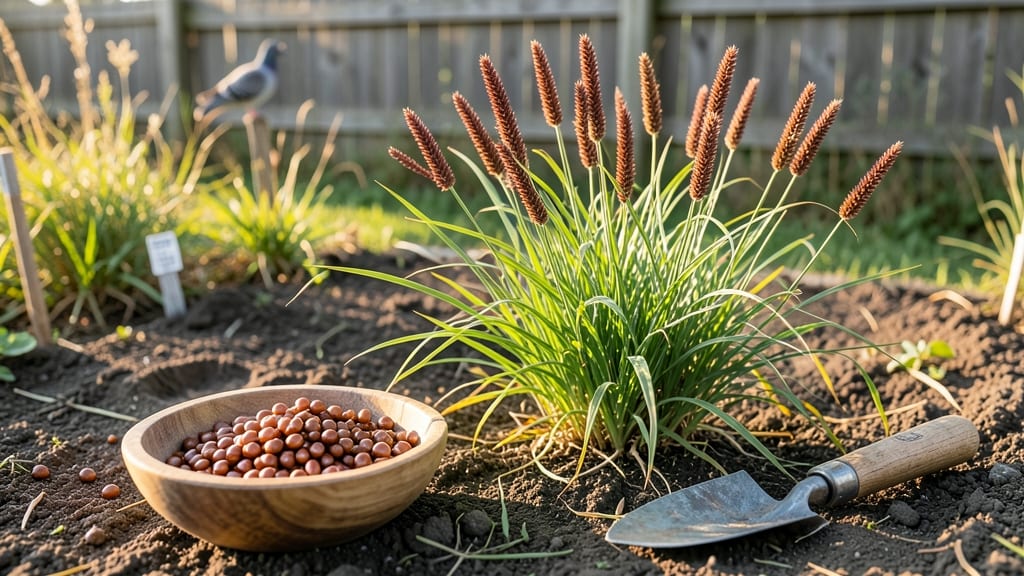
Planting brown top millet 🌾 at the wrong time in Mississippi (MS) could mean missed dove foraging opportunities and wasted effort. The key to success lies in timing—get it right, and you’ll have lush, fast-growing millet that doves will flock to by late summer.
With Mississippi’s 7b-8b climate zones, you’ve got a short window between the last frost (around March 15) and the first frost (about November 15) to grow this summer staple.
The best months to plant brown top millet for doves are April through June, ensuring it matures just as dove season peaks.
Why does timing matter so much? Because brown top millet grows quickly—60 to 90 days to maturity—and you want it ready for doves when they’re actively foraging. Plant too early, and frost could damage seedlings; too late, and your millet might not reach peak seed production before harvest.
In this guide, I’ll break down the fastest, most reliable planting schedule for Mississippi’s conditions, plus soil prep tips and care tricks to guarantee a bumper crop. Let’s get started!
Best planting months for brown top millet in Mississippi’s climate zones
Mississippi’s USDA Zones 7b-8b create ideal conditions for brown top millet, but the North vs. South divide affects planting timing. Northern MS (like Tupelo) has later frost dates, while Southern MS (like Biloxi) enjoys earlier warm spells.
This difference means your optimal planting window could shift by 2-4 weeks depending on location.
For maximum dove foraging, aim to plant when soil temperatures consistently reach 60°F (15°C). In Northern MS, this typically occurs in mid-April to early May, while Southern MS gardeners can start as early as late March.
Planting too early risks frost damage, while late planting may leave your millet maturing just as doves migrate south.
Brown top millet thrives in full sun (6+ hours daily) and well-draining soil. Mississippi’s clay-heavy soils often need amendments like compost or sand to improve drainage. Without proper prep, seedlings may struggle, especially in heavy rainfall periods common in May and June.
Here’s a quick reference for Mississippi’s planting zones, including frost risks and ideal timing:
| Zone | Last Frost Date | Ideal Planting Month | Soil Temp Requirement | Frost Risk |
|---|---|---|---|---|
| Northern MS (e.g., Tupelo, Oxford) | Mid-April | Late April - Early May | 60°F+ (15°C) | High (late frosts) |
| Central MS (e.g., Jackson, Starkville) | Early April | Early April - Mid-May | 60°F+ (15°C) | Moderate |
| Southern MS (e.g., Biloxi, Gulfport) | Late March | Late March - Early April | 60°F+ (15°C) | Low |
In Northern MS, where frosts linger until mid-April, wait until late April or early May to plant. This ensures seedlings aren’t nipped by unexpected cold snaps. Use row covers if planting earlier to protect young shoots.
Southern MS gardeners have more flexibility but should still avoid planting before late March to prevent soil-borne diseases from thriving in cool, wet conditions.
Brown top millet grows 60-90 days to maturity, so timing your planting ensures seeds are ready when doves arrive in late summer (August-September). For continuous foraging, consider succession planting—sow a second batch in early June for a late-season harvest.
This two-phase approach maximizes your millet’s appeal to doves during their migration.
Mississippi’s humid climate can stress millet if not planted correctly. Always test soil moisture before planting—stick your finger 2 inches deep. If it feels dry, water thoroughly before sowing.
Overwatering in clay soils leads to root rot, while underwatering causes stunted growth. Aim for consistently moist (not soggy) soil during germination.
For dove hunting success, prioritize large planting areas (100+ sq ft). Doves prefer dense, mature millet stands, so avoid sparse plantings. In drought-prone years, mulch with straw or pine needles to retain moisture.
This simple step can mean the difference between lush millet and stunted growth during Mississippi’s hot summer months.
Monitor local dove migration patterns to fine-tune your planting schedule. In Mississippi, doves typically arrive in late August and stay through October. Plant your first batch in April-May for a September harvest, aligning with peak dove activity.
Adjust based on weather forecasts—delay planting if unseasonably cool temperatures persist.
If you’re new to growing millet, start small with a 10x10 ft plot to test your local conditions. Mississippi’s variable rainfall means no two years are alike—track what works best for your specific microclimate.
With the right timing and care, your brown top millet will attract doves like a magnet and provide a reliable food source for
How to time your planting for peak dove foraging & millet maturity
Timing your brown top millet planting in Mississippi isn’t just about the calendar—it’s about syncing with dove migration patterns and the plant’s 60-90 day growth cycle. Doves arrive in MS as early as mid-August for their fall migration, so you’ll want mature millet ready by then.
Start too late, and you’ll miss the peak foraging window when doves are most active.
To maximize success, I calculate planting dates by working backward from the harvest window (late August to October) and factoring in your local USDA Zone 7b-8b climate.
For example, if you aim for a September harvest, plant in mid-June—this gives brown top millet enough time to mature before doves arrive in full force.
- 📅 Step 1: Determine Dove Arrival
Check local dove migration reports—most MS hunters start seeing doves by late August. Aim for millet maturity 2-3 weeks before peak arrival. - 🌡️ Step 2: Soil Temperature Check
Wait until soil reaches 60°F (15°C)—use a soil thermometer. In MS, this typically happens by mid-April in the south and late April in the north. - ⏳ Step 3: Calculate Backward from Harvest
Brown top millet takes 60-90 days to mature. For a September harvest, plant in mid-June. For October harvests, plant by early August. - 🌱 Step 4: Plant in Staggered Rows
Sow seeds in 2-3 week intervals to extend the foraging window. Example: Plant May 15, June 1, and June 15 for continuous harvests. - 🕊️ Step 5: Monitor Dove Activity
Adjust planting dates yearly based on dove sightings. If doves arrive early, shift planting to May for earlier maturity.
For North Mississippi (Zone 7b), where frost risk lingers longer, I recommend planting no earlier than late May. The cooler nights can slow germination, so use a light row cover if planting in early June to protect seedlings.
In South Mississippi (Zone 8b), you can start as early as mid-April—just ensure soil warmth is consistent.
Pro tip: Use Tifton 85 millet, a fast-maturing variety that often reaches maturity in 60 days. This gives you flexibility to plant later in the season if needed.
For example, a July 15 planting in Zone 8b will yield mature millet by September 15, perfect for early dove season.
Don’t forget to mow or cut millet when it reaches 3-4 feet tall—this encourages bushier growth and more seed production. A second cutting in late summer can provide a bonus harvest for late-arriving doves.
Timing these cuts right ensures your millet field stays lush and attractive throughout the foraging season.
By aligning your planting schedule with dove migration and millet’s growth cycle, you’ll create a reliable food source that keeps doves visiting your property all season long. Start with these steps, adjust based on local conditions, and you’ll have a dove magnet before you know it! 🕊️