
Plants
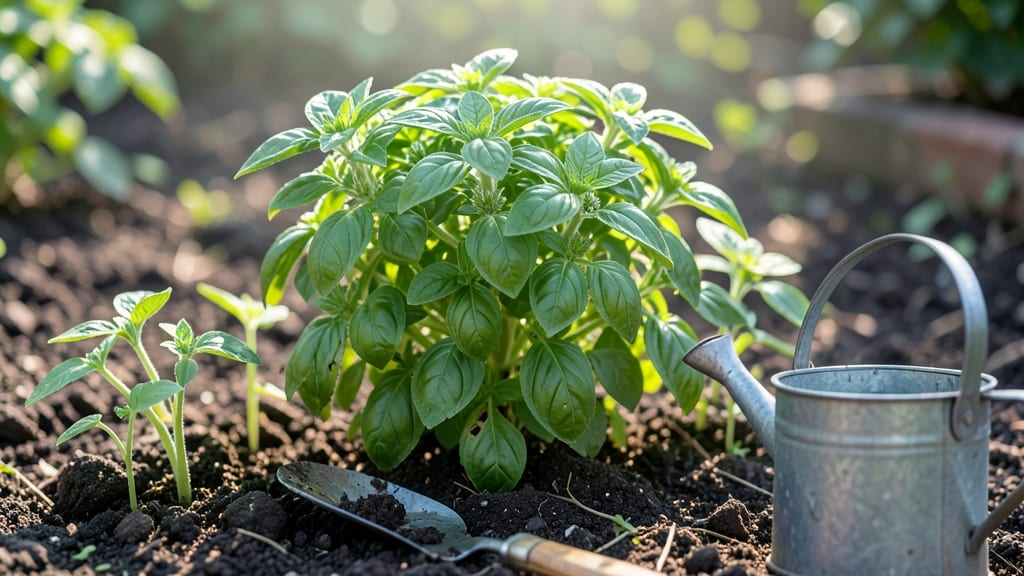
Planting basil in Ohio at the wrong time can mean the difference between a thriving 🌿 herb garden and a sad, frost-nipped disappointment. Since Ohio's last frost typically hits around mid-April, waiting until soil temperatures reach at least 50°F ensures your seedlings get off to a fast, healthy start.
If you're eager to grow your own, timing is everything—especially in USDA Zone 6a. Planting too early risks losing your crop to late frosts, while waiting too long might cut your harvest window short.
The key is to strike that balance between warmth and frost-free conditions for the best results.
Whether you're sowing seeds directly in the ground or transplanting young plants, knowing when to plant basil in Ohio means you'll enjoy fresh leaves from June through September.
I’ll share the exact dates and tips to maximize your garden’s potential, so you can avoid common mistakes and enjoy a bountiful harvest.
Ready to grow basil that’s fast, flavorful, and frost-free? Let’s get into the details so you can plant with confidence and enjoy your garden’s rewards all summer long.
Optimal planting dates for basil in Ohio’s USDA Zone 6b
Ohio’s USDA Zone 6b climate means basil thrives when planted after the last frost date, typically around mid-April. However, soil temperature plays a bigger role than calendar dates.
Basil seeds need soil temps of at least 50°F to germinate, while transplants prefer 55-60°F. Waiting too long risks late-spring heatwaves that stress young plants.
For direct sowing, aim for late April to early May when soil warms consistently. Transplants can go in 2-3 weeks earlier, once nighttime temps stay above 45°F.
In northern Ohio, wait until May 1 to avoid frost surprises—my Columbus garden lost seedlings when a late freeze hit in early April.
⚠️ CRITICAL: Ohio’s microclimates vary wildly. Valley areas like Athens may plant 1-2 weeks earlier than hilltops near Toledo. Check your local Cooperative Extension Service for precise frost data—it’s worth the 2-minute call!
| Method | Optimal Window | Soil Temp | Notes |
|---|---|---|---|
| Direct Sowing | Late April - Early May | 50°F+ | Germinates in 7-14 days |
| Transplants | Mid-April - Late April | 55-60°F | Hardier than seeds |
| Container Growing | May 15 - June 1 | 60°F+ | Extend season indoors |
| Fall Planting | Late August | 65°F+ | Risky—first frost Oct 15 |
Transplants give you a 2-week head start over seeds, which is crucial in Ohio’s short growing season. I always buy 6-packs from local nurseries in early April and harden them off indoors under grow lights for 10 days before transplanting. This trick lets me plant mid-April without frost worries.
If you miss the spring window, late August offers a narrow chance for fall basil—but it’s risky. First frosts typically hit October 15, and basil won’t tolerate temps below 40°F.
I’ve had success with Genovese basil in containers moved indoors before frost, but flavor suffers compared to spring plants.
For direct-sown basil, use biodegradable pots to avoid disturbing roots. Plant seeds ¼-inch deep and 12 inches apart in well-draining soil with compost mixed in. Mulch with straw to retain moisture—Ohio’s summer droughts can stress young seedlings if soil dries out.
Pro tip: Test soil temperature with a thermometer before planting. If it’s below 50°F, wait. I once planted too early in early April and lost half my seeds to cold soil—now I use a soil thermometer religiously. It’s a $10 investment that saves hours of frustration.
Ohio’s late-spring heatwaves (like the 2020 May heat dome) can scorch basil if planted too early. Monitor weekly highs: if temps hit 90°F+, delay planting until nights cool to 65°F. Shade cloth can help young plants acclimate during these extreme swings.
Remember: Basil grows fast—from seed to harvest in 4-6 weeks—so timing matters. Plant Genovese for pesto or Thai basil for spicy dishes, but all varieties need the same warm soil and full sun to thrive in Ohio’s climate. Don’t wait until June—you’ll miss the peak flavor window!
🌿
How to extend basil’s growing season in Ohio’s short summers
Ohio’s short growing season and unpredictable late frosts can cut basil harvests short, but with the right strategies, you can enjoy fresh leaves from early summer until fall. The key is protecting tender basil plants from chilly nights and early autumn frosts while maximizing their growth potential.
By combining season extension tools with smart planting techniques, you can turn Ohio’s climate into an advantage for a longer basil harvest.
Start by understanding your local frost dates—most of Ohio experiences its last spring frost around mid-April, but cold snaps can linger into May. Early autumn frosts typically arrive by mid-October, leaving only about 165 frost-free days.
This limited window means every day counts, and using protective covers or cold frames can add weeks to your basil’s productivity. Let’s explore the most effective methods to keep your basil thriving longer.
🌱 Top 5 Ways to Extend Basil’s Growing Season in Ohio
- 1. Use Row Covers – Lightweight fabric covers raise soil temps by 5-8°F and protect from light frosts (28°F tolerance).
- 2. Set Up Cold Frames – Extend harvest by 4-6 weeks by trapping heat; ideal for fall planting.
- 3. Practice Succession Planting – Sow new seeds every 2-3 weeks from May to July for continuous harvests.
- 4. Plant Companion Crops – Pair basil with tomatoes or peppers; their warmth boosts basil growth.
- 5. Move Containers Indoors – In late summer, bring potted basil inside near a sunny window to extend harvest until frost.
One of the simplest and most effective tools is a row cover, also called frost cloth. These lightweight fabrics allow sunlight and water to penetrate while raising soil temperatures and protecting basil from light frosts down to 28°F.
For early spring or late fall planting, drape the cover over your basil plants and secure it with bricks or stakes. Remove it during the day to prevent overheating, especially if temperatures exceed 85°F.
This method can buy you an extra 2-3 weeks of growth at both ends of the season.
If you’re serious about maximizing your harvest, consider building or purchasing a cold frame. Cold frames are essentially mini greenhouses with transparent lids that trap heat during the day and release it slowly at night.
Place yours over your basil beds in early September, and you’ll be able to harvest fresh leaves well into October or even November, depending on your microclimate. Just be sure to ventilate the frame on warm days to prevent overheating, which can stress basil plants.
For a low-maintenance approach, try succession planting. Instead of sowing all your basil seeds at once, stagger your plantings every 2-3 weeks from mid-May through early July. This ensures you always have a batch of young, vigorous plants entering their prime while older plants are still producing.
Pair this with companion planting, like tomatoes or peppers, which thrive in the same conditions and can even improve basil’s flavor by reflecting heat from the soil.
Don’t overlook the power of containers to extend your basil’s season. Grow your plants in pots and place them on a rolling cart or near a south-facing window. When nighttime temperatures dip below 50°F in late summer, simply move the containers indoors.
Basil will slow its growth but remain productive, giving you fresh leaves for pesto or cooking until the first hard frost. Just remember to keep it near a bright window or under grow lights to maintain its vigor.
Finally, monitor your local microclimate—areas near buildings, bodies of water, or slopes can experience warmer temperatures and later frosts. Use these spots to push your basil’s limits.
Combine these strategies, and you’ll turn Ohio’s short summers into a basil bonanza, enjoying fresh, flavorful leaves well beyond the typical harvest window. With a little planning, your garden can become a year-round basil powerhouse!