
Plants
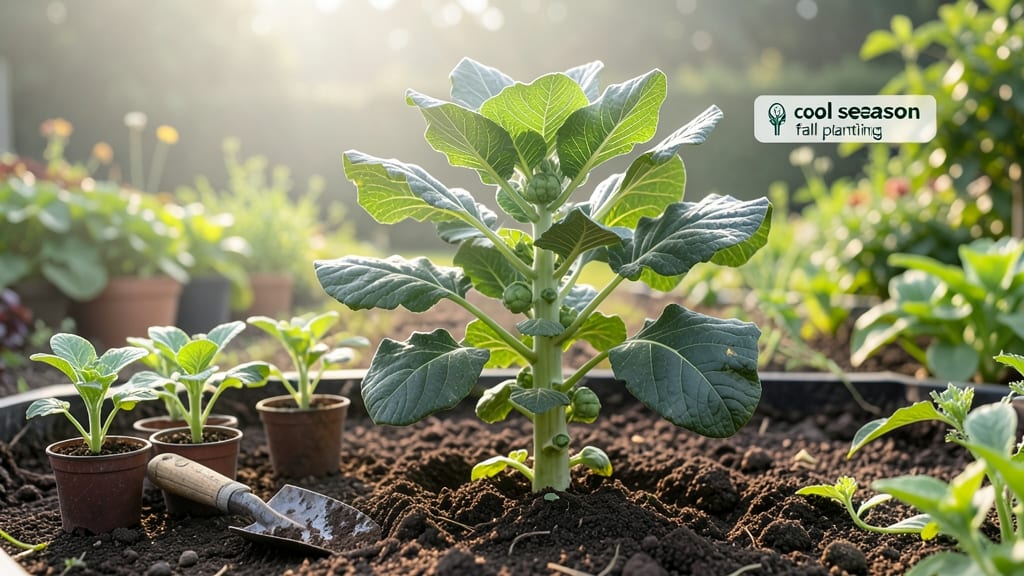
Planting Brussel sprouts 🥦 in Arkansas at the wrong time can turn your garden into a bitter disappointment—those tiny green gems need just the right balance of cool weather and patience to shine.
The key to sweet, tender sprouts lies in understanding your local frost dates and soil conditions, which can make all the difference between a harvest you’ll brag about and one that’s better left to the compost pile.
In Arkansas’ 7a-8b zones, timing isn’t just about months—it’s about avoiding the pitfalls of summer heat or early frosts that can ruin your crop.
Whether you’re a seasoned gardener or just starting, getting the planting window right means the difference between a 90-day harvest of delicious sprouts and a sad, woody disappointment. Let’s break down exactly when to plant for the best results in your backyard.
You might think spring is the only time to plant, but fall offers a second chance for a late-season harvest that many gardeners overlook. The secret? Starting seeds early enough so they mature before the first frost hits around November 15.
I’ll show you how to align your planting schedule with Arkansas’ climate to maximize your yield and avoid common mistakes that trip up even experienced growers.
Ready to grow Brussel sprouts 🥦 that taste as good as they look? The right timing isn’t just about luck—it’s about strategy. Stick with me, and I’ll walk you through the exact steps to plant for a harvest that’ll have your neighbors asking for recipes. Let’s get those sprouts growing!
Best planting windows for brussel sprouts in Arkansas (by month)
Arkansas gardeners know brussel sprouts 🥦 love the state’s cool autumns and mild winters, but timing is critical. Plant too early in spring, and your sprouts will bolt in summer heat.
Plant too late in fall, and frost will ruin your harvest. The key is 8-10 weeks before the first frost, which in Arkansas typically falls around mid-November.
The best planting windows for Arkansas’ USDA zones 6-8 are late February to early April for spring planting and July to August for fall planting. Spring plantings give you an October-December harvest, while fall plantings yield December-January sprouts that survive light frosts.
Let’s break down the ideal months and strategies to avoid common pitfalls.
For spring plantings, sow seeds 4-6 weeks before your last frost date (typically mid-March in Arkansas). Use row covers if nighttime temps drop below 50°F to protect young seedlings. My favorite varieties for spring include ‘Long Island Improved’ and ‘Jade Cross’, which handle Arkansas’ humidity well.
When it comes to fall plantings, July is ideal because it gives plants enough time to mature before first frost. If you miss July, early August is your second chance—but avoid planting after mid-August unless you’re using fast-maturing varieties like ‘Ruby Ball’.
These sprouts thrive in cool nights and develop their signature sweetness when exposed to light frosts.
One common mistake Arkansas gardeners make is planting too late in fall. If you sow seeds after early September, your plants may not mature before frost, leaving you with small, bitter sprouts.
To extend your season, consider staggered plantings—sow a few seeds every 2 weeks in July and August for a continuous harvest through winter.
Another pro tip: Direct-sow seeds rather than transplanting seedlings. Brussel sprouts have delicate root systems that don’t transplant well, and Arkansas’ clay-heavy soils can stress them further. Plant seeds ½ inch deep and 18-24 inches apart in well-draining soil with a pH of 6.0-7.0.
Amend your soil with compost before planting to improve drainage and fertility.
If you’re growing brussel sprouts in containers, choose large pots (at least 12 inches deep) and plant one per container. Container-grown sprouts need more frequent watering and may require row covers during unexpected cold snaps.
Just remember: containers dry out faster in Arkansas’ hot summers, so mulch heavily to retain moisture.
Finally, don’t forget that Arkansas’ microclimates vary. Northern regions like Bentonville have earlier frosts, while southern areas like Little Rock enjoy longer growing seasons. Adjust your planting dates by 1-2 weeks based on your specific location.
For example, if you’re in USDA Zone 7a, aim for late July plantings instead of early August.
With the right timing and care, your brussel sprouts will reward you with sweet, tender harvests that outshine store-bought any day. Happy planting—and may your garden be full of homegrown goodness this winter! 🌱
How Arkansas’ microclimates affect brussel sprout planting success
Arkansas’ diverse geography creates three distinct microclimates for growing Brussel sprouts, each requiring different planting strategies. Northern Arkansas—like Bentonville—faces harsher winters with earlier frosts, while Southern Arkansas—such as Little Rock—enjoys milder winters and longer growing seasons.
Even Central Arkansas, like Fayetteville, has unique frost patterns that demand precise timing to avoid bitter-tasting sprouts.
The key difference lies in elevation and frost dates. Northern regions often experience first frosts by November 1st, while Southern areas may delay until mid-November. This shift means fall planting windows can vary by 4-6 weeks across the state.
For example, gardeners in Mountain View should plant 6 weeks earlier than those in El Dorado to ensure harvests before hard freezes.
Soil type also plays a critical role. Northern Arkansas often has clay-heavy soils that drain poorly, while Southern regions boast sandy loams ideal for root development. If your soil feels compacted, amend it with compost or peat moss to improve drainage—this is especially critical in low-lying areas prone to waterlogging during Arkansas’ unpredictable spring rains.
| Region | Frost Dates | Best Planting Time | Soil Adjustments | Key Adjustment |
|---|---|---|---|---|
| Northern Arkansas | First frost: Oct 25-Nov 1 | July 15-Aug 15 (fall) or March 15-April 1 (spring) | Add compost to clay soils | Plant earlier for fall harvest |
| Central Arkansas | First frost: Nov 5-Nov 15 | July 30-Aug 25 (fall) or March 1-April 10 (spring) | Test pH 6.0-7.0 | Use row covers for early frosts |
| Southern Arkansas | First frost: Nov 10-Nov 20 | Aug 1-Sept 1 (fall) or March 15-April 15 (spring) | Drainage critical in low areas | Extend season with mulch |
For gardeners in Northern Arkansas, prioritize early fall planting (by July 15) to ensure sprouts mature before November’s hard freezes. If you miss this window, consider spring planting in March—but be prepared for bolting risks if summer heat arrives early.
In Central Arkansas, you have more flexibility, but monitor local frost forecasts closely. Use frost cloth to protect young plants if temperatures dip below 25°F.
Southern Arkansas gardeners can push planting into early September for a winter harvest, thanks to milder temperatures. However, soil drainage becomes critical here—avoid planting in low-lying areas where water pools after heavy rains.
If your garden floods easily, create raised beds or plant on sloped terrain to prevent root rot, which can devastate your crop.
Regardless of your region, always plant 8-10 weeks before the first frost for a successful harvest. Use local frost date maps from the Arkansas Climate Office to fine-tune your schedule. And remember: Brussel sprouts taste sweeter after light frost, so don’t rush to harvest—let nature enhance their flavor! 🥦