
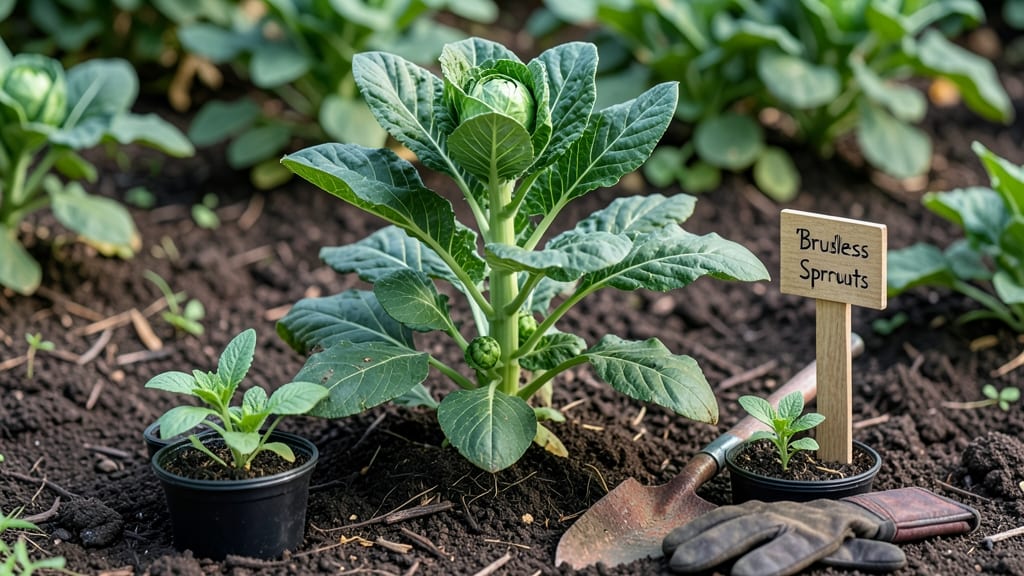
When to Plant Brussel Sprouts in Oklahoma: Frost-Free Deadlines by County Heat Zones

Plants

When to Plant Brussel Sprouts in Oklahoma: Frost-Free Deadlines by County Heat Zones

Planting brussel sprouts in Oklahoma isn't just about tossing seeds into the dirt—it's about catching that narrow window between scorching summers and unpredictable freezes. Miss the March-April planting window, and you risk bolting plants or bitter harvests that fall apart before Thanksgiving.

The key is understanding how Oklahoma's 6b-7a zones create two distinct planting seasons: spring for early harvests and fall for winter storage.

I've grown 🥦 brussel sprouts here for years, and the difference between a thriving crop and a failed experiment often comes down to timing. Too early, and your seedlings will fry in May's heat.

Too late, and your fall plants won't mature before frost. The solution? A 6-8 week head start indoors for spring plantings or direct sowing in August for fall harvests that last through December.

What makes Oklahoma unique is how our counties vary—Panhandle growers have 30 days more growing season than those in the southeast. That means your neighbor's perfect timing might leave your plants struggling.

Let me show you exactly how to match your planting schedule to your specific county's frost dates and heat patterns.

You'll also discover the one mistake that ruins 80% of Oklahoma brussel sprout gardens—and how to fix it before your first harvest. From soil prep tricks to companion plants that boost yields, this is your no-fluff guide to turning Oklahoma's climate into your brussel sprout advantage.

🥦 When to Plant Brussel Sprouts Sprouts
Jan ❄️
Feb 🌱
Mar 🥦
Apr 🥦
May 🌱
Jun ☀️
Jul ☀️
Aug ☀️
Sep 🍂
Oct 🍂
Nov 🍂
Dec ❄️
Ideal Time
Also Good

Oklahoma’s best planting zones for brussel sprouts by county heat map

Oklahoma’s 7 USDA heat zones (5A-8A) create dramatic differences in when to plant brussel sprouts. The Panhandle (5A-6A) has earlier frost dates than Southeast Oklahoma (7A-8A), meaning your planting window shifts by weeks depending on location. Understanding your exact zone helps avoid bitter-tasting sprouts or wasted effort.

Brussel sprouts need 80-100 frost-free days to mature. In Zone 5A (Panhandle), you’ll plant 6-8 weeks earlier than in Zone 8A (Southeast). Missing this window means either stunted growth from summer heat or frost damage before harvest. Let’s break down your county’s ideal planting dates.

Use the USDA Plant Hardiness Zone Map to find your exact zone. Enter your ZIP code on the [USDA website](https://planthardiness.ars.usda.gov/)—this gives precise frost dates for your county.

For example, Harper County (5A) has a last frost date of March 15, while Choctaw County (8A) sees its last frost around March 25. These differences matter for fall harvest timing.

USDA Zone County Examples Last Frost Date Spring Planting Window Fall Planting Window Key Notes
5A Harper, Woods, Beaver March 15 March 1–15 July 20–August 5 Earliest zone; risk of late frosts
6A Cimarron, Roger Mills, Major March 20 March 10–25 July 25–August 10 Longer growing season; ideal for early varieties
6B Grady, McClain, Cleveland March 25 March 15–April 5 August 1–15 Central OK; balance of heat and cool seasons
7A Oklahoma, Pottawatomie, Lincoln April 1 March 20–April 10 August 5–20 Later frost dates; extend fall harvest
7B Tulsa, Creek, Mayes April 5 March 25–April 15 August 10–25 Northeast OK; longer growing season
8A Choctaw, Pushmataha, Latimer

Step-by-step planting timeline: when to start seeds indoors vs. direct sowing outdoors

Brussel sprouts in Oklahoma demand precise timing—plant too early, and they’ll bolt in summer heat; too late, and frost ruins your harvest. The key is balancing indoor seed starts with direct outdoor sowing to match Oklahoma’s 60-90 day growing season.

For most varieties, aim to transplant seedlings outdoors 8-10 weeks before your first frost date (typically mid-November in most counties).

Oklahoma’s USDA Zones 6b-7a mean your frost dates vary slightly by region, but the general rule holds: spring planting should happen in March-April, while fall planting (for winter harvests) lands in late July-August.

Early varieties like ‘Long Island Improved’ tolerate cooler temps, while late varieties like ‘Jade Cross’ need more time to mature before frost.

🌱 Brussel Sprout Planting Timeline for Oklahoma
1
Indoor Seed Starting (Early Varieties)

Start seeds 8-10 weeks before last frost (typically February 15-March 1). Use seed trays with heat mats (70-75°F soil temp) for faster germination. Transplant seedlings outdoors after soil reaches 45°F and night temps stay above 50°F.

2
Direct Outdoor Sowing (Spring)

Sow seeds directly outdoors 4-6 weeks before last frost (typically March 15-April 15). Space seeds 1 inch apart in rows 2 feet apart. Thin seedlings to 18-24 inches apart when they reach 4 inches tall. Use row covers if night temps drop below 40°F.

3
Fall Planting for Winter Harvest

For late-season harvests, sow seeds 8-10 weeks before first frost (typically July 15-August 15). Choose cold-hardy varieties like ‘Ruby Ball’ or ‘Tasty Purple’. Mulch heavily with straw or leaves to protect roots from winter freezes. Harvest before hard frosts hit (usually November 15).

4
Succession Planting Tips

Extend your harvest by sowing new seeds every 2 weeks from March to August. This ensures a continuous supply of fresh sprouts. In Oklahoma’s heat, use shade cloth (30-50%) to prevent bolting. For late summer, opt for bolting-resistant varieties like ‘Coronet’. Always harden off seedlings for 7-10 days before transplanting.

Pro tip: Oklahoma’s unpredictable spring weather can throw off your timeline. Monitor your local Almanac frost dates and adjust by 1-2 weeks if your area runs cooler (e.g., Mountain counties) or warmer (e.g., Panhandle).

For example, in Zone 7a, you might start seeds a week earlier than Zone 6b to account for later frosts.

If you’re using container gardening, choose dwarf varieties like ‘Catbird’ and start seeds indoors 2 weeks earlier than the timeline above. Containers dry out faster, so water daily and use self-watering trays to maintain moisture.

Remember, brussel sprouts need deep roots—containers should be at least 12 inches deep to support mature plants.

Finally, don’t overlook soil preparation. Amend your garden beds with compost and aged manure 2-3 weeks before planting to ensure well-draining, nutrient-rich soil. Brussel sprouts thrive in slightly acidic soil (pH 6.0-7.0), so test your soil and adjust with lime or sulfur if needed.

A little extra effort here pays off with healthier plants and sweeter sprouts.

★★★★★4.6(13 reviews)
Categories Plants