
Plants
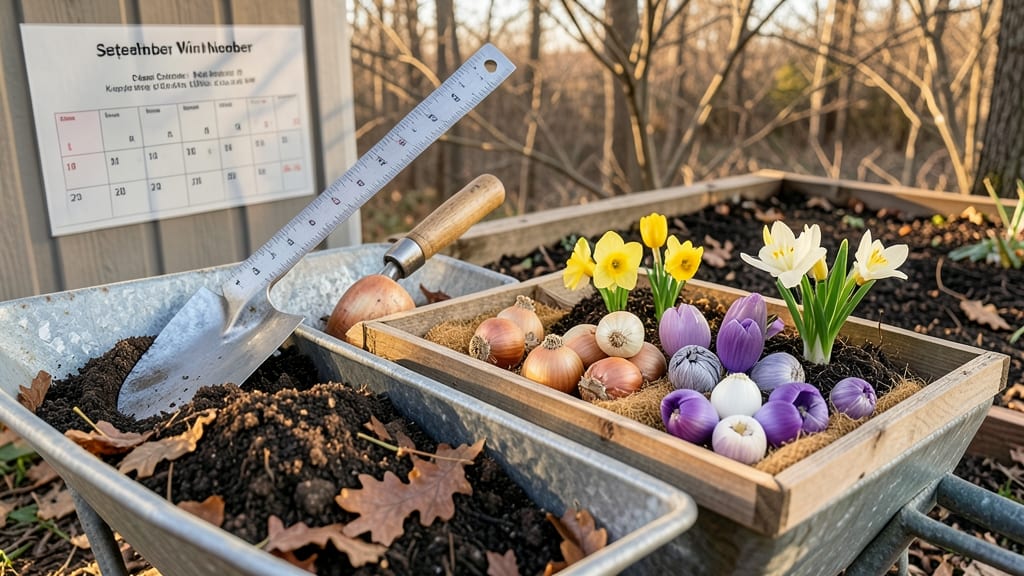
Timing your bulbs (general) 🌱 planting in Kentucky isn't just about the calendar—it's about dodging frost surprises that can turn your spring garden dreams into a sad, brown mess.
The 6a-7a zone means you've got just a narrow window between October and November to get those dormant bulbs in the ground before winter sets in.
Here's the kicker: plant too early, and your bulbs might rot in warm soil; too late, and they won't establish roots before the ground freezes. I've seen firsthand how a two-week difference can mean the difference between a showstopping display of tulips and daffodils or a disappointing patch of dirt.
Let me show you exactly how to nail that perfect timing for Kentucky's unpredictable climate.
You'll discover which bulbs (general) 🌱 varieties thrive best in our region, from hardy daffodils that laugh at frost to delicate tulips that need extra care.
We'll also tackle soil prep secrets that make all the difference in Kentucky's heavy clay soils—because even the best-placed bulbs can fail if the conditions aren't right.
Whether you're a seasoned gardener or just starting your Kentucky garden journey, this guide will give you the confidence to plant with precision.
By the end, you'll know not just when to plant, but how to set your bulbs up for success so they'll reward you with vibrant blooms come spring—no matter what Mother Nature throws your way.
Kentucky’s ideal fall bulb planting calendar by hardiness Zone
Kentucky gardeners know timing is everything—especially when planting fall bulbs like tulips and daffodils. With USDA Zones 6a-7a and frost dates ranging from October 15 to November 15, the window for success is narrow.
Plant too early, and bulbs may rot; too late, and they won’t establish roots before winter. The key? Start when soil temps drop to 60°F or below and aim for 6-8 weeks before frost.
Before diving into the calendar, prioritize soil prep. Amend heavy Kentucky clay with compost or sand to improve drainage, and test your soil’s pH—most bulbs thrive in neutral to slightly acidic soil (6.0-7.0).
Avoid fresh manure, which can burn tender roots. Mulch after planting to insulate bulbs from temperature swings and protect against early frosts.
Here’s your month-by-month planting guide tailored to Kentucky’s variable frost dates. Use this as your roadmap to ensure vibrant spring blooms next year.
| Month | Zone 6a (Northern KY) | Zone 7a (Southern KY) | Soil Temp Threshold | Key Tasks |
|---|---|---|---|---|
| Late August | Prepare beds | Prepare beds | 65-70°F | Amend soil, remove weeds |
| Early September | Early planting (hardy bulbs) | Early planting (hardy bulbs) | 60-65°F | Crocuses, snowdrops, alliums |
| Mid-September | Main planting window | Main planting window | 55-60°F | Tulips, daffodils, hyacinths |
| Late September | Final planting (Zone 6a) | Extend to early Oct | 50-55°F | Late tulips, lilies |
| October | None (frost risk) | Late additions (Zone 7a) | 45-50°F | Mulch heavily |
| November | Post-planting care | Post-planting care | Below 40°F | Water if dry, monitor frost |
For Zone 6a gardeners in northern Kentucky (e.g., Louisville, Lexington), aim to finish planting by mid-October. The earlier frost dates here demand urgency—prioritize hardy bulbs like daffodils and alliums, which tolerate colder soils.
In Zone 7a (Bowling Green, Paducah), you have a bit more flexibility, with safe planting extending into early November.
Pro tip: Use a soil thermometer to confirm temps before planting. Bulbs need 4-6 weeks of root growth before winter sets in. If your soil stays warm past October 15, hold off until temps drop naturally. Late-planted bulbs are more vulnerable to rot and may not bloom as vigorously.
Don’t overlook mulching—this is non-negotiable in Kentucky’s clay-heavy soils. Apply 3-4 inches of straw or shredded leaves after planting to insulate bulbs. In Zone 6a, add an extra layer if winter brings sub-zero temps. Mulch also suppresses weeds, reducing competition for nutrients next spring.
Watering is critical in the weeks after planting. Keep soil moist but not soggy—bulbs need consistent moisture to establish roots. Aim for 1 inch of water per week, delivered in the morning to prevent fungal issues.
Once frost arrives, reduce watering, but don’t let the soil dry out completely until the ground freezes.
If you’re planting late-season bulbs like tulips or hyacinths in early November, choose varieties labeled "late-blooming" or "long-stemmed". These types handle cooler soils better and often produce larger, showier flowers the following spring.
For Zone 7a, consider spring-planting bulbs like caladiums or gladiolus if fall planting slips your mind.
Mark your calendar for March-April when it’s time to remove old mulch and watch for sprouts. This is your reward for perfect fall timing—bursts of color that brighten Kentucky gardens from early spring
Best bulb varieties for Kentucky’s climate and when to plant them
Kentucky’s USDA Zones 6a-7a offer the perfect balance for hardy spring bulbs that thrive with minimal fuss.
The key is choosing varieties that handle our variable frost dates and clay-heavy soils while delivering show-stopping blooms. Daffodils and alliums top the list for their resilience, while tulips and hyacinths reward gardeners with vibrant color—if planted at the right time.
Timing is everything in Kentucky. Plant too early, and bulbs may rot in warm soil; too late, and they’ll struggle to establish roots before winter. Most bulbs need 6-8 weeks of cool soil before the ground freezes.
For northern Kentucky (Zone 6a), aim for mid-October planting, while southern Kentucky (Zone 7a) gardeners can extend the window until early November.
Daffodils are my top recommendation for Kentucky gardens. They’re deer-resistant, handle our clay soils beautifully, and bloom early—often pushing through late winter snow for a cheerful surprise. Plant daffodil bulbs in October for April-May blooms, and choose varieties like 'Tête-à-Tête' (dwarf) or 'Ice Follies' (classic yellow).
For deer-prone areas, alliums are a game-changer.
Their spherical purple blooms deter deer while adding height and texture to spring borders. 'Globemaster' and 'Purple Sensation' thrive in Kentucky’s climate and can be planted as late as early November in Zone 7a. They also naturalize well, meaning they’ll multiply and spread over time.
Tulips are a close third but require more care in Kentucky’s climate. Early varieties like 'Darwin Hybrid' (e.g., 'Apeldoorn') handle our humid springs better than late bloomers. Plant them in October for May blooms, but be prepared to replace bulbs every 2-3 years—they don’t naturalize like daffodils. Hyacinths, while fragrant, need well-draining soil and may struggle in Kentucky’s heavier clay unless amended with compost.
Don’t overlook crocuses for early spring color.
These tiny bulbs can be planted as early as September (they’re cold-hardy) and will bloom under snow in some years. 'Snow Bunting' and 'Tommy' are reliable choices that thrive in partial shade, making them perfect for woodland gardens or under deciduous trees.
Pro tip: For extended blooms, layer bulbs by planting crocuses in September, daffodils in October, and tulips in late October. This creates a sequential spring display from March through May.
Always plant bulbs 3x deeper than their height and mulch heavily after planting to protect them from freeze-thaw cycles.