
Plants
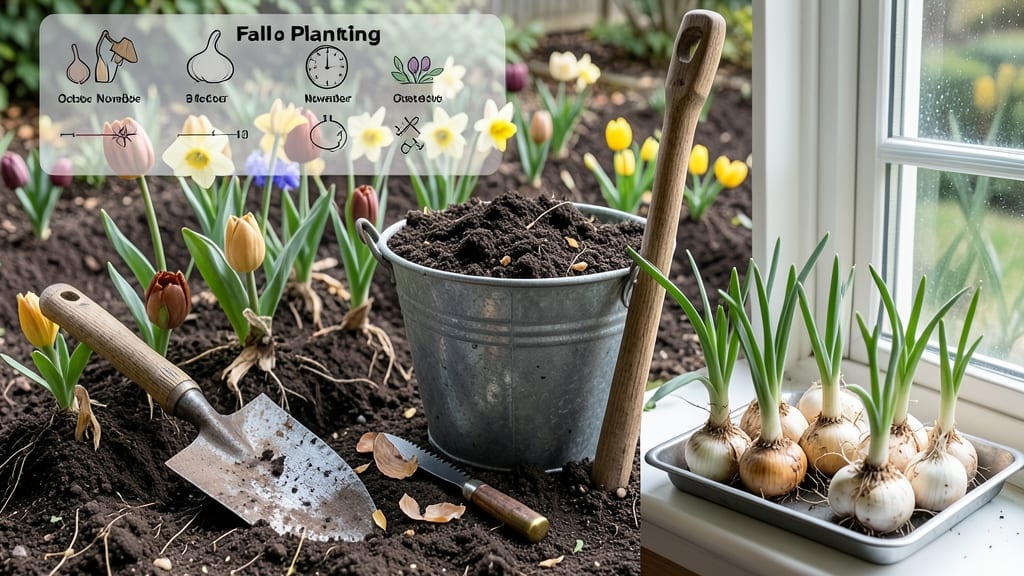
Timing is everything when it comes to planting bulbs in Oklahoma, and getting it wrong could mean waiting another year for those vibrant spring blooms. The key isn't just about the calendar—it's about understanding your local chill-hour zone and how early frosts might shift your planting window.
Most gardeners in Oklahoma plant bulbs in fall, but the exact month depends on where you live. Whether you're in the cooler northern zones or the milder southern regions, knowing when to tuck those 🌱 bulbs into the ground ensures they’ll survive winter and burst into color come spring.
I’ve tested different varieties and planting schedules, and what I’ve learned could save you from wasted effort.
From tulips that need 1,000 chill hours to daffodils that thrive with fewer, I’ll break down the best times to plant for your specific area—plus how to adjust if an early freeze sneaks in.
Ready to transform your garden? Let’s dive into the exact steps to plant bulbs in Oklahoma so you can enjoy a showstopping display year after year.
Best planting months for Oklahoma bulbs by chill-hour Zone
Oklahoma’s three chill-hour zones (7a, 7b, 8a) create unique planting challenges for bulbs. Understanding these zones helps you avoid summer heat stress while ensuring reliable spring blooms. In colder Zone 7a, you have more time, while Zone 8a demands earlier planting to prevent dormancy issues.
Most spring-blooming bulbs (like tulips and daffodils) need 6-12 weeks of chill hours (below 45°F) to flower. Planting too late risks premature sprouting in warm winters, while early planting in Zone 8a can cause rot. Let’s break down the ideal windows for each zone.
In Zone 7a, where winters are colder, you can plant tulips and alliums as late as mid-November without risk. However, Zone 8a gardeners must plant alliums by late August to meet chill requirements. Daffodils are the most forgiving, thriving even in Zone 8a if planted by October.
Microclimates play a huge role in Oklahoma. North-facing slopes stay cooler longer, extending your planting window by 2-3 weeks. Conversely, south-facing areas can experience early soil warming, so plant crocuses there by mid-October to avoid sprouting before winter.
For reliable blooms, aim to plant when soil temps hit 60°F and
How to Calculate your Oklahoma chill-hours and adjust planting dates
Oklahoma’s chill-hour requirements vary dramatically across regions, from 1,500 hours in northern zones to just 800 hours in southern areas. Without knowing your exact chill-hour total, you risk planting bulbs too early or late, leading to weak blooms or no flowers at all.
The key is understanding how to measure these hours and adjust planting dates accordingly.
Most gardeners rely on USDA chill-hour maps, but Oklahoma’s microclimates mean your backyard might differ from the official zone. For example, a Zone 7b garden in Tulsa could have 200+ more chill-hours than one in Lawton.
To avoid guesswork, I’ll show you two reliable methods: using NOAA data or a simple thermometer tracking system.
- 1 Find your base chill-hours: Check the NOAA Climate Data for your nearest weather station (e.g., Oklahoma City has ~1,200 hours). Adjust ±200 hours if you’re in a valley (colder) or hillside (warmer).
- 2 Track daily averages: Use a maximum-minimum thermometer to record temps below 45°F. Log hours when temps are 32–45°F (1 hour per degree below 45°F). Example: 38°F = 7 chill-hours.
- 3 Calculate your total: Sum chill-hours from November 1 until the last 32°F freeze. Subtract 10–15% for safety—Oklahoma’s late winters often bring unexpected warmth.
- 4 Adjust planting dates: Plant tulips (1,200+ hours) 6–8 weeks before your chill-hour total is reached. For daffodils (800–1,000 hours), wait until December in southern OK.
- 5 Layer bulbs for extended blooms: Plant tulips first (deepest), then daffodils (middle), and crocuses (shallowest). This creates a 3–4 week bloom spread as chill-hours accumulate.
Once you’ve calculated your chill-hours, use this rule of thumb: plant bulbs when soil temps drop to 60°F and 6–8 weeks before your chill-hour threshold. For example, if your garden hits 1,000 chill-hours on February 15, plant daffodils by December 1 and tulips by October 15.
Pro tip: Southern Oklahoma gardeners (Zone 8a) should prioritize low-chill bulbs like Narcissus ‘Tête-à-Tête’ (500 hours) or Allium ‘Purple Sensation’ (600 hours). These thrive even with fewer than 800 chill-hours, while hyacinths (1,500+ hours) may fail without winter protection.
Don’t let Oklahoma’s unpredictable winters fool you—with precise chill-hour tracking, you can guarantee blooms year after year, even if the weather swings wildly. Start your records now, and next fall, you’ll plant with confidence! 🌱