
Plants
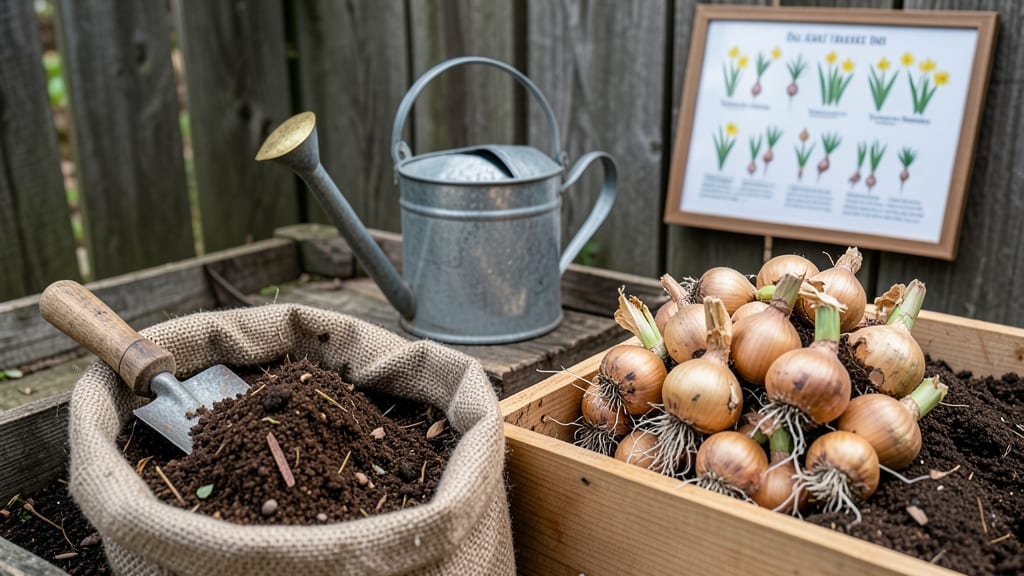
Planting daffodils in Tennessee isn’t just about grabbing bulbs and digging holes—it’s about timing them perfectly to beat the first frost while giving those 🌼 roots enough chill time to bloom boldly next spring.
Most Tennessee gardeners in zones 6a-7b should plant their daffodils between mid-October and November, but getting it wrong can mean weak blooms or wasted bulbs. The key? Understanding your local frost dates and how many chill hours your daffodils truly need to thrive.
I’ve learned the hard way that planting too early risks frost damage, while waiting too late cuts those cheerful spring blooms short.
Let me walk you through the exact window for your region, plus pro tips to set your daffodils up for success—so you can enjoy those bright yellow blooms come March.
From soil prep to post-planting care, we’ll cover everything you need to know to make this fall’s planting pay off with vibrant, healthy daffodils next year. Ready to get started?
Tennessee planting zones & daffodil chill-hour requirements by region
Tennessee spans USDA Hardiness Zones 5b through 8a, creating a unique challenge for daffodil growers. These chill-hour-dependent bulbs need 300-900 hours below 45°F to bloom reliably, with requirements varying dramatically across the state.
In cooler Zone 5b areas like the Appalachian Plateau, daffodils need 900+ chill hours, while Zone 8a regions in West Tennessee may only get 300-500 hours, limiting your choices to low-chill varieties.
Understanding your local frost dates is critical—most Tennessee gardeners experience their first frost between mid-October and early November, while the last frost typically occurs in mid-April. Planting too early in warmer zones risks premature sprouting, while delaying in colder areas may leave bulbs vulnerable to winter desiccation.
The sweet spot? 6-8 weeks before ground freeze, which translates to late September through November depending on your location.
| Zone | Avg. Chill Hours | Ideal Planting Window | Frost Risk Notes | Recommended Varieties |
|---|---|---|---|---|
| 5b (East TN) | 900+ hours | Late Sept - Early Nov | High frost risk; mulch heavily | Ice Follies, Thalia |
| 6a (Middle TN) | 600-800 hours | Mid-Oct - Late Nov | Moderate frost; protect early bloomers | Tête-à-Tête, Carlton |
| 7a (West TN) | 400-600 hours | Late Oct - Early Dec | Low frost risk; plant later | Minerva, February Gold |
| 8a (Shelbyville) | 300-500 hours | Nov - Early Dec | Minimal frost; use low-chill bulbs | Salome, Cheerfulness |
For gardeners in Zone 5b (think Johnson City or Knoxville), focus on high-chill varieties like 'Ice Follies' or 'Thalia' that thrive with 900+ chill hours. Plant these late September through early November to ensure bulbs establish roots before winter.
In contrast, Zone 8a gardeners in Memphis or Nashville outskirts should opt for low-chill daffodils like 'Salome' and plant November through early December to avoid premature sprouting.
Tennessee's Appalachian Mountains create microclimates where Zone 5b conditions can exist just miles from Zone 7a valleys. If you're in a higher elevation garden, consider mulching with straw (4-6 inches) to insulate bulbs from winter temperature swings.
This extra protection lets you plant 2-3 weeks earlier than flatland gardeners without risking frost damage.
One common mistake Tennessee gardeners make is planting daffodils too shallow—especially in clay-heavy soils common across the state. Aim for 6-8 inches deep to protect bulbs from freeze-thaw cycles.
In Zone 6a and below, add a 2-inch layer of sand below planting depth to improve drainage and prevent bulb rot during our wet winters.
Did you know? Daffodil foliage needs 6-8 weeks of photosynthesis after blooming to store energy for next year's flowers. In Tennessee's long growing season, this means don't cut back leaves until they turn completely brown—even in Zone 8a where spring arrives early.
This simple step can double your bloom count in subsequent years.
For late-blooming varieties like 'February Gold', consider winter mulching in Zone 6a and below. Apply 3-4 inches of shredded leaves after ground freeze, then remove in late winter to prevent heat buildup that could trigger
Step-by-Step planting timeline: when to plant bulbs in Tennessee’s spring vs. fall
Timing your daffodil planting is the secret to vibrant spring blooms in Tennessee. The fall planting window (6-8 weeks before first frost) ensures bulbs establish roots before winter, while spring planting (4-6 weeks before last frost) works for late bloomers. Let’s break down the exact steps for your region’s climate.
Tennessee’s USDA zones 6a-7b mean frost dates vary—mid-October for first frost in most areas and mid-April for last frost. Use these dates as your planting anchors. For early bloomers (like ‘Tête-à-Tête’), aim for October 1-15, while late bloomers (like ‘Ice Follies’) can go until November 1-15.
⚠️ STEP LIST: Tennessee Daffodil Planting Timeline
-
Step 1: Test Soil & Prep
Check soil temp (60°F ideal). Amend with compost for clay-heavy Tennessee soil. -
Step 2: Choose Bulbs
Pick early bloomers (Oct 1-15) or late bloomers (Nov 1-15) based on frost dates. -
Step 3: Plant Depth
Dig holes 6-8 inches deep (2x bulb height) with 3-6 inches spacing. -
Step 4: Water & Mulch
Water deeply after planting. Add 2-3 inches mulch to insulate bulbs. -
Step 5: Spring Care
Wait until foliage yellows (6-8 weeks post-bloom) to cut back.
Spring planting is riskier but works for late bloomers or missed fall opportunities. Plant 4-6 weeks before last frost (late March in most of TN). Use black plastic mulch to warm soil faster in cooler zones like East Tennessee.
Avoid planting after April 15—bulbs need time to root before summer heat.
Pro tip: Mark your planting dates on a calendar with your local frost-free days. For example, in Nashville (Zone 7a), aim for October 15-November 1, while Memphis (Zone 7b) can extend to November 15.
Adjust for elevations over 2,000 feet—plant 2 weeks earlier to avoid late frosts.
After planting, resist the urge to fertilize until spring. Daffodils store energy in their bulbs over winter. In March, apply a light 5-10-10 fertilizer when shoots emerge. Water deeply once a week until blooms fade—this ensures next year’s flowers.
Your daffodils will reward you with bold spring color if you nail these steps. Start with fall planting for the best results, and don’t forget to mulch—it’s your best defense against Tennessee’s unpredictable winters. Happy planting! 🌼