
Plants
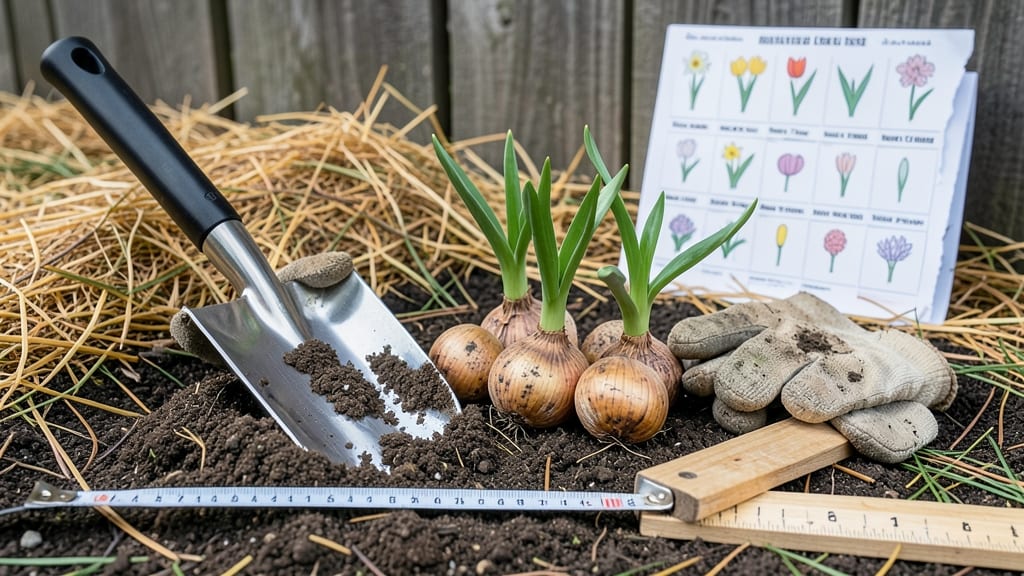
Planting your 🌷 Spring Flowering Bulbs in South Carolina at the wrong time could mean skipping next year’s vibrant blooms entirely—but getting the timing right isn’t just about seasons. The key lies in understanding your local frost dates, soil conditions, and even whether you’re in the Piedmont or coastal zone.
Most gardeners know fall is prime time for bulbs, but did you realize that planting 6-8 weeks before the ground freezes (usually by late November) makes all the difference?
Skip this window, and you risk bulbs rotting or blooms arriving too late. Yet spring planting can work for certain varieties—if you play it smart.
I’ll break down exactly when to plant in USDA zones 7b-8b, which bulbs thrive in South Carolina’s climate, and how to prep your soil for zero-frost success.
Whether you’re a first-timer or a seasoned gardener, these insights will help you avoid common pitfalls and enjoy April-June blooms like never before.
Ready to transform your garden? Let’s dive into the best planting strategies tailored for your region—so you can skip the guesswork and start blooming with confidence.
Best fall planting times for South Carolina bulbs (and why it matters)
Timing your bulb planting in South Carolina isn’t just about picking a season—it’s about beating the first frost while letting the soil cool enough for dormancy. In SC’s USDA Zones 7b-8b, fall planting windows vary by region, with Upstate areas needing earlier action than coastal zones.
The goal? Plant bulbs 6-8 weeks before the ground freezes—typically between mid-September and mid-November—to give roots time to establish before winter. Miss this window, and you risk bulbs rotting or failing to bloom.
Why does this matter? Bulbs like tulips, daffodils, and crocuses need cold stratification—a period of chilly soil—to trigger spring blooms. Plant too early, and they’ll sprout prematurely, only to die back in frost.
Plant too late, and they won’t root deeply enough to survive winter. The soil temperature is your best guide: aim for 60°F or below when planting, with nighttime temps dropping into the 40s-50s.
Here’s the critical detail: Coastal SC (e.g., Charleston) has a longer growing season and later frosts, so you can plant bulbs until mid-November. But in the Upstate (e.g., Greenville), frost can hit as early as late October, shrinking your window to September-October.
Check your local frost dates—the SC State Climatology Office provides updated maps to avoid guesswork.
| Region | USDA Zone | Ideal Planting Window | Soil Temp Threshold | First Frost Risk |
|---|---|---|---|---|
| Coastal (Charleston, Hilton Head) | 8a-8b | Mid-Sept to mid-Nov | Below 60°F | Late Nov–Dec |
| Piedmont (Columbia, Rock Hill) | 7b-8a | Early Sept to early Nov | Below 60°F | Mid-Oct–Nov |
| Upstate (Greenville, Asheville) | 7a-7b | Late Aug to late Oct | Below 60°F | Late Sept–Oct |
| 🌱 Pro Tip: Test soil temps with a soil thermometer—plant when temps hit 60°F for 3+ days. | ||||
Preparing bulbs for winter dormancy starts with soil prep. Amend your garden beds with compost or aged manure to improve drainage—bulbs rot in soggy soil.
Aim for well-draining soil with a pH of 6.0-7.0, and plant bulbs at a depth of 2-3 times their height (e.g., a 2-inch tulip bulb goes 4-6 inches deep). Add a 2-inch layer of mulch after planting to insulate roots and retain moisture without smothering them.
Don’t overlook bulb selection for SC’s climate. Daffodils and alliums are top performers—they thrive in heat and humidity, while tulips may need extra care in coastal areas. For Upstate gardens, hyacinths and crocuses handle colder winters better. Always choose disease-resistant varieties labeled for your zone to avoid spring disappointments.
One common mistake? Planting bulbs in containers too late in the season. If you’re using pots, move them to a garage or sheltered porch once temps drop below 40°F to protect them from frost.
For ground planting, avoid working wet soil—wait for a dry day to dig and plant. If rain is forecast, cover newly planted bulbs with a lightweight row cover until the soil settles.
After planting, water deeply to encourage root growth, but reduce watering as winter approaches. Bulbs store energy in their roots, so overwatering in late fall can lead to rot. Instead, let nature take its course—natural rainfall is usually enough once the ground freezes.
In drought-prone Upstate areas, a light watering every 2-3 weeks during winter can help, but avoid soaking the soil.
Here’s how
Spring planting for South Carolina: late bloomers and risky options
If you missed the fall planting window for bulbs in South Carolina, don’t panic—spring planting can still work for certain varieties. While most spring-blooming bulbs prefer fall planting, dahlias, gladiolas, and cannas thrive when planted in early spring.
These tropical or tender bulbs avoid winter dormancy, making them perfect for a second-chance garden.
However, timing is critical. Planting too early risks late spring frosts, while waiting too long may delay blooms. The last frost date in South Carolina typically falls between mid-March and early April, depending on your region.
Use the SC Last Frost Date Map from Clemson Extension to pinpoint your area’s safe planting window.
Planting bulbs in spring skips winter hardening, leaving them vulnerable to early frosts or poor root establishment. Dahlias and gladiolas are exceptions but still need warm soil (60°F+) to thrive. Avoid planting tulips or daffodils in spring—they won’t bloom reliably.
Before planting, prep your soil by amending it with compost or aged manure to improve drainage. Bulbs like dahlias need well-draining soil to prevent rot, while gladiolas tolerate slightly drier conditions. Work in a balanced fertilizer (10-10-10) at planting to give roots a nutrient boost.
Hardening off your bulbs is key if you’re planting tender varieties like cannas. Soak bulbs in lukewarm water for 24 hours before planting to encourage root growth. Then, plant them 2-3 inches deep in loose soil, spacing them 12-18 inches apart for optimal airflow and growth.
Water deeply after planting to settle the soil, then maintain consistent moisture until shoots emerge. Avoid overhead watering to prevent fungal diseases. Once foliage appears, reduce watering slightly to encourage stronger bulb development. Mulch around the base with straw or pine needles to retain moisture and suppress weeds.
Expect blooms 8-12 weeks after planting, but monitor weather forecasts. If a late frost warning appears, cover young plants with frost cloth or row covers. With proper care, your spring-planted bulbs can deliver vibrant summer color—just don’t expect the same longevity as fall-planted varieties.