
Plants
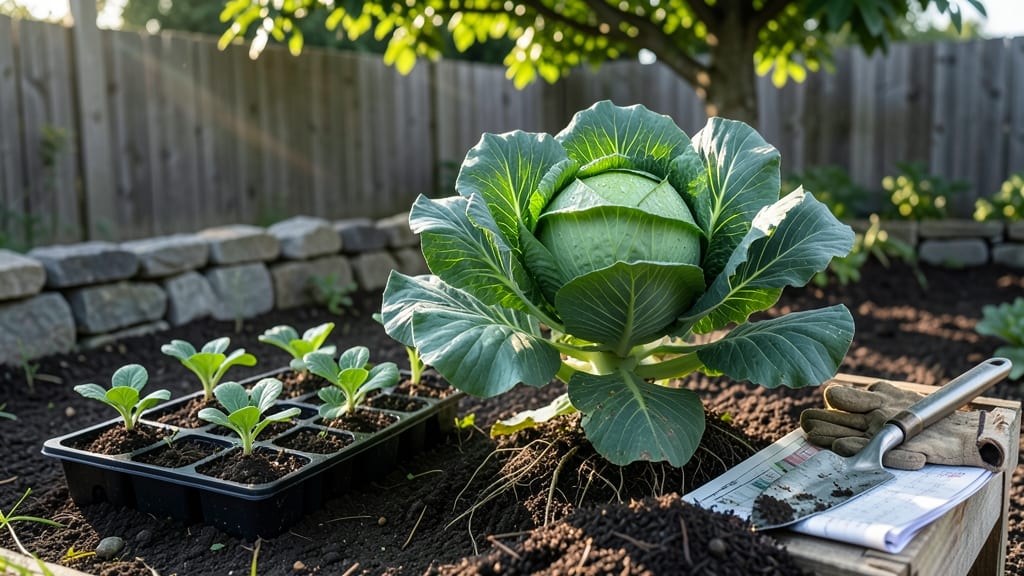
Planting cabbage in Illinois isn’t just about tossing seeds into the dirt—it’s about mastering the timing game to avoid bitter, bolting heads or stunted growth.
Whether you're in Zone 5b or 6a, getting the schedule wrong can mean the difference between a crisp, 🥬-packed harvest and a sad, wilted disappointment.
Most gardeners in Illinois make one of two mistakes: planting too early and risking frost damage, or waiting too long and ending up with heat-stressed plants that bolt before they even form a head. The key? Understanding your last frost date—usually around April 15—and working backward from there.
In this guide, I’ll break down the exact spring and fall planting windows for your zone, plus pro tips to adjust for Illinois’ unpredictable weather. You’ll learn how to prep your soil, space your plants for maximum yield, and even troubleshoot common pitfalls like uneven germination or pest pressure.
Ready to grow cabbage that’s sweeter, firmer, and ready to harvest at the perfect moment? Let’s get started with the foolproof timeline that’ll make your garden the envy of the neighborhood.
Illinois cabbage planting calendar by hardiness Zone (5-7) for zero-bolt success
Timing your cabbage planting in Illinois is the secret to avoiding bolting—that bitter, premature flowering that ruins your harvest. Since Illinois spans USDA zones 5-7, your last frost dates vary dramatically.
In Zone 5, you might see frost as late as April 15, while Zone 7 gardeners can plant weeks earlier. The key is planting 4-6 weeks before your last frost for spring crops or 100-120 days before your first frost for fall harvests.
Cabbage thrives in cool weather and struggles when temperatures climb above 75°F. That’s why Illinois gardeners often plant two crops per year: one in early spring (March-April) and another in late summer (July-August).
Each zone has its own frost-free window, so let’s break it down to avoid common mistakes like overheating seedlings or missed harvests.
| Zone | Last Frost Date | Spring Planting Window | Fall Planting Window | Harvest Window |
|---|---|---|---|---|
| Zone 5 | April 15 | March 15 - April 1 | July 15 - August 15 | June-August & Oct-Nov |
| Zone 6 | April 1 | March 1 - March 15 | July 1 - August 10 | May-July & Sept-Oct |
| Zone 7 | March 15 | February 15 - March 1 | June 15 - July 31 | April-June & Aug-Sept |
For Zone 5 gardeners, start your spring cabbage indoors in mid-February to transplant outdoors by March 15. If you’re planting directly in the garden, wait until mid-March when soil temperatures hit 45°F.
In Zone 7, you can push it earlier—direct-sow as soon as February 15—but use row covers to protect tender seedlings from late frosts.
Your fall crop is just as critical. Plant late summer seedlings (July-August) so they mature before first frost. In Zone 5, aim for July 15 to harvest by October. Zone 7 gardeners can extend this to August 15 for a November harvest.
Use fast-maturing varieties like ‘Early Jersey Wakefield’ (60 days) to maximize your window.
Bolting is your biggest enemy, and heat stress triggers it. If your seedlings emerge during a heatwave, shade them with floating row covers or lightweight fabric. Mulch with straw or grass clippings to keep roots cool.
In Zone 6, where last frosts can be unpredictable, wait until after April 1 to plant—earlier sowings risk freeze damage.
Don’t overlook soil preparation. Cabbage loves rich, well-draining soil with a pH of 6.5-7.0. Work in 2-3 inches of compost before planting, and space seedlings 18-24 inches apart to prevent disease.
In Zone 7, where summers are hotter, choose shade-tolerant varieties like ‘Red Express’ or ‘Golden Acre’ to avoid bolting.
Pro tip: Mark your planting dates on a garden calendar and adjust based on weather forecasts. If a late frost is predicted, delay planting by a week. For fall crops, count backward from your first frost date—cabbage needs 75-100 days to mature.
In Zone 5, that means July 15 is your cutoff for a pre-frost harvest.
Finally, watch for harvest signs. Ready cabbages have firm heads and tightly wrapped leaves. If you see yellowing outer leaves or a loose head, it’s past its prime.
In Zone 6, your spring harvest peaks in June-July, while fall crops ripen in September-October. Plan ahead to enjoy fresh cabbage year-round!
How to adjust cabbage planting for Illinois’ unpredictable weather patterns
Illinois’ weather can throw a curveball at even the most experienced gardeners. Late frosts in spring and heatwaves in summer can devastate cabbage plants if you’re not prepared. The key is adapting your planting strategy to protect both seedlings and mature plants from extreme conditions.
I’ve learned the hard way that cabbage isn’t just about timing—it’s about resilience.
For example, a 30°F night in April can kill tender seedlings, while a 90°F heatwave in July can cause bolting. Both scenarios ruin your harvest. The solution?
Layered protection strategies that shield your plants without stifling their growth. Let’s break down how to safeguard your cabbage through Illinois’ most unpredictable seasons.
🚨 Critical Warning: Illinois’ Frost Timing is Unreliable
Zone 5: Last frost can hit April 20-30—wait until May 1 for safety. Zone 6: Last frost averages April 10-20, but late frosts occur until May 10. Zone 7: Plant no earlier than March 20 for spring crops.
Use frost cloth for 2-3 weeks after transplanting to extend your window. Without protection, seedlings will wilt overnight.
Start with row covers or frost blankets for spring plantings. These lightweight fabrics raise soil temperatures by 5-8°F and shield seedlings from light frosts.
I recommend using floating row covers (like Reemay) supported by hoops—this creates a microclimate that buys you 2-3 extra weeks of growing time before removing them.
When summer heat arrives, shade cloth becomes your best friend. Cabbage plants bolt when stressed by consistent 85°F+ temperatures. A 30-50% shade cloth reduces soil temperature by 10-15°F and prevents premature flowering. Install it when daytime highs exceed 80°F and remove it in the afternoon to maintain airflow.
Watering is another critical adjustment. Illinois summers bring drought conditions, and cabbage roots are shallow. Mulch with 2-3 inches of straw to retain moisture and prevent soil crusting.
I water deeply in the early morning (before 8 AM) to avoid fungal diseases like downy mildew, which thrives in damp foliage. A drip irrigation system delivers consistent moisture without wetting leaves.
For late summer/fall plantings, focus on soil moisture and nutrient balance. Add compost or aged manure before planting to improve water retention. In Zone 5, aim for a July 15-August 1 planting window—this gives heads time to mature before first frost (typically October 10-20).
Use slow-release fertilizer like 10-20-20 to avoid overstimulating growth in short daylight.
Finally, monitor your plants daily for stress signs. Yellowing leaves indicate overwatering or nutrient deficiency, while loose heads signal drought or heat stress. Adjust your approach immediately—cabbage is forgiving if you act fast. With these strategies, you’ll turn Illinois’ unpredictability into reliable harvests all season long. 🥬