
Plants
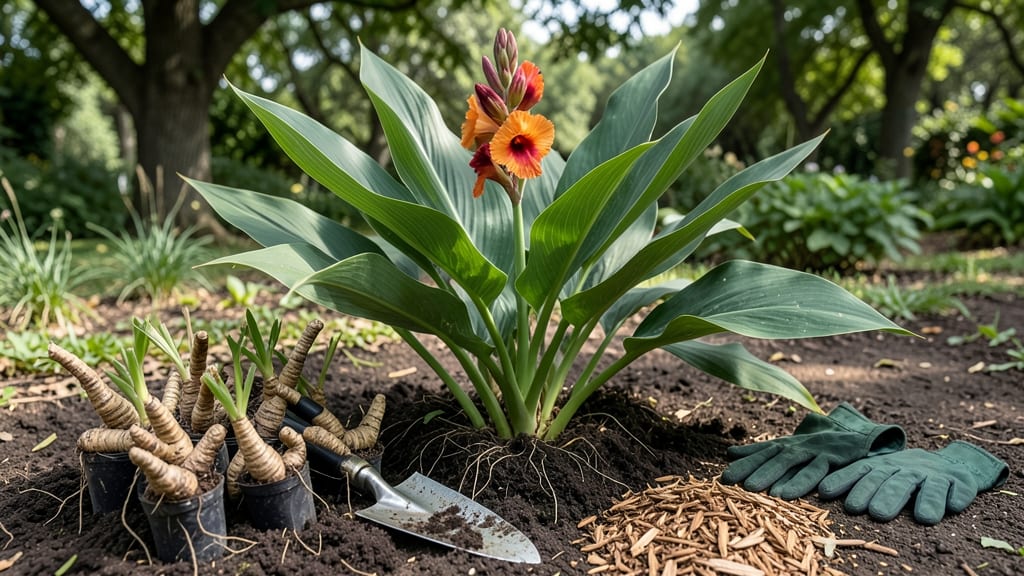
Planting cannas in Kansas might seem tricky—after all, these tropical-looking 🌺 cannas need just the right timing to survive your state’s unpredictable swings from frost to scorching heat.
The key to thriving blooms lies in knowing exactly when to get those rhizomes in the ground, so they establish strong roots before summer’s peak arrives.
Most Kansas gardeners wait until late April to mid-May, right after the last frost date, to plant cannas.
But here’s the catch: if you’re in USDA Zone 6 (like much of eastern Kansas), you’ll need to act even faster to give your cannas a fighting chance against early fall freezes. The good news?
With the right prep, these bold beauties can return year after year—no digging and storing required.
In this guide, I’ll break down the exact planting windows for your specific Kansas region, share soil prep secrets to boost survival, and reveal the top 3 cold-hardy canna varieties that handle your climate like pros.
Whether you’re a first-time planter or a seasoned gardener, these tips will help you grow cannas that outlast the heat—and maybe even the frost.
Ready to turn your garden into a vibrant canna oasis? Let’s dive into the timing, care, and varieties that’ll make your plants the talk of the neighborhood—without the worry of winter wipeouts.
Kansas heat zones explained: best planting windows by region
Kansas spans USDA Hardiness Zones 6-7, where cannas thrive in summer but need precise timing to survive winter. The key? Planting after your last frost date—typically mid-April to early May—while giving rhizomes time to establish before first frost in October.
In Zone 6 (northern KS), aim for late May planting to avoid early freezes, while Zone 7 (southern KS) allows April planting with more flexibility.
Cannas are not winter-hardy in Kansas—they’re tender perennials that die back to rhizomes. To ensure zero-frost survival, plant rhizomes 2-4 weeks before your last frost date when soil reaches 60°F+.
This gives roots time to anchor before summer heat arrives. Miss the window, and you risk stunted growth or frost damage.
Here’s your region-specific planting timeline for Kansas, including critical deadlines to protect your cannas from winter kill:
| Kansas Region | USDA Zone | Last Frost Date | Ideal Planting Window | First Frost Alert | Winter Prep Deadline |
|---|---|---|---|---|---|
| Northern KS (Wichita, Salina) | Zone 6b | April 20–May 5 | Late May (after May 10) | October 10–15 | October 1 (dig rhizomes) |
| Central KS (Manhattan, Topeka) | Zone 6a/7a | April 15–May 1 | Early May (after April 25) | October 1–10 | September 25 (mulch + cut back) |
| Southern KS (Wichita Mountains, Tulsa) | Zone 7a | April 1–April 15 | April 15–May 1 | October 15–20 | October 10 (dig rhizomes) |
In Zone 6, cannas planted after May 10 risk stunted growth due to shorter summers. Meanwhile, Zone 7 gardeners can push planting to April 15 for earlier blooms. Use a soil thermometer to confirm 60°F+ soil—cold soil delays root growth and increases frost vulnerability.
Pro tip: Start rhizomes indoors 4–6 weeks before your last frost date. Place them in pots with well-draining soil and keep them in a sunny window (or under grow lights).
This jumpstarts growth so they’re ready to transplant as soon as the ground warms. Transplant shock is less likely with pre-sprouted rhizomes.
For container gardening, follow the same deadlines but use larger pots (12"+ diameter) to accommodate rhizome growth.
Move containers to a protected location (like a garage or shed) before first frost—cannas in pots freeze faster than in-ground plants. Insulate pots with bubble wrap or straw to extend their season by 2–4 weeks.
If you’re in Zone 6 and worry about early freezes, opt for earlier-blooming varieties like ‘Pactolus’ or ‘Durban’, which mature faster. In Zone 7, you can experiment with later-blooming types like ‘Cleopatra’ or ‘Australia’ for extended color.
Always check the back of seed packets for days-to-maturity estimates.
Remember: Cannas need 6+ hours of sun daily, so choose a south-facing spot with well-draining soil. Amend heavy clay soil with compost or sand to prevent root rot—a common issue in Kansas’ humid summers. Mulch with straw or shredded leaves to retain moisture and regulate soil temperature.
By following these
How to extend cannas’ lifespan in Kansas: pre-winter care tips
As Kansas winters approach, your cannas need extra care to survive the freeze-thaw cycles that can damage their rhizomes. Starting in late September, focus on hardening off your plants and preparing them for dormancy.
This process helps them withstand temperatures below 20°F, which is common in USDA Zone 6-7 areas.
First, stop fertilizing your cannas by mid-August to encourage natural foliage decline. Reduce watering gradually to bi-weekly by October, allowing the plants to slow their growth. This gradual adjustment prevents shock and prepares them for winter dormancy.
⚠️ Critical Warning: Don’t Cut Back Too Early!
Cutting back canna foliage before the first frost (usually mid-October in Kansas) removes essential nutrients stored in the leaves. These nutrients feed the rhizomes during dormancy. Wait until the foliage turns brown and crispy—typically by late October or early November—before pruning.
Once the foliage dies back naturally, use clean pruners to cut the stems down to 2-3 inches above the soil. This prevents disease spread and makes it easier to cover the rhizomes with mulch. Avoid leaving stubble, as it can harbor pests over winter.
Apply a 4-6 inch layer of organic mulch, like straw or shredded leaves, around the base of your cannas. This mulch acts as an insulating blanket, protecting rhizomes from temperature swings and soil heaving.
In Zone 6 areas, consider adding a thicker layer (6+ inches) for extra protection.
For added insulation, cover the mulched area with a breathable frost blanket or straw bales once consistent freezing begins (usually November). Secure the cover with bricks or boards to prevent wind damage. Remove the cover in early spring (March) to allow new growth.
Create a simple pre-winter checklist to ensure you don’t miss any steps:
- ✅ Stop fertilizing by mid-August
- ✅ Reduce watering to bi-weekly by October
- ✅ Wait for foliage to naturally brown before pruning
- ✅ Cut stems to 2-3 inches above soil
- ✅ Apply 4-6 inches of mulch
- ✅ Add frost protection by November
With these steps, your cannas will re-emerge stronger next spring, ready to bloom beautifully in your Kansas garden. 🌺