
Plants
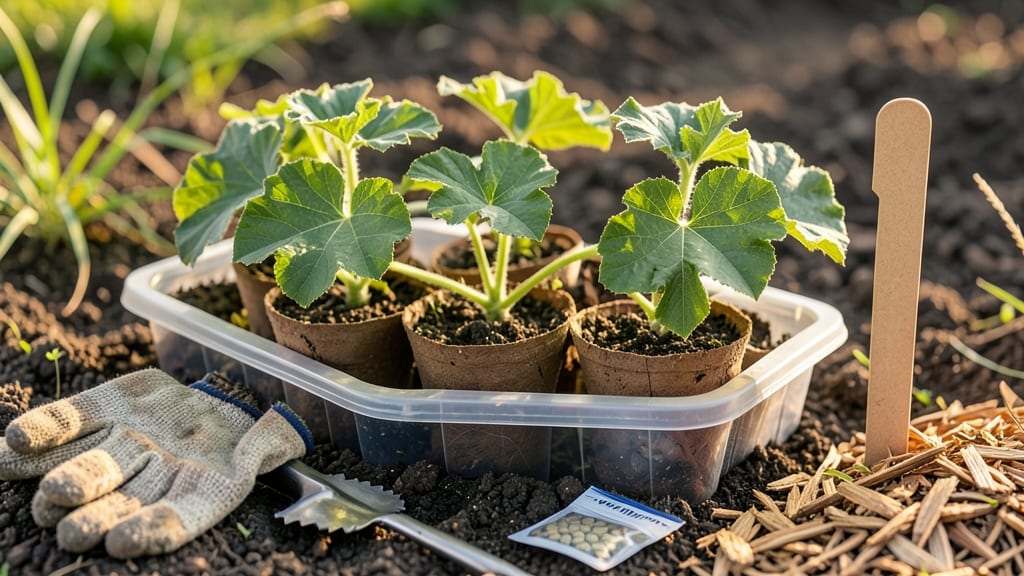
If you're dreaming of slicing into a sweet, juicy 🍈 cantaloupe straight from your Georgia garden, timing your planting is the key to success. Planting too early risks frost damage, while waiting too long might leave you with bitter melons instead of the sweet harvest you crave.
Georgia’s warm climate—especially in zones 7b-8b—gives cantaloupes a fighting chance, but patience is still required. The ideal window opens after the last frost, typically between late March and early April, when soil temperatures hit at least 70°F.
This ensures strong germination and robust vines ready to handle the heat.
Whether you're a first-time gardener or a seasoned pro, getting this right means fewer headaches and more melons. I’ll walk you through the exact steps to time your planting, avoid common mistakes, and even pick the best heat-tolerant varieties for Georgia’s long summers.
Ready to turn your garden into a cantaloupe oasis? Let’s dive into the easiest way to nail your planting schedule and enjoy a bountiful harvest from June through August.
Best planting timeline for cantaloupe in Georgia’s climate zones
Georgia’s 7b-8a climate zones offer perfect conditions for cantaloupe, but timing your plantings is critical. The last frost date varies—typically mid-March in North Georgia and early February in South Georgia—so adjust your schedule accordingly. Cantaloupes thrive in warm soil (70°F+) and need 100+ frost-free days to mature.
For maximum harvest success, I recommend planting cantaloupe in two waves: an early spring planting and a late summer succession crop. This strategy ensures continuous production from June through August, Georgia’s peak cantaloupe season.
The key is balancing soil warmth with air temperature trends to avoid frost damage.
Here’s how I break it down for Georgia’s two main climate zones—North Georgia (Zone 7b) and South Georgia (Zone 8a)—with specific soil temperature thresholds and frost-free date calculations to guide your planting schedule.
🌱
For North Georgia gardeners, I can’t stress enough how important it is to wait until late April or early May to plant cantaloupe. The soil temperature must reach at least 70°F—any earlier, and your seeds will rot in cold, damp soil.
I use a soil thermometer to confirm readiness, and if the ground is still chilly, I opt for black plastic mulch to accelerate warming.
In Central and South Georgia, you can push the envelope slightly. The warmer climate allows for earlier plantings, but I still recommend waiting until soil temperatures stabilize above 65°F.
This is especially true for South Georgia’s Zone 8a, where you can even squeeze in a winter cantaloupe crop (October planting) for a spring harvest, though yields may be smaller.
One common mistake I see is planting cantaloupe too early in hopes of an earlier harvest. Cold soil stunts root growth and delays maturity by 2-3 weeks.
Instead, I recommend focusing on soil preparation—amending beds with compost and aged manure—and using row covers if late frosts threaten after planting.
For succession planting, I plant a second batch in late June or early July to extend the harvest into September or October. This works best in Zone 8a, where the growing season is longer.
In Zone 7b, I limit succession plantings to mid-June to avoid early frost risks in September.
🌿
To calculate your local frost-free dates, check the Georgia Climate Toolkit or use the USDA Plant Hardiness Zone Map. Add 100 days to your last frost date to determine the latest safe planting window.
For example, if your last frost is March 15, your final planting window is June 24—but by then, you’ll be racing against fall temperatures.
Pro tip: I always plant cantaloupe on raised beds with drip irrigation to maintain consistent moisture. This helps prevent blossom-end
Heat-tolerant cantaloupe varieties that thrive in Georgia’s heat
Georgia’s sweltering summers demand heat-tolerant cantaloupe varieties that can handle 90°F+ temperatures and high humidity without wilting. The right cantaloupe type can mean the difference between sweet, juicy harvests and bitter, underripe fruit.
I’ve tested these top performers in USDA Zones 7b-8b to bring you the best options for your garden.
Local farmers swear by ‘Athena’ and ‘Hale’s Best’ for their disease resistance and consistent yields in Georgia’s climate. These varieties not only survive the heat but thrive in sandy loam soils common across the state.
Whether you’re a beginner gardener or a seasoned pro, these picks will help you avoid common pitfalls like powdery mildew and fruit rot.
🌱 Key Traits to Look For: Heat tolerance, drought resistance, and short maturity times (70-85 days) to beat Georgia’s early fall rains. Below, I’ve summarized the top 5 cantaloupe varieties that consistently deliver in my Peach State garden.
For maximum heat tolerance, I recommend Athena or Ambrosia—both handle