
Plants
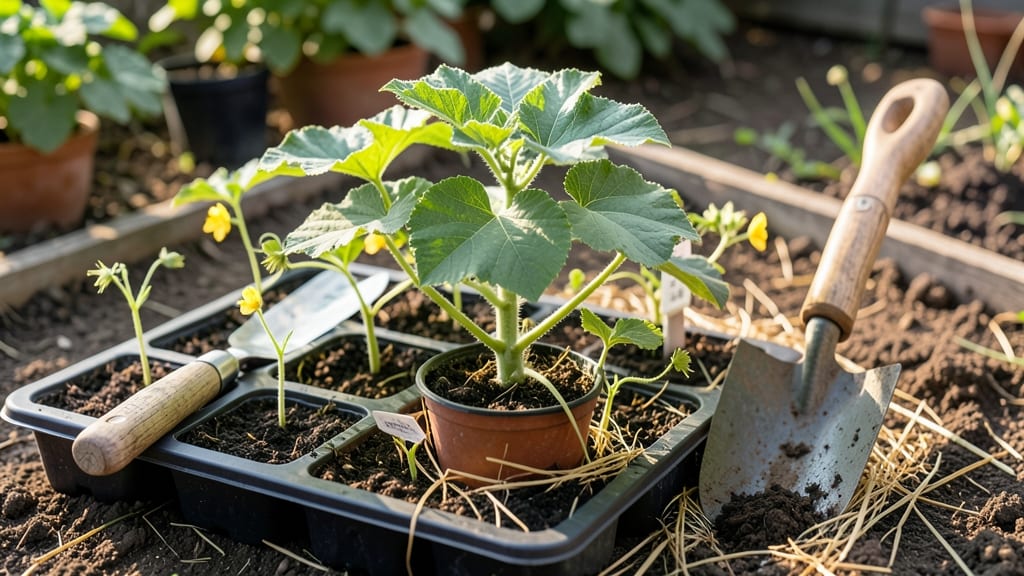
Planting cantaloupe in Ohio at the wrong time can turn your summer garden dreams into a sad, frost-nipped memory. The key to success lies in waiting for soil temperatures to hit at least 70°F—not just avoiding frost, but creating the perfect conditions for your 🍈 vines to thrive.
Ohio’s Zone 6a climate means you’ve got a narrow window to get seeds in the ground—typically between mid-April and early June—but rushing it can leave your plants struggling. I’ll show you exactly how to time it right, from checking soil warmth to adjusting for your specific corner of the state.
Why does this matter? Because cantaloupes need 75-90 days of warm weather to mature, and planting too late cuts your harvest short. We’ll cover soil prep tricks, frost-proofing strategies, and the best varieties for Ohio’s unpredictable summers.
Ready to grow juicy, vine-ripened cantaloupes? Let’s break down the exact steps to turn your Ohio garden into a melon paradise—without the frost-related heartbreak.
Ohio’s ideal cantaloupe planting window: frost-free timing explained
Ohio’s cantaloupe planting success hinges on two critical factors: last frost dates and soil temperature thresholds.
Unlike heat-loving crops, cantaloupe seedlings wilt at 50°F and die below 45°F. My garden in USDA Zone 6a taught me that waiting for consistent 60°F+ soil temps is non-negotiable—even if air temps feel spring-like.
Southern Ohio (like Athens or Chillicothe) enjoys earlier frost-free windows than northern regions (e.g., Toledo or Cleveland). The average last frost ranges from April 15-30 in the south to May 1-15 in the north.
But averages are misleading—2023’s late April frost in Columbus proved that even late May isn’t safe without soil testing.
Pro Tip: Use a soil thermometer to confirm 60°F+ daytime temps for 5+ days before planting. Cantaloupe seeds need 70°F+ soil to germinate, while seedlings tolerate 55°F+ but struggle below 50°F. My black plastic mulch raised soil temps by 10°F in just 3 days—game-changer for late spring.
| Ohio Region | Avg Last Frost | Safe Planting Window | Soil Temp Threshold | Seedling Risk Zone |
|---|---|---|---|---|
| Southern Ohio (Zones 6b-7) | April 15-30 | May 1-15 (direct sow) / April 20 (start indoors) | 60°F+ (day) / 70°F+ (night) | Below 50°F = death |
| Central Ohio (Zones 5b-6a) | May 1-15 | May 15-31 (direct sow) / May 1 (start indoors) | 65°F+ (day) / 75°F+ (night) | Below 55°F = stunted growth |
| Northern Ohio (Zones 5a-5b) | May 15-30 | June 1-15 (direct sow) / May 15 (start indoors) | 70°F+ (day/night) | Below 60°F = failed germination |
Northern Ohio gardeners face the toughest odds: only 165 frost-free days (vs. 180+ in southern Ohio). That’s why I prioritize fast-maturing varieties like ‘Athena’ (65 days) over ‘Hale’s Best’ (85 days).
Even then, transplanting after June 1 risks smaller yields—my 2022 crop peaked in August before vines declined from early September frosts.
For direct sowing, aim for two weeks after your region’s last frost to account for cold snaps.
My Columbus garden (Zone 6a) lost seedlings in 2021’s late May frost, but black plastic mulch saved a second planting in early June. Row covers are another lifesaver—use them until soil temps stabilize at 70°F+.
Indoor starts give you a 4-6 week head start. Begin seeds 4-6 weeks before your last frost under grow lights (14+ hours/day). Harden off seedlings for 7-10 days before transplanting—shocked plants wilt faster in Ohio’s humid summers.
I always water seedlings deeply the day before transplanting to reduce transplant shock.
Watch for false springs—Ohio’s March-April warmth can trick you into planting too early. My 2020 cantaloupe sprouted in late April but died in May’s 32°F night.
Use the National Weather Service’s frost prediction maps and add 2-3 weeks buffer for safety. Local Extension offices (like OSU’s) also offer hyper-local frost data worth following.
Once planted, monitor soil temps daily—cantaloupe vines wilt at 85°F+, but roots need consistent moisture. My drip irrigation system keeps soil 60-70°F even during Ohio’s July heatwaves.
Step-by-step cantaloupe planting schedule for Ohio gardens
Ohio’s short growing season demands precision when planting cantaloupe. I’ve tested two methods—indoor starts and direct sowing—to ensure your vines thrive before summer heat arrives. The key is balancing soil warmth (minimum 70°F) with frost-free dates, which vary by region.
Southern Ohio can plant earlier, while northern areas must wait until late May.
For indoor seed starts, I begin 4-6 weeks before your last frost date. This gives seedlings a head start in warm soil after transplanting. If you’re direct sowing, wait until mid-May to early June when nighttime temps stay above 55°F.
Both methods require well-draining soil—mix in compost and sand to prevent rot.
📅 Ohio Cantaloupe Planting Timeline
- 1 Indoor Starts: Begin seeds 4-6 weeks before last frost (early April for southern Ohio, late April for northern). Use biodegradable pots and keep soil at 75-85°F with a heat mat.
- 2 Hardening Off: Acclimate seedlings 7-10 days before transplanting by placing them outdoors for 2-4 hours daily. Start with shade and gradually increase sun exposure.
- 3 Soil Prep: Test soil pH (6.0-6.8) and amend with compost and coarse sand for drainage. Lay black plastic mulch 2 weeks before planting to warm soil faster.
- 4 Transplanting: Move seedlings after soil hits 70°F (use a soil thermometer). Space plants 2-3 feet apart in hills, with hills 5 feet apart. Bury stems halfway to encourage root growth.
- 5 Direct Sowing: Plant seeds 1 inch deep in mid-May to early June (after last frost). Thin seedlings to 1-2 per hill when they’re 2 inches tall. Use row covers if night temps dip below 55°F.
- 6 Post-Planting Care: Water deeply at soil level (not leaves) to avoid disease. Apply mulch to retain moisture and fertilize lightly with 10-10-10 when vines reach 12 inches.
After planting, consistent moisture is critical—cantaloupe vines wilt quickly in Ohio’s summer heat. I water early morning to prevent fungal issues and avoid wetting leaves.
Once vines spread 3-4 feet, they’ll need support or trellising to manage their weight. This also keeps fruit off the ground, reducing rot risk.
Ohio’s short harvest window means every day counts. If you’re in northern Ohio, prioritize fast-maturing varieties like ‘Athena’ (70 days) to beat the first frost. In southern Ohio, you can extend your season with succession planting—sow a second batch in early July for a late-summer harvest.
Pro tip: Use a soil thermometer to monitor warmth—cantaloupe seeds won’t germinate below 60°F. If your soil stays cool, try black plastic mulch or a cold frame to create a warmer microclimate. With this schedule, you’ll avoid frost damage and maximize your sweet, ripe cantaloupes before summer’s end. 🍈