
Plants
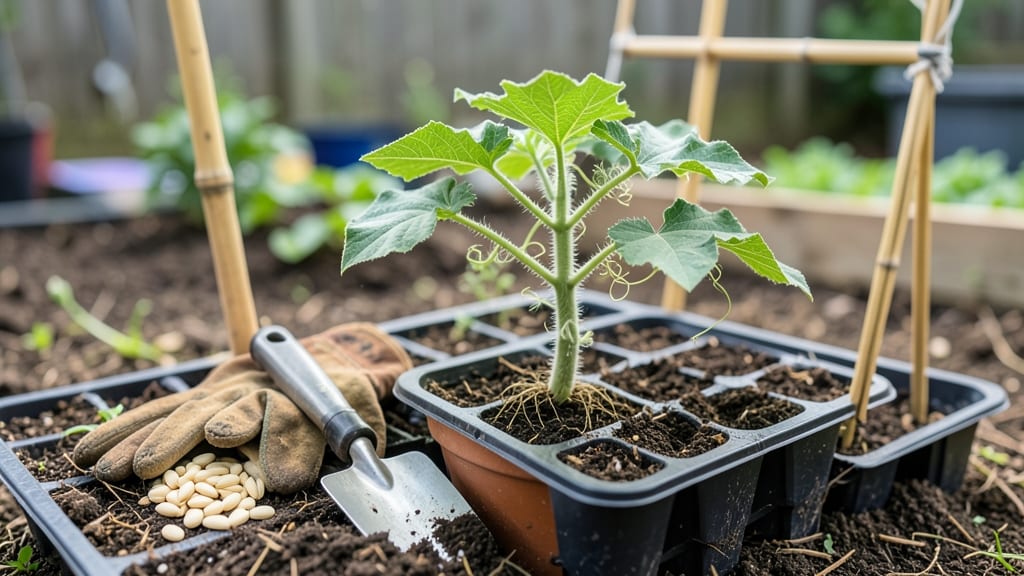
Planting cantaloupe in Zone 8b feels like a high-stakes game of timing—get it wrong, and you might as well toss those seeds into the compost. The key isn’t just the calendar; it’s waiting for that 70°F soil that signals your 🍈 vines can finally take off.
Here’s the catch: rushing too early means soggy seeds and stunted growth, while waiting too long cuts your harvest short. I’ve learned the hard way that Zone 8b’s unpredictable springs demand patience—and a soil thermometer.
Let me show you exactly when to pull the trigger for sweet, reliable yields every season.
Whether you’re aiming for an early harvest or a main-season bounty, the right timing can shave weeks off your wait. We’ll cover frost-free windows, coastal vs. inland quirks, and even how to cheat the system with row covers. Ready to turn your cantaloupe dreams into a reality?
Skip the guesswork and start with the science. By the end, you’ll know not just when to plant, but how to set your cantaloupe up for success—from seed to that first ripe, sun-warmed slice. Let’s get growing.
Zone 8b cantaloupe planting dates based on soil temperature
Cantaloupes are heat-loving plants that demand warm soil to germinate properly. In Zone 8b, where last frost dates average February 15 but soil stays cool, timing your planting based on soil temperature—not just calendar dates—is crucial.
Seeds won’t sprout reliably below 70°F (21°C), so rushing can lead to wasted seeds or stunted plants.
Many gardeners make the mistake of planting cantaloupes too early, assuming the air temperature is warm enough. However, soil warms more slowly than air, especially in clay-heavy or shaded areas.
A soil thermometer is your best tool for accuracy—check temperatures at 4-inch depth in your garden bed, as this is where seeds will germinate.
Here’s the science: cantaloupe seeds need consistent soil temps above 70°F for 7–10 days to germinate. Below 60°F (15°C), germination slows dramatically, and seeds may rot.
In Zone 8b, this typically means waiting until late March to early April for direct sowing, but coastal areas may have earlier windows due to milder microclimates.
To avoid common mistakes, test your soil temperature for 3–5 consecutive days at 70°F+ before planting. Morning is the best time to check, as soil cools overnight.
If your soil is still cold, consider black plastic mulch or row covers to warm it faster—these can raise soil temps by 5–10°F within days.
| Soil Temp (°F) | Planting Window (Zone 8b) | Germination Time | Notes |
|---|---|---|---|
| Below 60°F | Avoid planting | Seeds rot or fail | Risk of fungal diseases |
| 60–68°F | Wait until soil warms | 14–21 days (slow) | Use black mulch to speed warming |
| 70–75°F | Late March–Early April | 7–10 days (optimal) | Best for direct sowing |
| Above 80°F | April–May (successive) | 5–7 days (fast) | Ideal for late-season harvests |
For gardeners in Zone 8b’s inland areas, where nights can still dip below 50°F (10°C) in early spring, start seeds indoors 4–6 weeks before your target outdoor planting date. Use biodegradable pots and transplant seedlings when soil reaches 70°F and nighttime temps stay above 55°F (13°C).
If you’re unsure about your soil’s warming rate, try this trick: lay a dark-colored plastic sheet over a small garden section for 3–5 days before planting. This can raise soil temps by 10°F+, creating a microclimate perfect for cantaloupe seeds.
Remove the plastic once seeds sprout to avoid overheating the young plants.
Remember, cantaloupes need 70–90 days to mature, so aim to plant by early May for a late-summer harvest. In Zone 8b, this means your last planting window is around June 1 for a fall harvest before the first frost (November 15).
Use heat-tolerant varieties like ‘Athena’ or ‘Hale’s Best’ for extended seasons.
One final tip: monitor your garden’s microclimate. South-facing beds warm faster than north-facing ones, and raised beds heat up quicker than in-ground soil. Use these advantages to your benefit by planting cantaloupes in the warmest spots first.
By mastering soil temperature, you’ll transform Zone 8b’s unpredictable springs into a predictable cantaloupe harvest. Start with your soil thermometer, adjust for local conditions, and soon you’ll be enjoying sweet, ripe cantaloupes straight from your garden.
How to extend the cantaloupe season in Zone 8b with smart timing
Zone 8b gardeners know the struggle: late springs and early autumns cut cantaloupe seasons short. But with the right strategies, you can stretch your harvest from June to September—or even later.
The secret lies in successive planting, heat-tolerant varieties, and protective tools like row covers. Let’s break down how to maximize your cantaloupe bounty.
First, focus on two planting windows: an early spring batch for late June harvests and a late summer batch for September-October rewards. Soil temperature is your guide—never plant until it hits 70°F+.
For the late-season push, use black plastic mulch to warm soil faster and row covers to shield young plants from unexpected chills.
📌 Smart Timing Checklist for Zone 8b
- 🌱 Early Spring: Plant heat-tolerant varieties like 'Athena' or 'Hale's Best' in mid-March after soil reaches 70°F. Use row covers for frost protection.
- ☀️ Main Season: Direct-sow 'Ambrosia' or 'Crimson Sweet' in late April to early May for peak summer harvests.
- 🔄 Late Summer: For a fall crop, sow 'Tasty Breeze' (a bush-type variety) in late July with black plastic mulch to extend warmth.
- 🌡️ Soil Prep: Amend beds with compost to improve heat retention. Test soil pH—aim for 6.0-6.8 for optimal growth.
- 🛡️ Protective Gear: Use floating row covers for early/late plantings to shield from 50°F+ night temps.
Don’t overlook heat-tolerant varieties—they’re your best bet for pushing the season. 'Athena' and 'Tasty Breeze' thrive in 90°F+ heat and mature faster, giving you a second chance at harvest.
Pair these with drip irrigation to keep roots cool during heatwaves. Avoid overhead watering, which can spread disease in the humid Zone 8b summers.
For the late-season extension, try successive sowing every 2 weeks from July to August. This ensures a staggered harvest as some vines mature while others are still growing. Black plastic mulch isn’t just for warming soil—it also suppresses weeds and retains moisture.
Remove it once fruits start forming to prevent overheating.
Watch for early signs of stress, like yellowing leaves or blossom drop, which often signal temperature swings.
If nights dip below 55°F, use row covers or shade cloth during the day to protect delicate flowers. Prune suckers aggressively to redirect energy to fruit production, especially in short-season plantings.
Finally, harvest strategically to encourage more production. Pick cantaloupes when the tendril near the stem turns brown—this signals ripeness. Leave a few to mature fully for seeds, but remove overripe fruits to prevent pests.
With these tactics, you’ll turn Zone 8b’s short growing window into a long, sweet harvest. 🍈